This article may contain affiliate links. If you buy through them we may earn a commission at no extra cost to you.
Spread across four seasons, home maintenance costs a typical homeowner $3,000–$6,000 a year on a $300,000 house—but skipping it routinely doubles or triples that figure in emergency repairs. The jobs below are organized by when weather and wear patterns make them most effective, with material costs and notes on what’s worth doing yourself versus hiring out.
Spring Maintenance: Thaw and Renewal
Freeze-thaw cycles crack sealants, loosen gutter fasteners, and stress foundations. Spring is your window to find that damage before the heavy rain season drives water through every gap winter opened up.
Gutters and downspouts
Clear accumulated leaves, twigs, and shingle granules, then check for sagging sections, rust, or holes. Gutters should slope 1/4 inch per 10 feet toward downspouts—any flatter and water pools and overflows. Professional cleaning runs $100–$300 for most homes; full gutter replacement is $600–$2,500 depending on linear footage and whether you choose aluminum, vinyl, or steel.
Roof inspection
From the ground with binoculars, look for missing, cracked, or curled shingles. Then check the attic for water stains or daylight showing through. Spring storms expose leaks that a winter snowpack can mask for months. A professional inspection costs $150–$300 and frequently catches early damage worth ten times that to repair if it’s left another season.
Caulk and sealant
Run your finger along the caulk where windows, doors, and siding meet trim. Gaps that have gone soft or cracked let in both water and pests. Remove the old material completely before applying fresh acrylic latex caulk ($10–$20 per tube). Mild spring temperatures give the caulk time to cure properly before summer heat arrives.
For landscaping tasks that pair well with this structural work, see our Spring Garden Maintenance Checklist.
Summer Maintenance: Heat and Heavy Use
Summer concentrates wear on cooling systems and outdoor surfaces. The priority is keeping equipment efficient and protecting wood and paint before UV and moisture do lasting damage.
Air conditioning servicing
Schedule AC service before peak heat, not during it—technicians book up fast in July and emergency call rates can be 50% higher than a planned visit. A tune-up ($100–$200) covers refrigerant levels, coil cleaning, and filter replacement. A neglected unit works harder, uses more electricity, and tends to fail on the hottest weekend of the year when replacement parts are back-ordered.
Deck and patio care
Power-wash decks, patios, and walkways to remove algae and mold before they work into the surface. On wood decks, probe soft-looking boards with a screwdriver—if it sinks in easily, the board needs replacing, not just staining. Reapply sealant or stain every two to three years; staining a 400-square-foot deck costs $400–$800 hired out, or $80–$150 in materials if you do it yourself.
Exterior paint touch-ups
South-facing walls take the hardest UV punishment. Touch up peeling or faded spots now rather than waiting for a full repaint—exposed wood absorbs moisture within one rainy season and leads to rot that requires more than paint to fix.
Landscape irrigation
Walk each irrigation zone and watch for heads spraying hardscape, kinked drip lines, or fittings with a slow drip. A single leaking 1/2-inch hose fitting can waste 1,000 gallons a month—noticeable on a water bill and damaging to any foundation it runs toward.
Fall Maintenance: Prepare for Winter
Fall is the busiest maintenance season because frozen pipes, ice dams, and heating failures are expensive emergencies that a few hours of October work can prevent entirely.
Furnace and heating inspection
Book furnace service in August or September—HVAC companies fill up fast once nights turn cold. A technician cleans the unit, tests ignition and safety controls, and checks the heat exchanger for cracks that can leak carbon monoxide. Cost: $100–$200. A cracked heat exchanger found in October is a planned repair; the same crack found in January is an emergency.
Chimney cleaning and inspection
A certified chimney sweep removes creosote buildup and checks for cracks, loose mortar, or blockages. Cost: $100–$250. Creosote ignites at around 1,100°F and burns hot enough to damage the flue liner in a single event. If you burn two or more cords of wood a season, annual cleaning is not optional.
Weatherstripping and caulk
Compressed or cracked weatherstripping around exterior doors is the single easiest air-sealing fix in the house. Replacement costs $20–$50 per door and takes under an hour. Stopping air leaks at doors, windows, and where utilities enter the foundation can reduce heating costs by 10–15% in a drafty older home.
Gutter final clear
Clean gutters again after the trees drop fully—not before. Leaves trapped in gutters freeze into solid blocks, back water under the roof edge, and create ice dams that can cause $5,000–$15,000 in interior water damage. This second cleaning is worth the $100–$150 professional fee every time.
Exterior faucet winterization
Shut off water to outdoor faucets at the indoor valve, drain the line, and disconnect hoses. Add insulated faucet covers ($5–$10 each). A burst outdoor line that runs back inside the wall is a plumbing repair, not a faucet repair—costs jump from under $100 to $500–$1,500 depending on where the pipe runs.
Roof and attic venting
Clear leaves from roof valleys and around vents, then go into the attic and confirm soffit vents aren’t blocked by insulation. Blocked ventilation traps heat and moisture, which rots sheathing and creates the warm roof surface that melts snow unevenly and forms ice dams.
A $200 fall furnace inspection prevents a $2,000 emergency repair call on the coldest day of the year.
Winter Maintenance: Monitor and Respond
Outdoor tasks are minimal in winter, but weather events demand prompt attention. The damage from a missed ice dam or a frozen pipe happens fast.
Roof and gutter monitoring
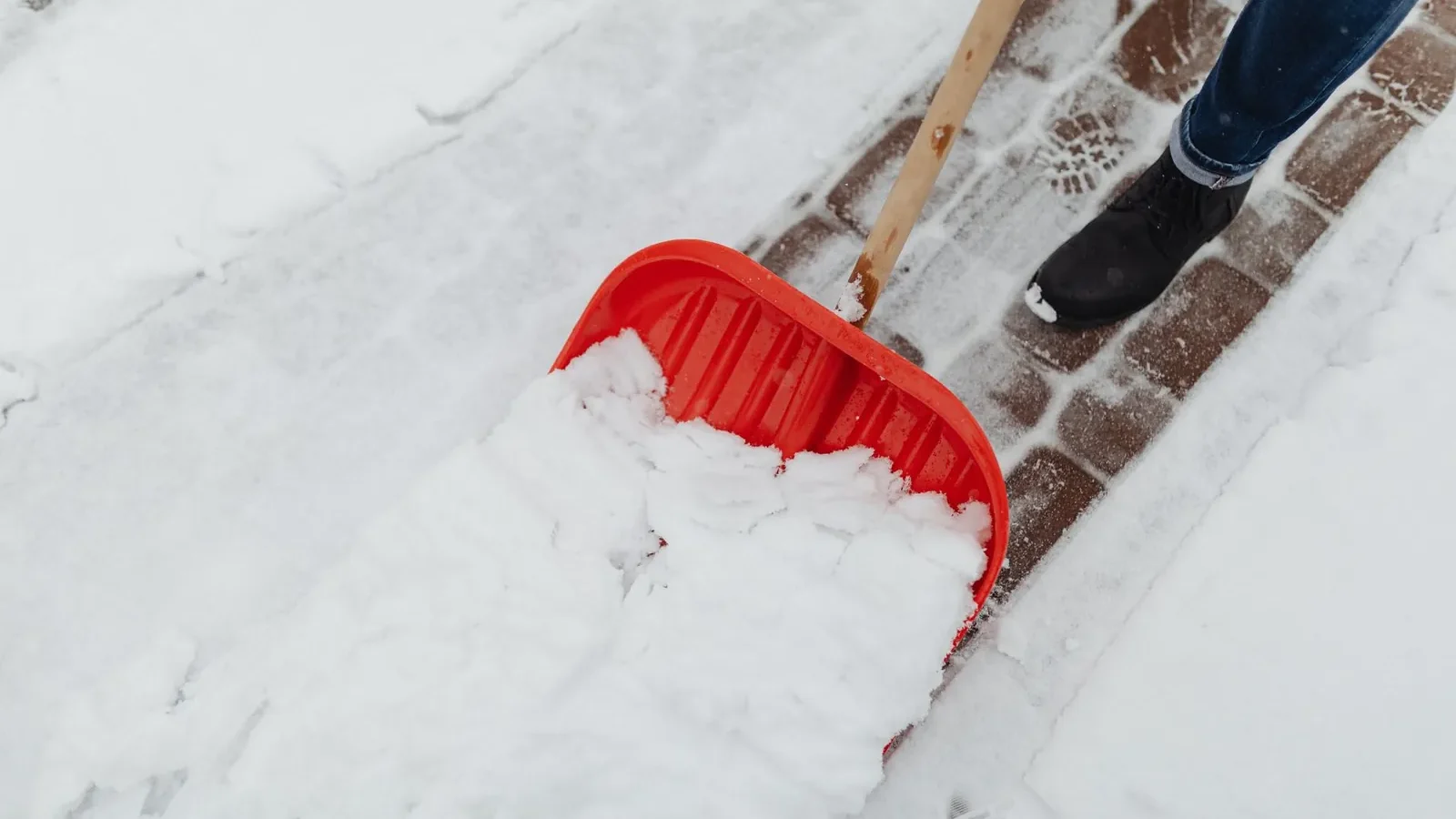
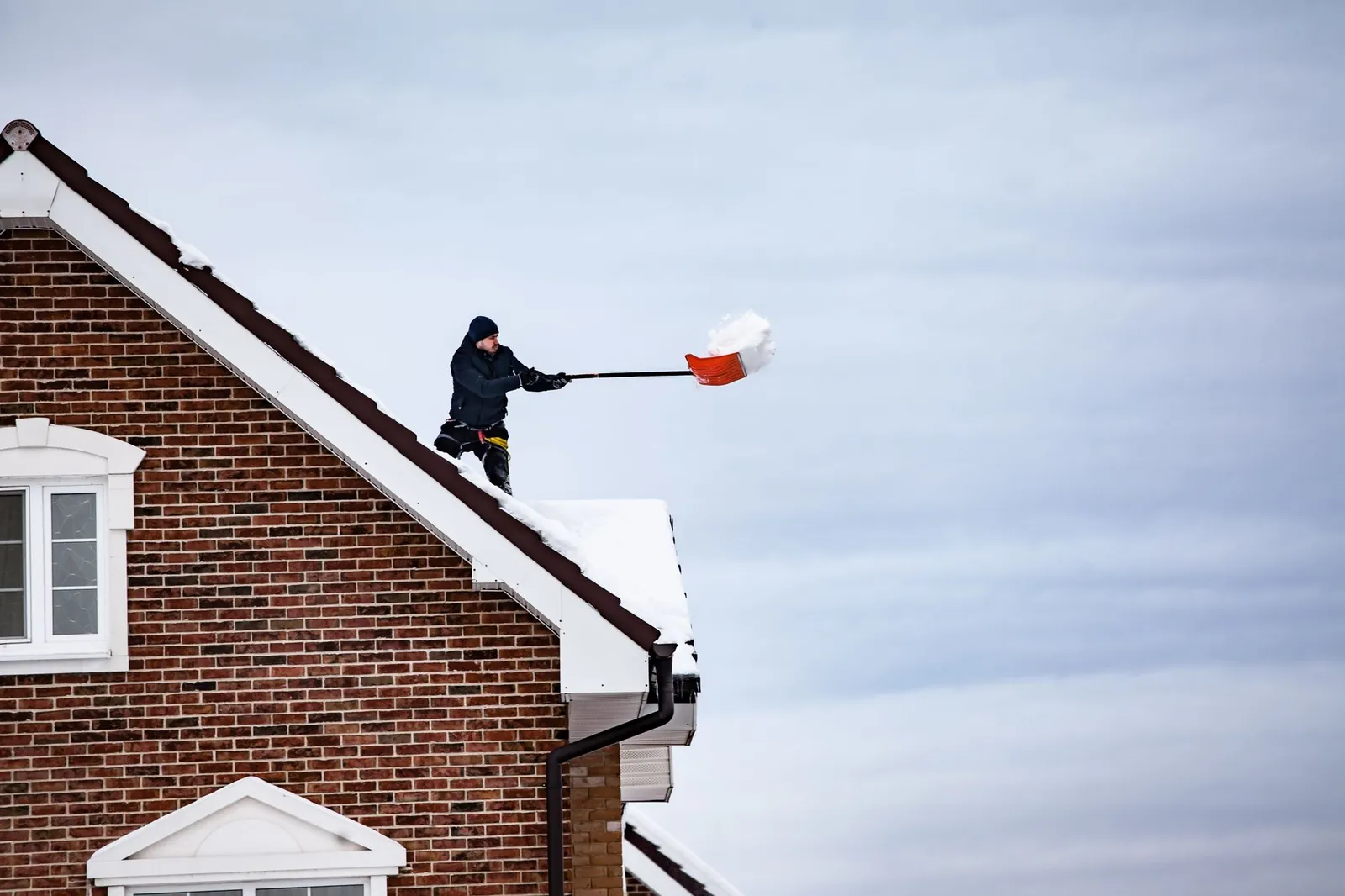
After heavy snow or ice storms, check the roof edge for ice dams—thick ridges of ice that force meltwater back under shingles. If you spot one, use a roof rake to pull snow back from the eaves, or lay calcium chloride ice melt in a tube sock across the dam to open a drainage channel. Avoid rock salt; it corrodes metal gutters and kills plants at the foundation.
Basement and foundation checks
Walk the basement perimeter monthly through winter. New cracks or water seepage at the base of walls often appear during freeze-thaw cycles. Document anything new with a photo and date. Hairline cracks can be sealed with hydraulic cement or concrete caulk ($10–$30); horizontal cracks in block foundations or stair-step cracks in brick warrant a structural engineer’s eye before spring.
Pipe insulation
Foam pipe insulation costs $10–$30 per 6-foot section and wraps in minutes. Prioritize pipes in unheated basements, crawlspaces, and exterior garage walls. A burst pipe releases 100–500 gallons before you find it, and water damage remediation starts around $2,500 for a small area.
Heating system monitoring
Listen for rattling, banging, or short-cycling from the furnace. Uneven heat in rooms that were fine last winter can mean a failing zone valve, a clogged filter, or a blower motor starting to go. Catching these early—before a full breakdown—usually means a $150–$400 repair instead of an emergency replacement.
Year-Round Tasks That Don’t Wait for a Season
Some problems can’t be scheduled. Address these immediately:
- Water leaks: A stained ceiling, dripping faucet, or damp basement corner. Water damage compounds within days; mold follows within 24–48 hours in warm conditions.
- Pest signs: Droppings, gnawed wires, or fresh entry holes. A single mouse pair can become 60 mice in three months.
- Electrical issues: Flickering lights, warm outlets, or breakers that trip repeatedly. Call a licensed electrician—these are fire risks, not inconveniences.
- Gas odors: A sulfur or rotten-egg smell near your furnace or water heater means a potential leak. Leave the house immediately and call your gas company from outside.
- Structural movement: New drywall cracks, sticking doors, or windows that won’t latch can signal foundation settling. Have a structural engineer evaluate anything that appears suddenly or worsens over weeks.
Building Your Maintenance Calendar
I keep a simple spreadsheet with task name, last completed date, and next due date. It takes five minutes to update and has saved me from forgetting the furnace filter three winters running. Phone reminders work just as well: “Schedule furnace service” set for August 1st, “Clean gutters” for mid-April and mid-November.
The log also tells you when sealant or deck stain was last applied, which matters more than any rule of thumb about reapplication intervals—a south-facing deck in a hot climate needs restaining every two years; a shaded northern deck might go four.
| Season | Priority Tasks | Typical Cost Range |
|---|---|---|
| Spring | Gutters, roof inspection, caulk | $260–$620 |
| Summer | AC service, deck care, irrigation | $200–$1,000+ |
| Fall | Furnace, chimney, weatherstripping, gutters, faucets | $350–$800 |
| Winter | Pipe insulation, foundation monitoring, roof checks | $20–$100 DIY |
Frequently asked questions
Can I do all seasonal maintenance myself, or should I hire professionals?
Gutter cleaning, weatherstripping, exterior caulk, and pipe insulation are DIY-friendly if you’re comfortable on a ladder and with basic tools. Furnace servicing, chimney cleaning, roofing, and any electrical work require licensed professionals—not because the tasks are always technically complex, but because errors carry health, fire, or code consequences. Mixing DIY and hired work is the most cost-effective approach for most homeowners.
How much should I budget annually for seasonal home maintenance?
The standard rule of thumb is 1–2% of your home’s value per year. On a $300,000 home that’s $3,000–$6,000, though older homes often run higher and newer homes lower. Budget separately for predictable annual costs (furnace service, gutter cleaning) and keep a repair reserve for unexpected work. Consistent preventive maintenance reduces the emergency portion significantly over time.
What’s the most important seasonal task I shouldn’t skip?
Fall furnace servicing. A broken furnace in January is an emergency with inflated repair costs, potential health risks from improvised heating, and parts that may be back-ordered for days. Spring gutter cleaning is a close second—clogged gutters cause water damage that spreads into fascia, soffits, and interior walls faster than most homeowners expect.
Should I hire the same contractor each year, or get quotes from multiple companies?
A contractor who knows your home’s history is worth keeping for routine annual work—they’ll notice when something has changed. That said, review pricing every two to three years to confirm you’re not drifting above market rate. For major one-time work like a roof replacement or HVAC system, always get at least two to three quotes. Ask existing contractors if they discount bundled spring and fall visits.
What if I miss a seasonal maintenance window?
Do it late rather than skip it. Spring gutter cleaning missed in April is still worth doing in June. Fall furnace service that slipped to December is still better than January. The one exception is hard winterization—if temperatures in your area are already dropping below freezing at night, don’t wait another week to drain outdoor faucets or insulate exposed pipes. That specific window closes fast.

Rob is a former carpenter who now explains home repairs so you only have to do them once.