This article may contain affiliate links. If you buy through them we may earn a commission at no extra cost to you.
The most useful new gardening tools in 2026 fall into four categories: smart watering, ergonomic hand tools, soil testing, and battery-powered equipment. I’ve tested enough of these to know which ones earn permanent shed space and which ones don’t survive a single season.
Smart Watering Systems
Automated watering has moved well beyond expensive in-ground irrigation. Smart hose-end controllers—like the Raindrip WiFi timer and Eve Aqua—cost $40–$150 and connect to your phone. You set schedules, adjust flow based on local rainfall data, and get alerts if something clogs. For most suburban gardens, that’s all the automation you need.
Soil moisture sensors
Wireless sensors like the Parrot Flower Power and Eve Room sit in your pots or beds and push real-time moisture readings to an app. At $30–$60 each, they’re most valuable for container gardens, where soil dries unevenly and overwatering is the most common way to kill plants. Battery life typically runs 12–18 months. In-ground use is less reliable—air pockets and compaction can throw off readings.
Drip irrigation upgrades
Modular drip kits from Netafim and Raindrip now come in DIY-friendly bundles ($60–$120) that snap together without tools. The meaningful improvement over older systems is built-in pressure regulators. On sloped beds, older kits would flood the low end while leaving the top dry; pressure-compensating emitters deliver consistent flow regardless of grade.
A soil moisture sensor removes the daily guesswork—water when the sensor says to, not when you think the soil looks dry.
Ergonomic Hand Tools
Wrist strain accumulates fast if you garden more than an hour at a stretch. The latest hand tools address this with curved handles, lighter materials, and shock-absorbing grips—none of which add much to the price.
Lightweight cultivators and hoes
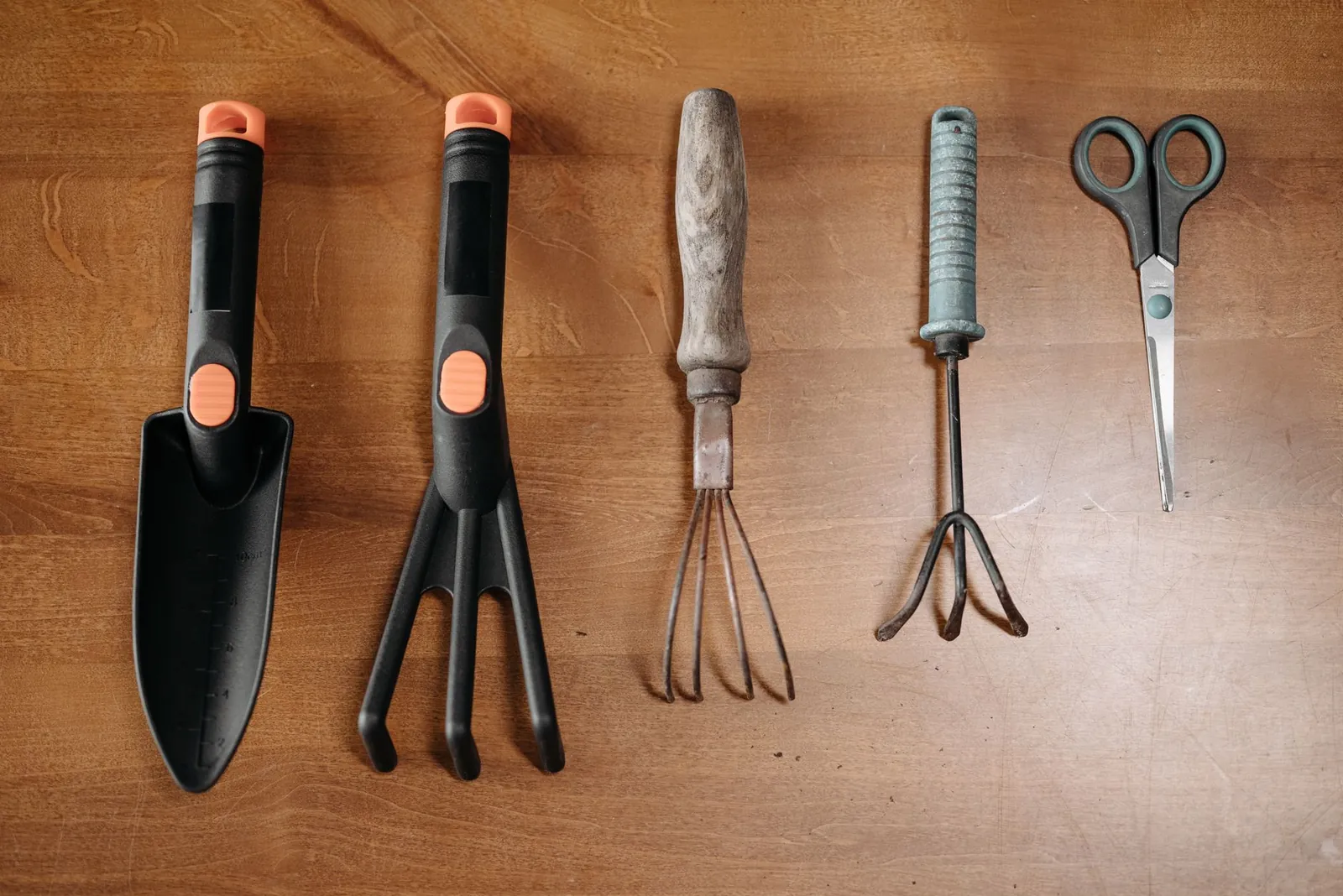
Aluminum and fiberglass handles have largely replaced wood in new tools. A Fiskars Ergonomic Cultivator ($25–$35) weighs roughly half what a comparable steel-handled tool does, and the grip angle reduces wrist bend during repetitive raking. Radius Garden uses a similar approach with wider, palm-filling grips ($40–$60 per tool)—worth the extra cost if you have larger hands or grip issues.
Pruning shears with power assist
Ratcheting pruners—Felco and Corona both make solid versions—multiply your cutting force mechanically, so each squeeze takes less hand strength. Newer models add rotating handles that let you cut at awkward angles without twisting your wrist. Expect to pay $35–$80. If you prune fruit trees or roses regularly, or manage any hand fatigue, the ratchet mechanism is worth the premium over standard bypass shears.
Kneeling aids and garden stools
A padded kneeler with side handles ($30–$60) flips to become a low stool. The handles do one specific thing well: they give you something to push against when standing up, which takes the load off your knees. I use mine through the entire weeding season and would not go back to bare ground.
Soil Testing and Analysis Tools
Handheld digital meters
A basic soil pH and moisture meter costs $20–$40 and gives instant readings. The Habor and Sonkir models are reliable enough for hobby use. Meters in the $60–$150 range also measure nitrogen, phosphorus, and potassium (NPK), but treat those NPK readings as directional rather than precise—they’re less accurate than lab analysis and can vary with soil moisture levels.
Lab-based soil kits
Mail-in kits from university extension services or private labs cost around $30–$50 and return detailed reports on pH, nutrients, organic matter percentage, and specific amendment recommendations. Turnaround is 2–3 weeks. I send samples from my vegetable beds every two to three years—it’s the only way to know whether the compost I’ve been adding is actually shifting the numbers.
Compost thermometers
A long-probe thermometer ($15–$25) tells you whether your pile is reaching 140–160°F at the core, which is the range needed to kill weed seeds and pathogens. Without one, you’re guessing. Most backyard piles that “aren’t working” are simply too cool because they need more nitrogen-rich material or moisture.
Powered Garden Equipment
Battery technology has improved enough that cordless tools now handle most tasks a gas tool used to own. The practical shift: runtime on a single charge has gone from 20–30 minutes on older 18V tools to 45–90 minutes on current 40V and 56V platforms.
Lightweight string trimmers and edgers
A 20V or 40V cordless trimmer from DeWalt, Makita, or Ego runs $80–$180 without battery. They start instantly, run quietly, and need no fuel mixing. If you already own tools in one brand’s battery ecosystem, buying within that system saves $50–$100 on batteries you’d otherwise duplicate.
Compact cultivators and tillers
Electric mini-tillers ($150–$400) are well-suited to raised beds and compacted soil in tight spaces. Sun Joe and Earthquake both make single-person models. They won’t break new ground across a large plot, but for annual bed prep in an established kitchen garden, they’re faster and less damaging to soil structure than a full-size tiller.
Leaf blowers and vacuums
Cordless blower-vac combos ($100–$300) shred collected leaves into roughly one-tenth their original volume. The mulched material composts faster and works well as a winter mulch layer over perennial beds. I run mine along paths and borders before the first hard frost each year.
Gadgets for Planning and Tracking
Garden planning apps
Apps like Gardenate, PlantSnap, and GardenPlanner (free to $30 per year) include planting calendars by USDA zone, layout tools, and photo-based pest identification. The real value is the record-keeping: knowing that your ‘Sungold’ tomatoes outperformed ‘Sweet 100’ three years running is worth more than any gadget.
Plant labels and markers
Weatherproof labels with QR codes ($0.50–$2 each) link to growing notes stored online. Aluminum labels with a permanent marker cost $0.20 each and last for years. Either system works—the habit matters more than the format. I once harvested three unlabeled tomato varieties and spent the whole season unable to replicate the one I liked best.
Comparison of Popular New Gardening Tools
| Tool/Gadget | Price Range | Best For | Key Advantage |
|---|---|---|---|
| Smart soil moisture sensor | $30–$60 | Container and raised bed gardeners | Remote monitoring via app |
| Ergonomic pruning shear | $35–$80 | Regular pruning, wrist strain | Ratchet mechanism reduces hand effort |
| Cordless string trimmer | $80–$180 | Edge maintenance, small yards | Quiet, instant start, no gas |
| Digital soil meter | $20–$150 | pH and nutrient checking | Instant results, portable |
| Modular drip kit | $60–$120 | Vegetable beds, slopes | DIY installation, adjustable emitters |
| Garden kneeler with handles | $30–$60 | Weeding, planting, older gardeners | Flips to stool, eases standing up |
Our verdict
Not every new gadget earns its shelf space. Focus on tools that solve a specific problem you actually have: ergonomic shears if your hands hurt after pruning, a soil sensor if you routinely overwater containers, a cordless trimmer if gas equipment frustrates you. The best new tools work alongside your existing habits—they don’t require you to build new ones from scratch.
What to Look for When Buying New Tools
Check reviews from home gardeners managing plots similar in size to yours. What works for a professional landscaper on half an acre often doesn’t translate to a 10×12 raised bed setup. Good tools typically carry 5–10 year warranties—that’s a reliable signal of build quality. Buy from retailers with straightforward returns; fit and feel matter and are hard to judge from a product page.
If you’re just starting a vegetable garden, spend on basics first: a good spade, a hand fork, and a watering can. Add gadgets once you’ve gardened a full season and know where your actual friction points are.
Frequently asked questions
Are smart watering systems worth the cost?
It depends on how consistently you’re home during the growing season. If you travel or frequently forget to water, a $60–$100 smart timer pays for itself by preventing dead plants. If you’re home daily and water on a regular schedule, a basic hose timer at $15–$25 does the job without the app dependency.
Do soil moisture sensors actually work?
Yes, with two caveats: calibrate them when you first install them, and replace batteries on schedule. They’re most accurate in containers and raised beds where soil composition is consistent. In-ground sensors can give false readings where air pockets or compaction interrupt contact with the probe.
Which cordless tool brand is best for gardening?
DeWalt, Makita, and Ego all make reliable cordless garden tools. If you already own tools from one brand, stay in that ecosystem to share batteries and chargers—that alone can save $60–$120. If you’re starting fresh, Ego has built its reputation specifically around outdoor power equipment rather than adapting a construction-tool platform.
How often should I test my soil?
Every 2–3 years for established beds is standard. Test more frequently if you’re troubleshooting a specific problem—poor germination, yellowing leaves, or stunted growth. New beds benefit from a baseline test before planting so you know exactly what amendments to add rather than guessing.
Can I use a regular smartphone app instead of a dedicated garden planning tool?
You can, but you’ll build the planting calendar and zone-specific recommendations yourself. Dedicated garden apps include that data out of the box, along with variety tracking and pest identification by photo. A notes app works fine if you’re disciplined—the gap is in setup time, not long-term usability.

Ellen has renovated three houses, killed more seedlings than she admits, and writes about both.