Gardening
Best Robot Lawn Mower for Small Yards: Top Picks
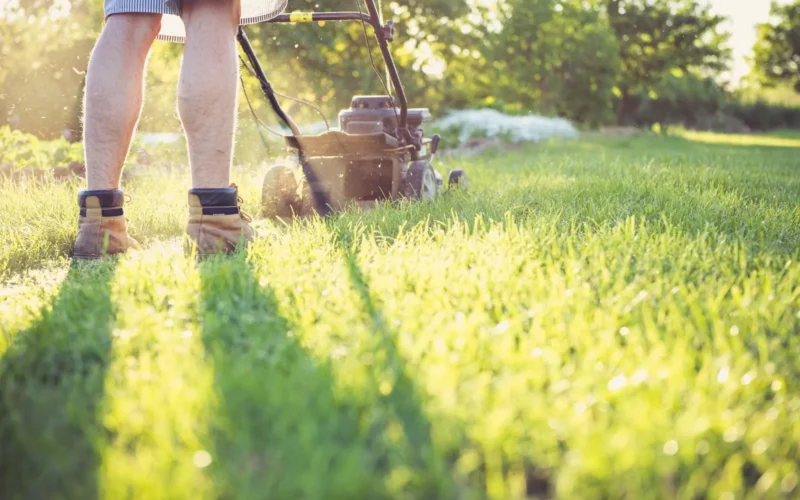
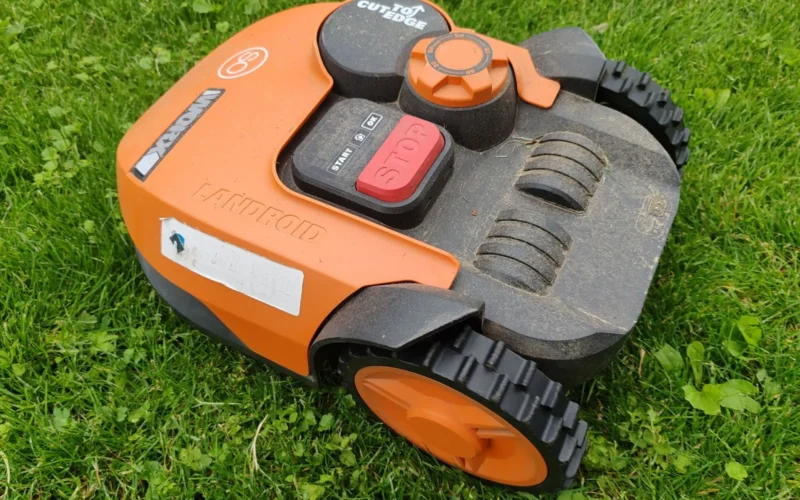
For yards under 0.5 acres, a robot mower in the $450–$800 range handles weekly cutting completely hands-free. Here's what separates a good fit from a frustrating one.
Growing vegetables
For yards under 0.5 acres, a robot mower in the $450–$800 range handles weekly cutting completely hands-free. Here's what separates a good fit from a frustrating one.
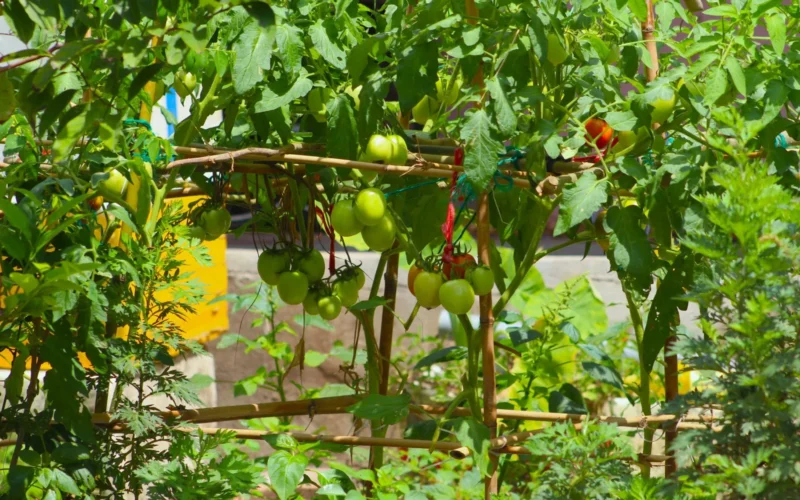
Staking tomato plants keeps fruit off the ground, improves air circulation, and makes harvesting easier—here's how to do it right.
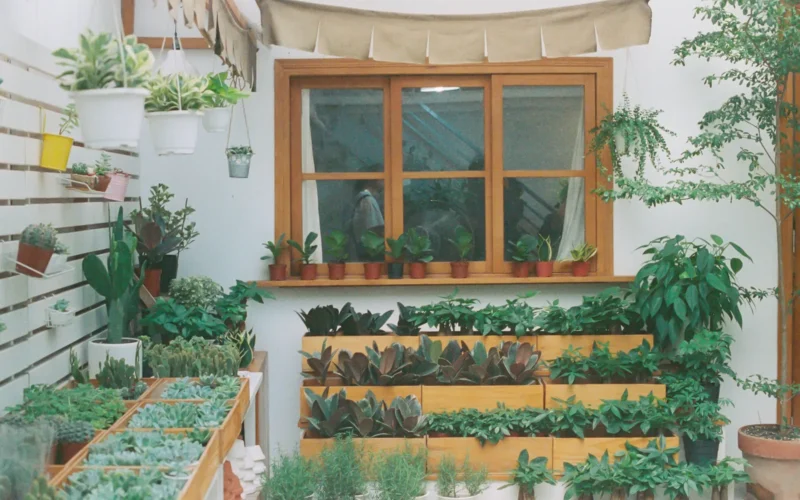
Basil, mint, chives, and parsley are the most reliable herbs for indoor growing—harvestable in 20–70 days, manageable in 4–8 inch pots, and cheap enough to start for under $80.
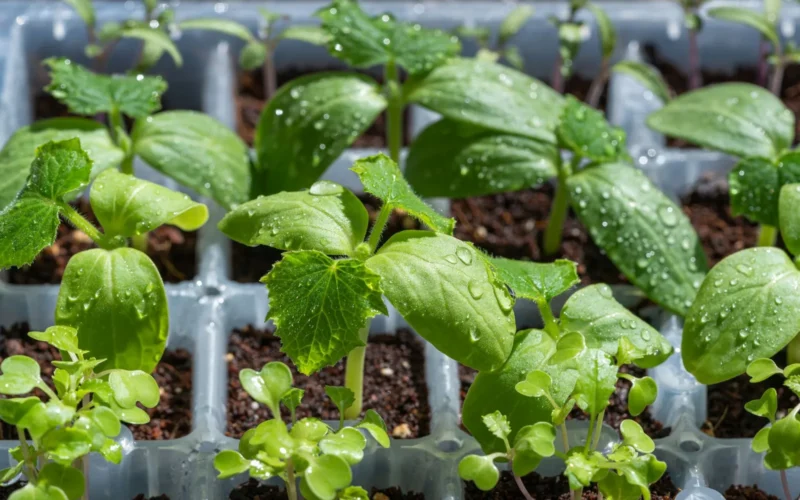
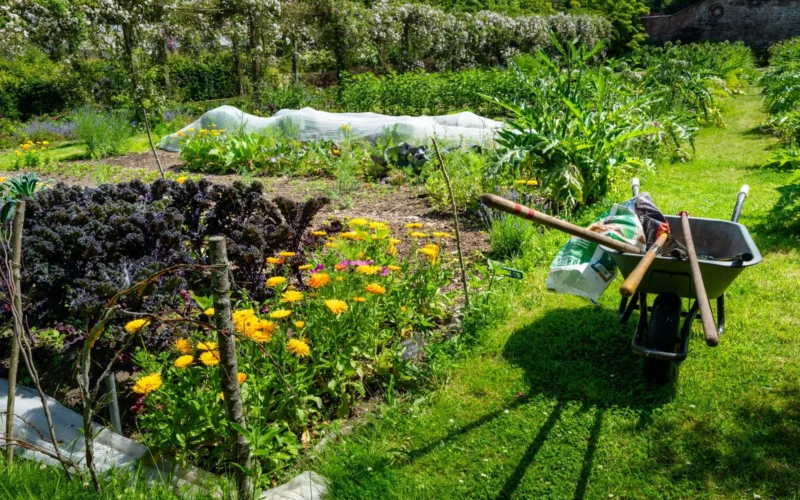
Pick a sunny spot, fix the soil, and choose three to five forgiving crops—most beginners can harvest their first vegetables within 50 to 80 days of planting.
A month-by-month lawn care schedule tells you what to do and when—so you spend time on the right tasks instead of catching up from mistakes.
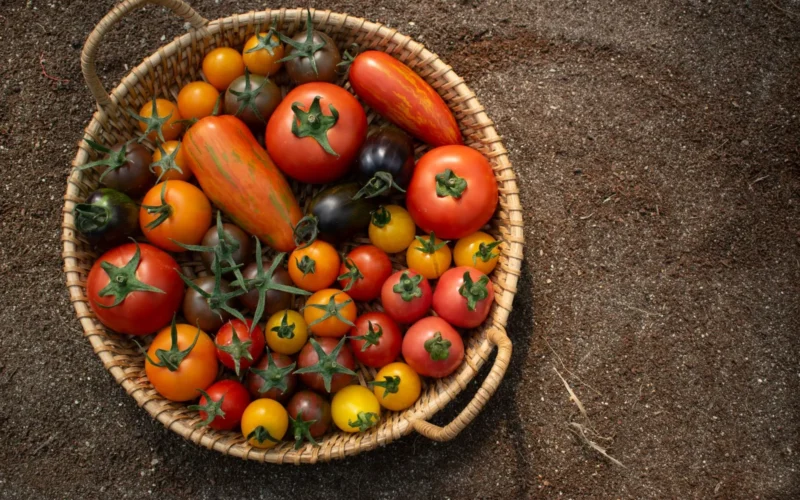
Determinates like 'Early Girl' and cherry types like 'Sweet 100' are your safest bets for a first tomato harvest.
Companion planting pairs vegetables to improve growth, deter pests, and maximize garden space. This chart shows exactly which crops to grow together—and which to keep apart.
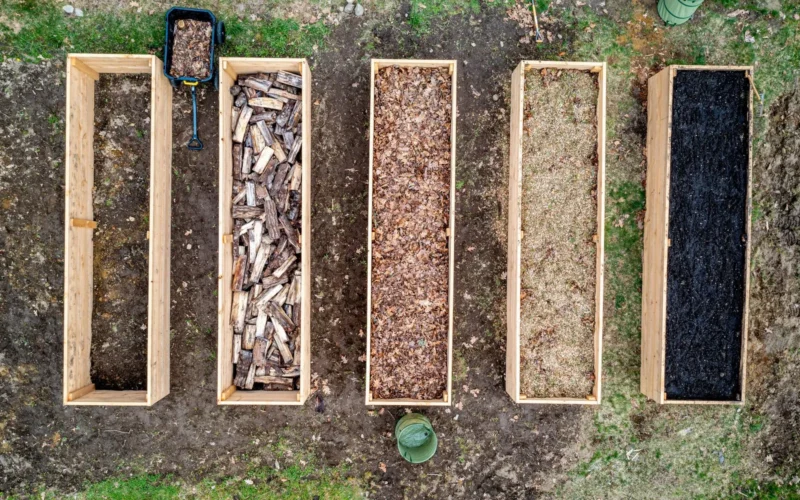
A 4×8-foot cedar raised bed costs $180–270 in materials and takes one weekend to build. Here's exactly how to size, assemble, fill, and maintain it.
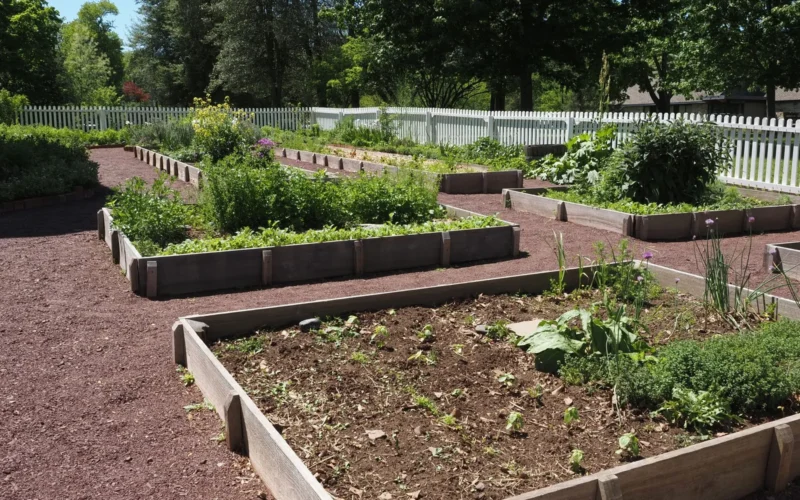
A 4×8 raised bed is the easiest starting point for most beginners—manageable, productive, and forgiving of imperfect soil. Here's how to lay one out, and when containers or in-ground rows make more sense.
Sow carrot seeds ¼ inch deep in loose, rock-free soil, keep the seedbed moist for up to three weeks until they sprout, and thin ruthlessly once seedlings reach 2 inches tall. Most varieties are ready to pull in 50–80 days.