This article may contain affiliate links. If you buy through them we may earn a commission at no extra cost to you.
A standard 4-by-8-foot raised bed takes a Saturday to build, costs $180–270 in wood and soil, and will outlast most in-ground amendments by a decade. You need four boards, sixteen screws, a drill, and a level spot of ground.
Why Build Raised Garden Beds
I switched to raised beds after three years of fighting clay soil that stayed waterlogged well into June. The difference was immediate: soil warmed up two to three weeks earlier in spring, drainage was no longer a guessing game, and I stopped kneeling on wet ground. If your native soil is compacted, nutrient-poor, or contaminated, a raised bed lets you skip years of amendment work and start with exactly the mix your plants need.
There’s a practical accessibility argument too. A 12-inch-tall bed puts the soil close enough to work from a low stool; an 18-inch bed is comfortable standing. That matters more than it sounds after a long planting weekend.
Choose Your Materials and Size
Wood options
Untreated cedar or redwood are my first choice: naturally rot-resistant, safe next to edibles, and good-looking. Expect to pay $30–60 per 8-foot board and get 10–15 years of service. Pine costs $15–25 per board but typically rots in 5–7 years, so the savings shrink over time. Composite lumber (recycled plastic) runs $60–100 per board, lasts 20-plus years, and never needs sealing — worth considering if you’re building several beds at once. Avoid pressure-treated lumber made before 2004, which contained arsenic; post-2004 formulations are safer, but cedar is still the cleaner option for vegetables.
Dimensions that work
Four feet wide by 8 feet long by 12 inches deep is the standard for good reason. The 4-foot width lets you reach the center from either side without stepping inside and compacting the soil. If you have limited mobility or a narrow path, 3 feet wide is easier to manage. For depth, 12 inches handles most vegetables, herbs, and flowers. Tomatoes, peppers, and root crops like carrots or beets do better with 18 inches. Longer than 8 feet is fine structurally, but the frame is harder to move and the middle board can bow outward — add a center stake if you go past 10 feet.
Prepare the Site
Vegetables need 6–8 hours of direct sun; leafy greens tolerate 3–4. Once the bed is filled, moving it is not realistic, so spend a few days observing the spot before committing.
Level the ground as well as you can — I use a 2-foot level and check in both directions. A slope of more than 2 inches across 8 feet will pool water at the low end and dry out the high end faster than you’d expect. Remove grass and weeds rather than leaving them under the bed; they regrow through cardboard faster than most people expect, especially if you have bermudagrass or bindweed nearby.
Build the Frame
What you’ll need
- Four boards cut to length (two at 8 feet, two at 4 feet for a standard bed)
- Sixteen 3-inch exterior wood screws (2.5-inch for composite lumber)
- Power drill with a Phillips bit
- Circular saw, if you’re cutting boards yourself
- 2-foot level
- Work gloves
Assembly steps
Lay the two long boards parallel on the ground, roughly 4 feet apart. Set the short boards at each end to form a rectangle. Screw from the outside face of each short board into the end grain of the long boards — four screws per corner, two per face. Pre-drill every hole; cedar splits easily along the grain if you skip this step. Corner brackets add rigidity and are worth the extra $8–12 if you’re building on sloped ground or plan to move the frame.
Set the assembled frame on your prepared site and check level in both directions. Shim low corners by adding soil underneath rather than cutting the boards. Once it’s close, you’re ready to fill.
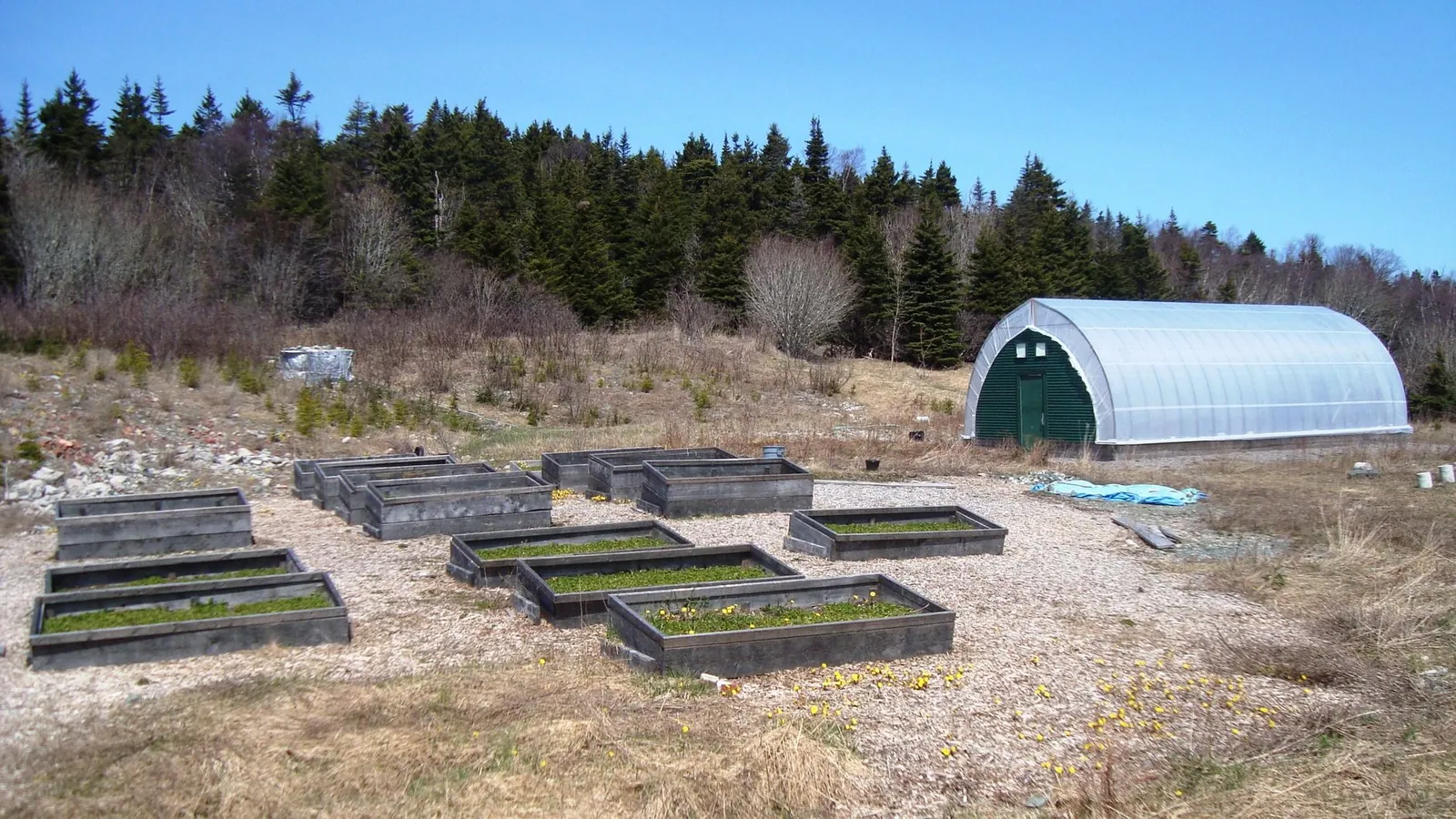
A raised bed frame that’s square and level takes 30 minutes to check but saves months of frustration with settling and water pooling.
Fill With Soil and Amendments
A 4-by-8-by-12-inch bed holds 32 cubic feet — about 1.2 cubic yards, or roughly 1,200 pounds of moist soil. Buying in bulk is significantly cheaper than bags: expect $30–50 per cubic yard delivered locally versus $5–8 per 1.5-cubic-foot bag, which adds up to $130–170 for the same volume.
The mix I use: 40% topsoil, 40% compost, 20% perlite or coarse sand. That ratio drains well without drying out too fast. For vegetables, add a 2-inch layer of compost on top after filling. Most vegetables prefer a soil pH of 6.0–7.0; a $15 test kit from any garden center tells you where you’re starting. Add lime to raise pH, sulfur to lower it — the kit instructions will give you specific quantities based on your reading.
Fill in stages and water lightly between layers. This collapses air pockets and gives you a more accurate sense of final volume. The soil will settle another inch or two over the first month, so filling slightly above the frame edge is fine.
Protect Against Common Problems
Pests and critters
Gophers and moles are the underground threat. If they’re active in your yard, staple 1/2-inch hardware cloth across the bottom of the frame before filling — about $20–30 per bed and worth every cent if you’ve lost root crops before. Rabbits are stopped by a 3-foot fence; deer need 4–5 feet. Floating row covers ($10–15) protect seedlings from insects in early spring without blocking much light.
Weed prevention
Lay cardboard on the ground before adding soil. It degrades in 1–2 years, which is long enough to smother most weeds while the bed establishes. Landscape fabric lasts longer but eventually clogs with roots and becomes a nuisance to remove. I save moving boxes through winter and use them in spring — free, and easy to replace a section if something pushes through.
Wood care
Cedar and redwood need nothing. If you use pine, a coat of exterior wood stain — not paint, not a fungicide-containing sealant — extends its life to 8–10 years. Check corners and end grain each spring; that’s where rot starts, especially after a wet winter.
Maintain Your Raised Bed Year to Year
Add 1–2 inches of compost each spring to replace what decomposed and settled over winter. In fall, I top the bed with 3 inches of shredded leaves or aged manure; by planting time it’s partially broken down and feeds the first flush of growth without burning roots.
Every 3–5 years, refresh or heavily amend the soil. Tomatoes, squash, and other heavy feeders strip nitrogen quickly; lettuce and herbs are far gentler on the mix. Rotating plant families between beds each season — moving nightshades, brassicas, and legumes to different spots — slows the buildup of soil-borne diseases and pests that target specific crops.
Frequently asked questions
How deep do raised garden beds need to be?
Most vegetables grow well in 12 inches of soil. Tomatoes, peppers, and root vegetables like carrots and beets benefit from 18 inches. Lettuce, spinach, and herbs need just 8–10 inches. Perennials like asparagus or rhubarb need 18 inches minimum, since their root systems expand for years.
Can I use treated lumber for a vegetable garden?
Modern pressure-treated lumber (post-2004) is considered safe for vegetables — the arsenic-based preservative was removed from residential lumber in 2004. That said, untreated cedar or redwood are better choices if budget allows, since they need no treatment and perform just as well against rot. Composite materials are the safest option but cost the most upfront.
Do raised beds need a bottom?
No. A solid bottom is optional and mainly useful for blocking burrowing pests like gophers and moles. If those aren’t a problem in your yard, skip it. Cardboard on the ground helps suppress weeds but isn’t essential if you’re starting with fresh, weed-free soil.
How much does it cost to build a raised bed?
A basic 4-by-8-by-12-inch cedar bed runs $100–150 for wood and screws, plus $80–120 for bulk soil and amendments. Total: roughly $180–270 per bed. Composite lumber pushes material costs to $200–300 but lasts twice as long, which lowers the cost per year over a decade.
Can I build raised beds in fall?
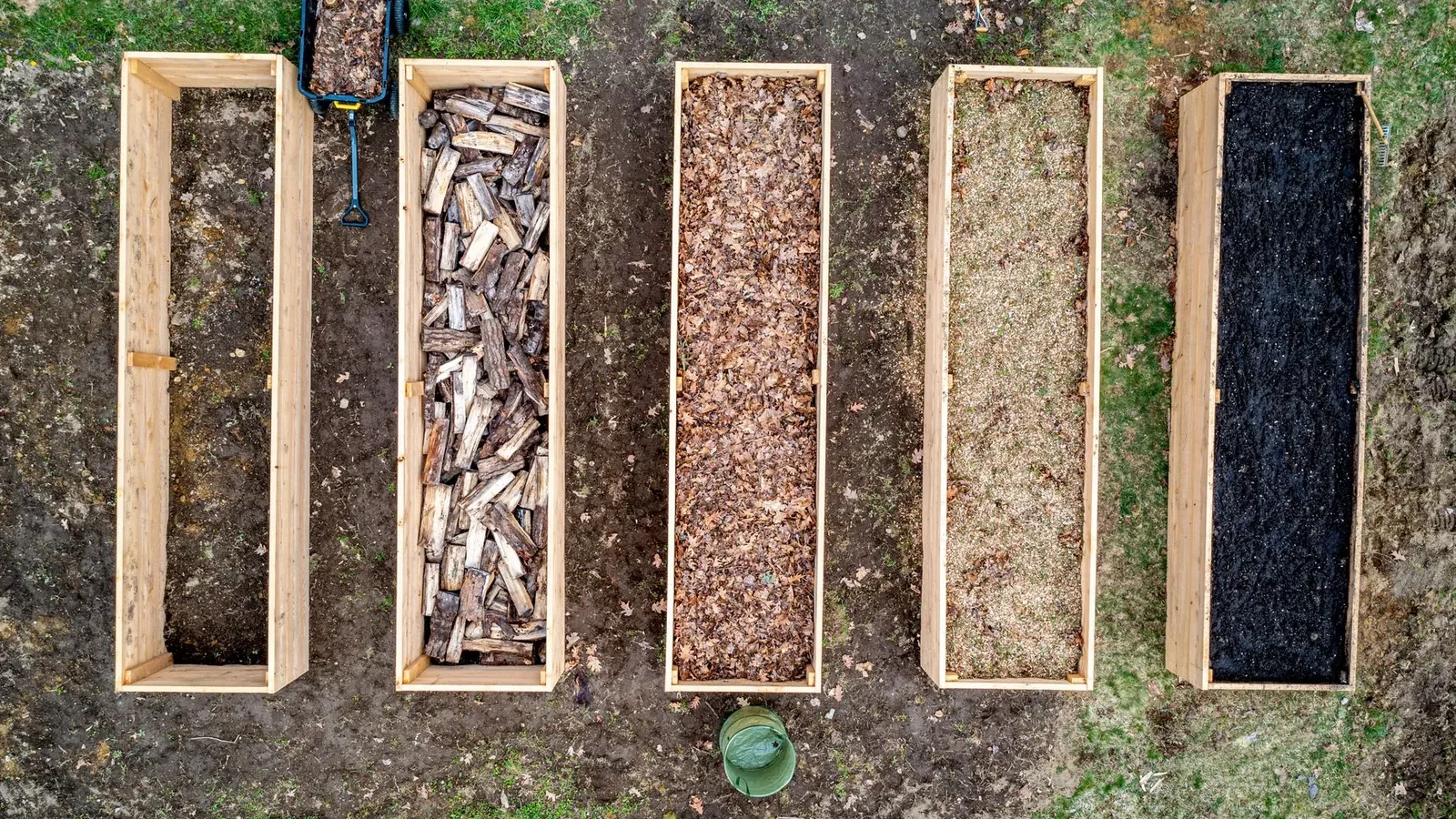
Fall is actually a good time to build. You can fill beds with leaves, compost, and soil, let everything settle and partially decompose over winter, and plant earlier in spring than you could with a freshly filled bed. In mild climates (USDA zones 7 and warmer), cool-season crops like lettuce, kale, and spinach can go in immediately after filling.

Ellen has renovated three houses, killed more seedlings than she admits, and writes about both.