Home Improvement
How to Remove Old Caulk Cleanly: Tools & Techniques
Old caulk comes out cleanly with the right tools and patience—here's exactly how to do it.
Repairs
Old caulk comes out cleanly with the right tools and patience—here's exactly how to do it.
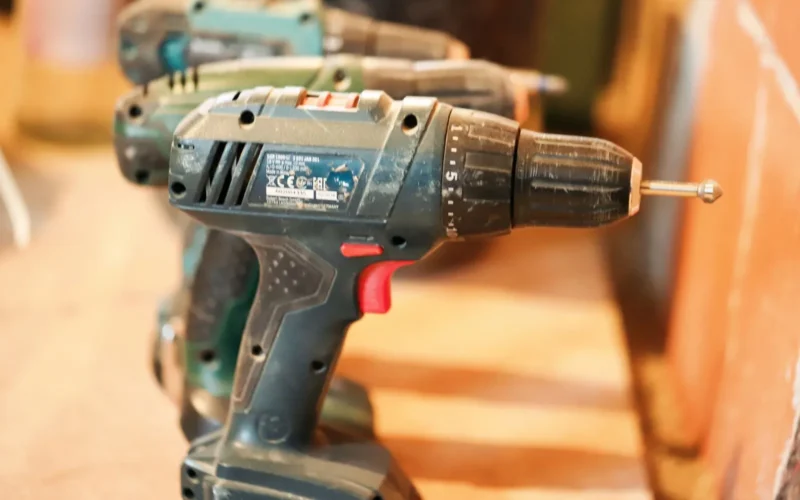
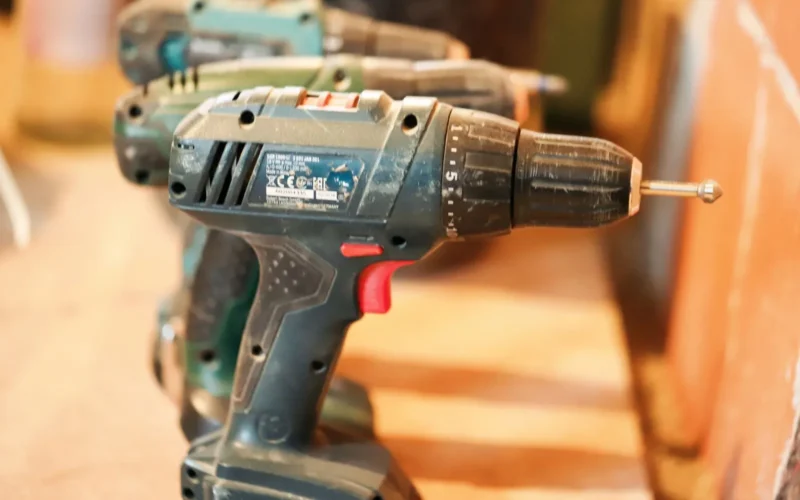
For most homeowners, a cordless drill handles everything from hanging shelves to building a deck. A corded drill earns its place when you need sustained power for masonry, framing, or heavy fastening—and never want to think about battery life again.
Semi-gloss and satin bathroom paints resist moisture and mildew better than flat finishes, costing $25–$60 per gallon.
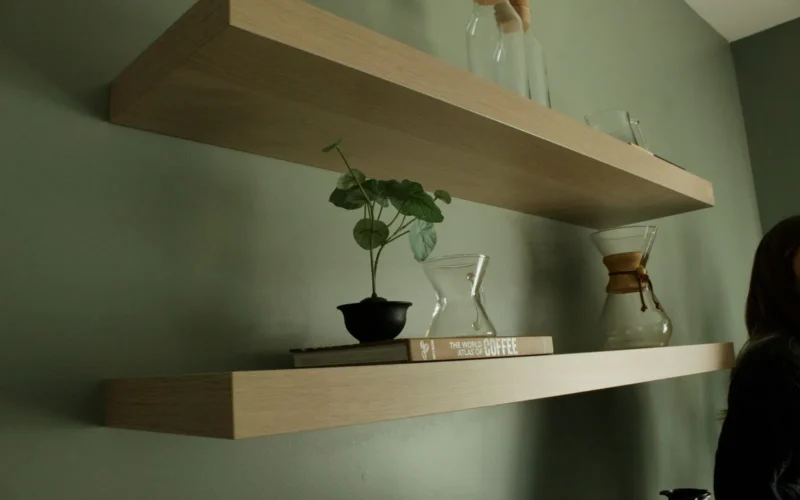
Floating shelves go up in 1–2 hours per shelf and cost $30–$150 in materials. The job comes down to three things: finding studs, choosing brackets rated for your load, and keeping everything level.
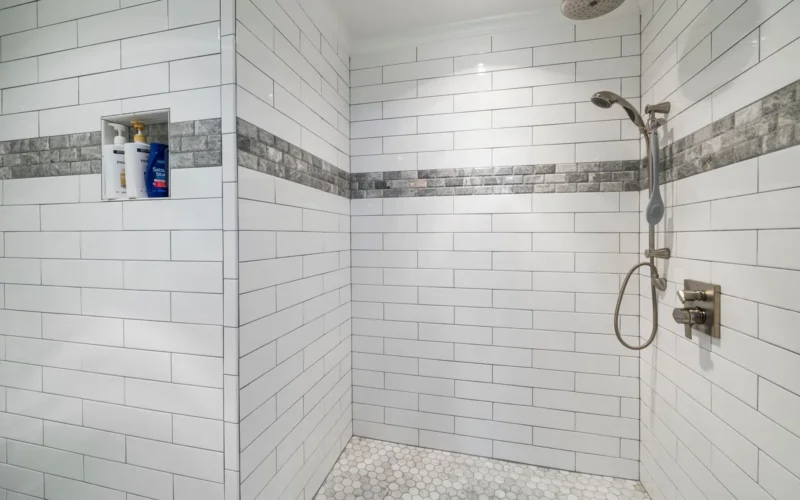
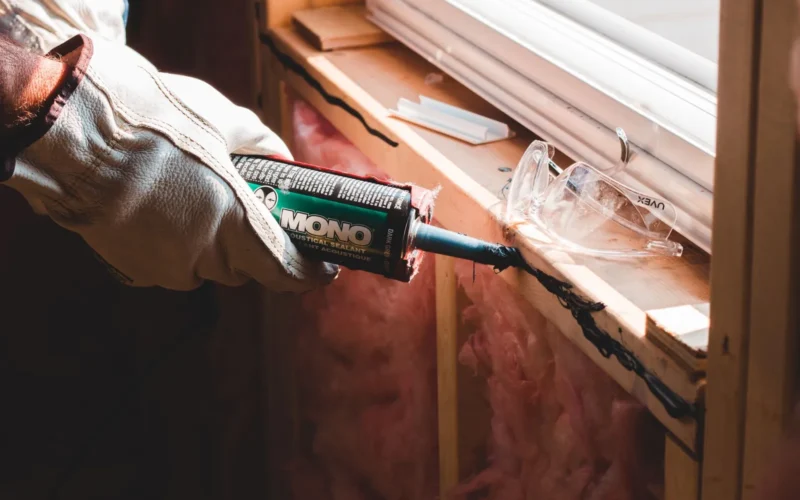
A fresh caulk bead takes under an hour and about $20 in materials. Skip it, and water works behind your tile until you're looking at a drywall repair bill.
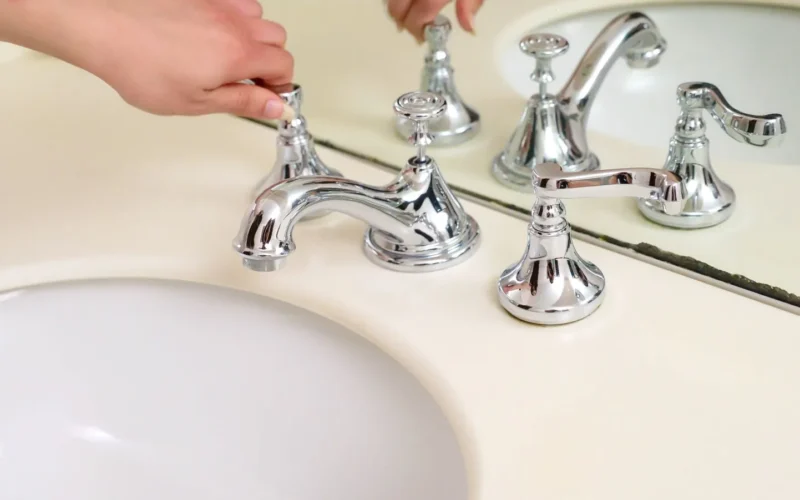
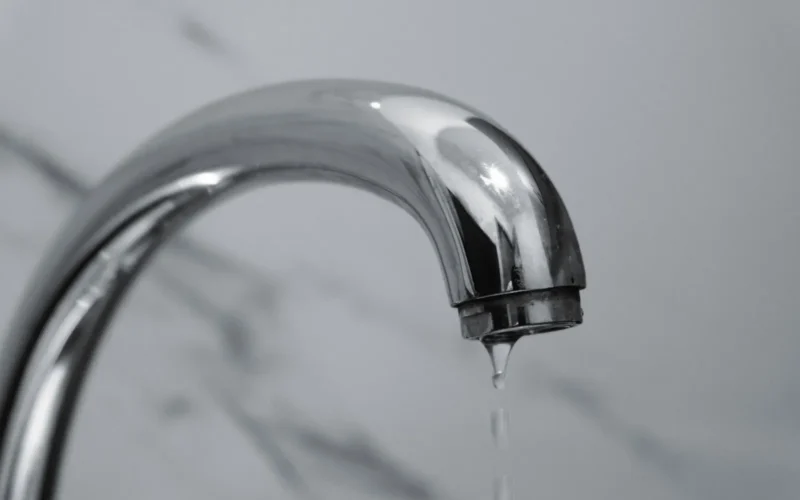
A worn cartridge is behind most dripping taps. Replacing it yourself takes 30–45 minutes, costs $15–$80, and needs only basic tools.
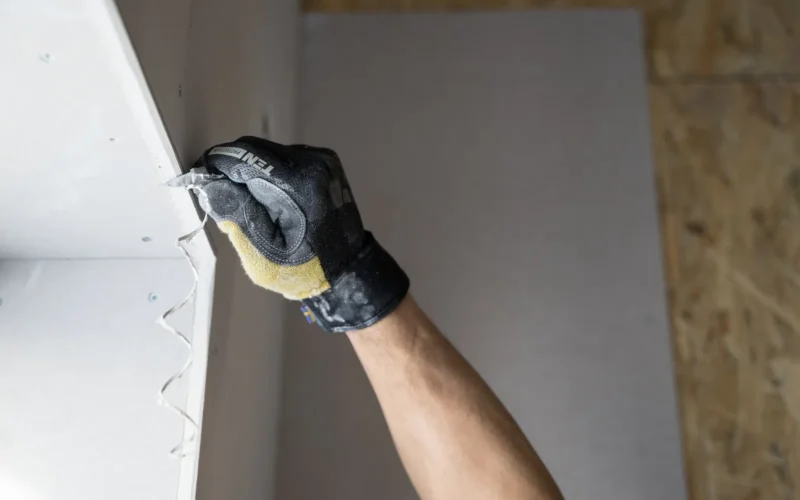
Patching drywall holes takes basic materials and straightforward technique. Most repairs cost under $20 and take an afternoon.
Silicone caulk outlasts acrylic in wet areas, but the best choice depends on your budget, surface type, and how often you want to redo the job.
For most home projects, a 20V drill in the $70–$120 range is all you need. Here's how five top models stack up so you can pick the right one without overspending.
A leaking tap washer is fixable in under an hour with basic tools and costs under $10 in parts.