This article may contain affiliate links. If you buy through them we may earn a commission at no extra cost to you.
For shower stalls and tub surrounds, silicone caulk is the right call—it resists moisture completely, rarely grows mold, and lasts 10–20 years. Acrylic latex costs less ($1–$3 a tube versus $3–$8) but shrinks as it cures, invites mold in poorly ventilated bathrooms, and typically needs replacing every 5–8 years. Hybrid and polyurethane options land between those two in price and longevity, each suited to specific surfaces and conditions.
Types of Caulk for Wet Areas
Constant water exposure, humidity, and temperature swings demand a caulk that stays flexible, repels mold, and doesn’t shrink away from the joint. I’ve used all four types below in my own renovations, and each has real trade-offs worth knowing before you buy.
Silicone Caulk
Silicone stays flexible indefinitely and resists water penetration completely. I pulled 12-year-old silicone from a shower surround once and found it still supple and watertight. The drawbacks are real, though: it’s harder to tool smoothly than acrylic, most formulas can’t be painted, and cleanup requires mineral spirits rather than water.
Paintable silicone exists but runs $6–$10 per tube and offers limited color choices. For most bathrooms, white or clear standard silicone is the better pick—cheaper, longer-lasting, and no painting needed.
Acrylic Latex Caulk
Acrylic is easy to apply, paintable, and cleans up with water—which is why it’s popular for trim work and visible seams. It’s also the most forgiving to tool with a wet finger. The problem is durability: acrylic shrinks slightly as it cures, becomes brittle over time, and molds readily in humid conditions. In a bathroom with poor ventilation, I’ve watched acrylic fail in under four years.
Save acrylic for drier locations—kitchen backsplash edges, cabinet seams, or bathroom walls well above the sink. Keep it out of direct shower spray zones.
Hybrid (Siliconized Acrylic) Caulk
Hybrid blends acrylic’s easy application with silicone’s water resistance. It’s paintable, water-cleanup, and resists mold better than plain acrylic. Expect 7–10 years in a bathroom versus acrylic’s 5–8. At $2–$5 per tube, it’s a practical middle ground when you need to paint over the seam but still want decent moisture protection.
Polyurethane Caulk
Polyurethane bonds aggressively to tile, stone, and wood—better than silicone on some glazed tile surfaces where silicone can pull away. It’s highly flexible, resists water and mold, and lasts 10–15 years. The trade-offs: it requires more caulk-gun pressure, takes 3–7 days to fully cure, and needs mineral spirits for cleanup. At $4–$10 per tube, it’s worth it for transitions between different materials where movement and adhesion both matter.
Silicone vs. Acrylic: Head-to-Head Comparison
| Feature | Silicone | Acrylic Latex | Hybrid | Polyurethane |
|---|---|---|---|---|
| Water resistance | Excellent | Fair | Good | Excellent |
| Mold resistance | Excellent | Poor | Good | Excellent |
| Paintable | No (usually) | Yes | Yes | No |
| Ease of application | Moderate | Easy | Easy | Moderate |
| Cleanup | Mineral spirits | Water | Water | Mineral spirits |
| Lifespan (years) | 10–20 | 5–8 | 7–10 | 10–15 |
| Cost per tube | $3–$8 | $1–$3 | $2–$5 | $4–$10 |
Best Caulk by Location
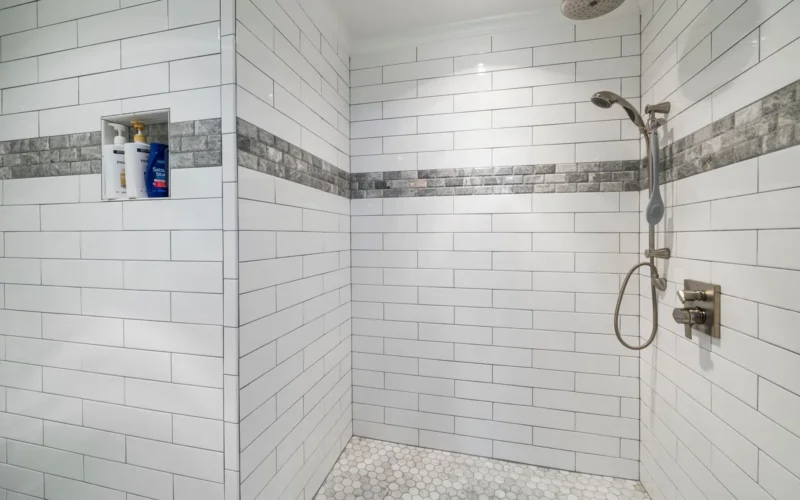
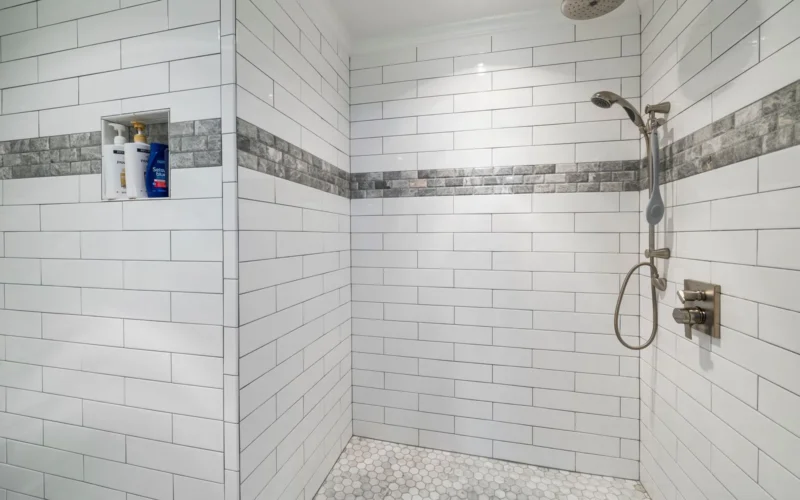
Shower Stalls and Tub Surrounds
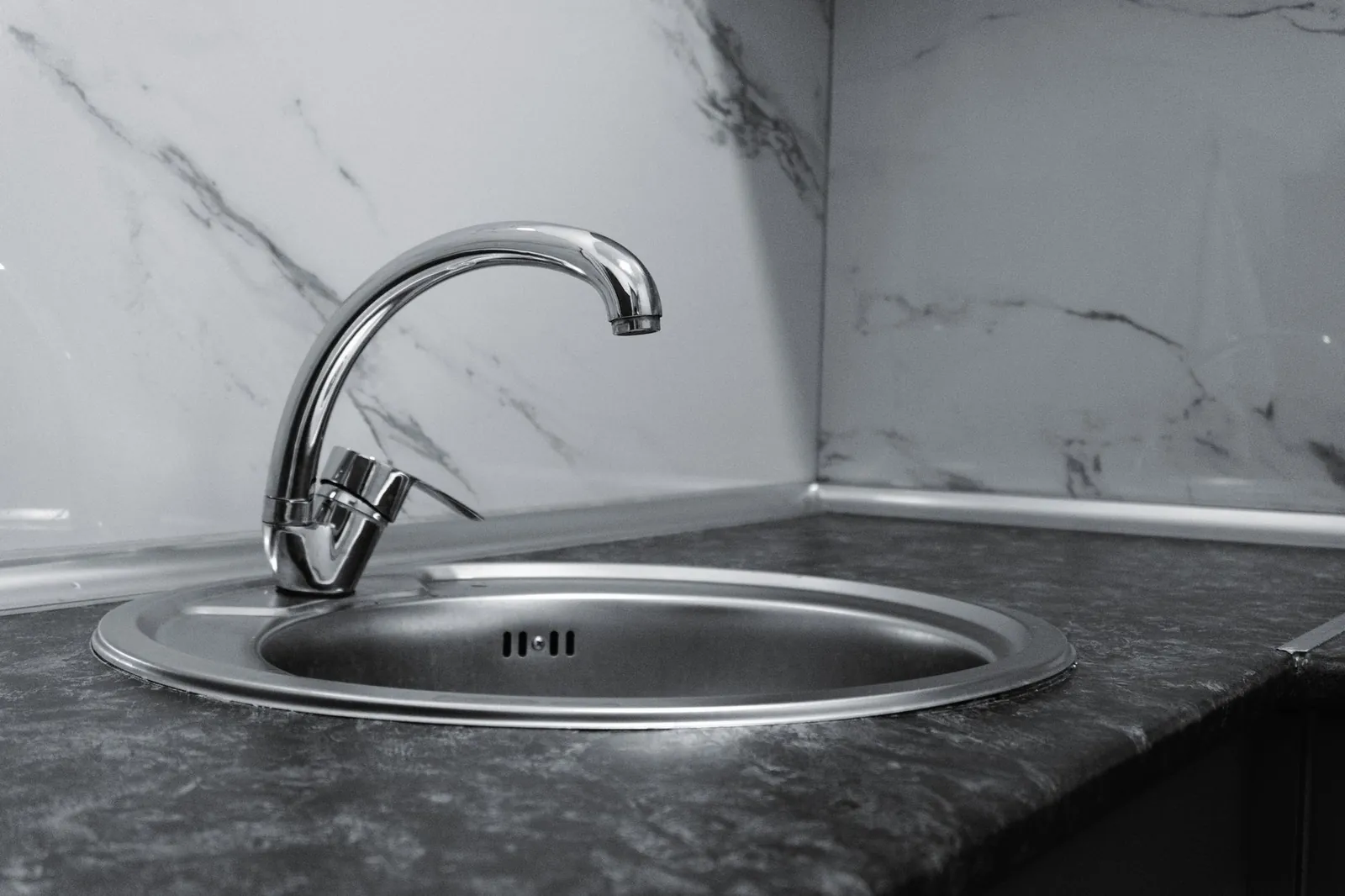
Use silicone or polyurethane here—no exceptions. These surfaces see constant spray and daily temperature swings from cold to hot. Acrylic will crack or peel within a few years. For most homeowners replacing old caulk, silicone is the simpler choice: easier to apply than polyurethane, and proven over decades. Our guide on how to caulk a bathtub properly covers the full removal and application process.
Sink Edges and Countertop Seams
Hybrid works well if you need to paint the seam to match trim. Silicone is better if the caulk will stay visible and you want it to last 15+ years without touching it again. Acrylic is acceptable only if the area dries out between uses and you’re comfortable re-caulking every five or six years.
Backsplash and Wall Edges
Acrylic or hybrid is fine for backsplash edges that don’t receive direct spray. The moisture load here is far lower than a shower surround. If the wall is painted and you want the caulk to disappear into the finish, hybrid or acrylic gives you that paintability without spending on silicone.
Tile Grout Lines
Don’t use caulk in grout joints. Caulk belongs only where tile meets a different material—tub rim, wood trim, a countertop edge. In actual tile-to-tile joints, use grout. Caulk in a grout line will look wrong and won’t hold up to foot traffic or cleaning.
Key Features to Look For
Mold and Mildew Resistance
Brands like DAP, GE Silicone II, and Dap Dynaflex offer antimicrobial formulas with mold-inhibiting additives. These typically run $4–$6 per tube—a dollar or two more than standard versions—and reduce how often you need to bleach-clean the joint or replace the caulk early. Worth it in bathrooms that stay humid.
Flexibility and Movement
Silicone and polyurethane stay flexible indefinitely as materials expand and contract with temperature changes. Acrylic stiffens over time and eventually cracks. Check the product label for a flexibility or joint-movement rating; higher numbers mean the caulk can handle more movement without splitting.
Adhesion
Polyurethane bonds most aggressively to mixed materials. Silicone occasionally pulls away from certain glazed tile surfaces. If you’re caulking a joint between tile and natural stone, or stone and wood, test a small section first or default to polyurethane.
Cure Time
Acrylic and hybrid cure in roughly 24 hours. Silicone takes 24–48 hours. Polyurethane needs 3–7 days to fully cure—don’t use that shower in the meantime. If you’re doing a quick weekend re-caulk of a single bathroom, acrylic or hybrid gets you back in service faster.
Silicone costs more upfront but saves money over 15 years because you won’t re-caulk a shower three times.
Application Tips for Best Results
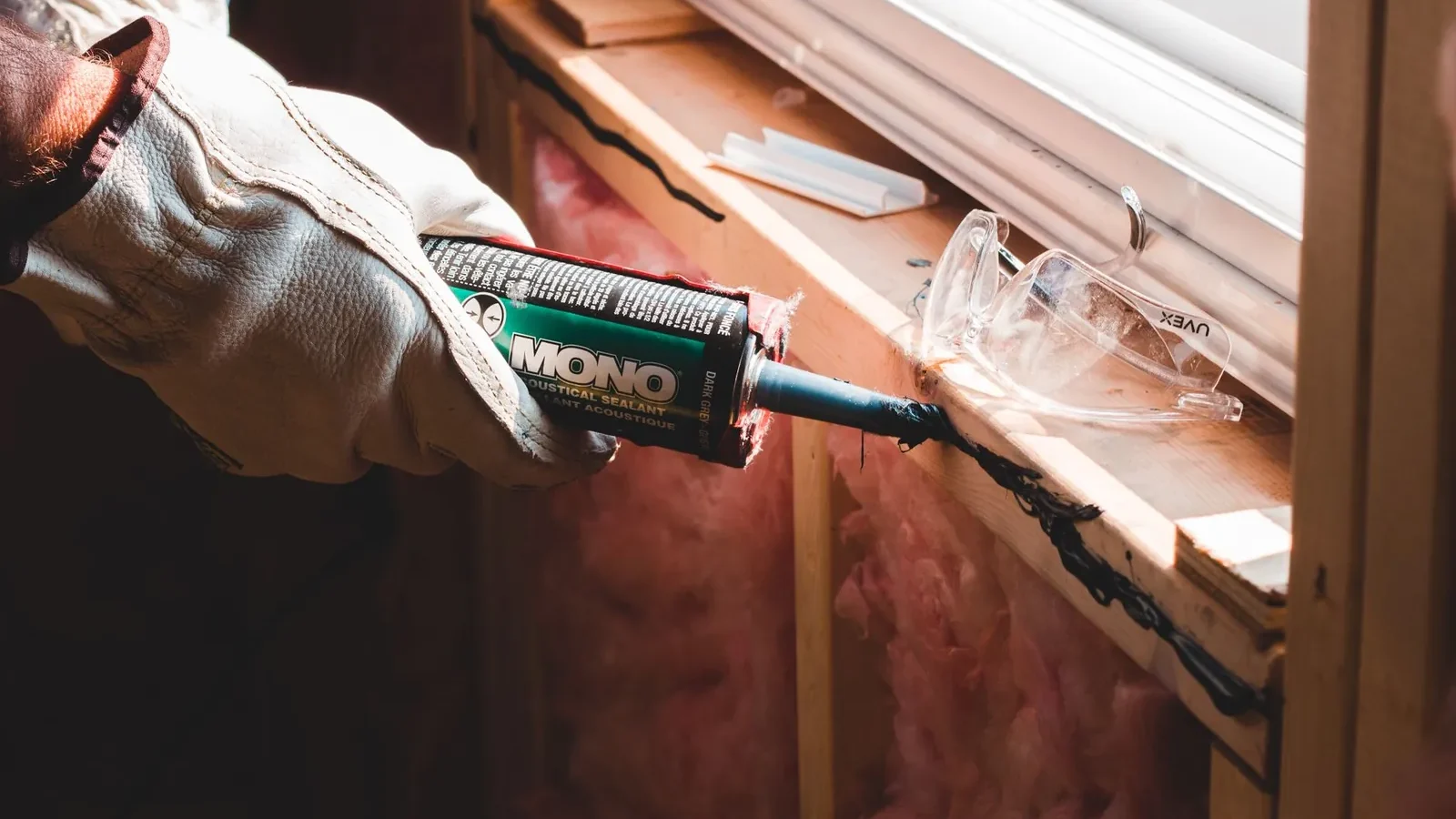
Even the best caulk fails if applied poorly. A few habits make the difference between a seam that lasts a decade and one that peels in two years:
- Remove old caulk completely. Use a caulk removal tool or utility knife, then wipe the joint clean. Let it dry 24 hours if there’s any moisture in the seam.
- Tape both sides of the joint. Painter’s tape keeps caulk off adjacent surfaces and gives you a clean edge. Pull the tape while the caulk is still wet.
- Apply one continuous bead. Hold the gun at 45 degrees and move steadily. Multiple short applications leave weak spots.
- Tool it within 5–10 minutes. Wet your finger or a caulk-finishing tool and smooth the bead in one pass. This presses caulk into the joint and removes the excess.
- Ventilate the room. Open a window and run the exhaust fan during and after application, especially with silicone or polyurethane, which release strong fumes.
- Wait the full cure time. Don’t run the shower or sink until the caulk has cured completely—typically 24–48 hours for silicone, longer for polyurethane.
Cost Breakdown
A standard 10.1 oz tube covers roughly 30–50 linear feet of a ¼-inch bead. A typical bathroom re-caulk—tub surround, sink edges, and trim—needs 2–4 tubes, putting total material cost at $4–$30 depending on type. Hiring a professional runs $100–$300 for a full bathroom, varying by scope and local labor rates. The job itself isn’t difficult, but it does require patience and a steady hand to look clean.
Our verdict
For most kitchens and bathrooms, silicone caulk delivers the best long-term value. It outlasts acrylic by years, resists mold without additives, and requires minimal maintenance. If budget is tight or you need paintability, hybrid caulk is a solid compromise. Reserve acrylic for low-moisture areas only, and use polyurethane when bonding to mixed materials matters.
Frequently asked questions
Can I caulk over old caulk?
Not reliably. Old caulk must be removed completely for the new bead to adhere properly and create a watertight seal. Use a caulk removal tool, utility knife, or a commercial caulk remover product. Caulking over old material typically fails within 1–2 years.
Is paintable silicone worth the extra cost?
Only if you need the caulk color to match painted trim. Standard silicone is cheaper and lasts just as long. Paintable silicone costs $6–$10 per tube and still has limited color options. For most bathrooms, white or clear silicone that doesn’t need painting is the better choice.
How often do I need to re-caulk a shower?
With silicone in a well-ventilated bathroom, expect 10–15 years. Acrylic needs replacement every 5–6 years. Poor ventilation, hard water staining, or visible mold growth means it’s time to re-caulk sooner. Regular cleaning with mild soap and water extends caulk life regardless of type.
What’s the difference between caulk and grout?
Caulk is flexible and waterproof; it bridges gaps between different materials or wherever movement occurs. Grout is rigid and fills joints between tiles. Never use caulk in grout lines meant for grout, and don’t use grout where caulk belongs—grout will crack in any joint that flexes.
Can I use kitchen and bathroom caulk outdoors?
Silicone rated for exterior use holds up outdoors, but standard bathroom silicone can degrade under UV exposure. For exterior trim or outdoor showers, buy caulk specifically labeled “exterior” or “UV-resistant.” It costs slightly more but prevents the kind of chalking and cracking that sends you back up the ladder in two seasons.

Rob is a former carpenter who now explains home repairs so you only have to do them once.