This article may contain affiliate links. If you buy through them we may earn a commission at no extra cost to you.
For most bathrooms, satin or semi-gloss paint with mildew-resistant additives is the right call—$25–$60 per gallon depending on brand and finish. Which one you choose depends on how wet your bathroom gets, how well it ventilates, and how forgiving you need the finish to be on imperfect walls.
Why Bathroom Paint Is Different
Regular interior paint absorbs moisture, blisters, and gives mold a foothold. I found this out after painting a guest bath with leftover living room paint—it peeled within six months. Bathroom-specific formulas use mildew inhibitors (typically zinc oxide or copper compounds), moisture-resistant resins, and higher sheen levels that shed water instead of soaking it in. They also hold up to soap scum and hard water without dulling when you wipe them down.
Paint Finish Types for Bathrooms
Semi-Gloss
Semi-gloss is the most moisture-resistant wall finish and the traditional choice for tub surrounds and trim. It reflects light well and wipes clean with minimal effort. The trade-off: it telegraphs brush marks, roller texture, and wall imperfections more than satin does, so technique matters. Budget $30–$50 per gallon for a quality brand.
Satin
Satin sits between eggshell and semi-gloss—enough sheen to repel moisture and clean easily, soft enough to hide minor wall flaws. Most dedicated bathroom paint lines are satin-based. I use it on the main wall surfaces and switch to semi-gloss within the splash zone around the tub and sink. Expect $25–$45 per gallon.
Eggshell
Eggshell is the minimum acceptable finish, and only in bathrooms with a strong exhaust fan and genuinely low humidity—a half-bath used occasionally, for example. In a daily-use shower room, it will fail noticeably faster than satin. Costs $20–$35 per gallon.
Key Features to Look For
Mildew inhibitors. Check the label. Most quality bathroom paints include them; budget options often skip them. The inhibitor protects the painted surface—it won’t stop mold in grout or caulk, but it keeps black spots off the walls themselves.
Moisture-barrier resins. Premium paints in the $45–$60 range—Sherwin-Williams ProClassic and Benjamin Moore Aura are two examples—include resins that reduce water absorption into the paint film. Worth the extra cost if your bathroom stays damp year-round or has no window.
Scrubability. Bathroom walls collect toothpaste, soap, and hard water deposits. Look for a scrubability rating on the can; higher numbers mean the finish survives repeated wiping without dulling.
Low VOC. In a small, poorly ventilated space, fume buildup is a real comfort issue. Low-VOC formulas cost about the same as standard paints and dry faster in humid conditions.
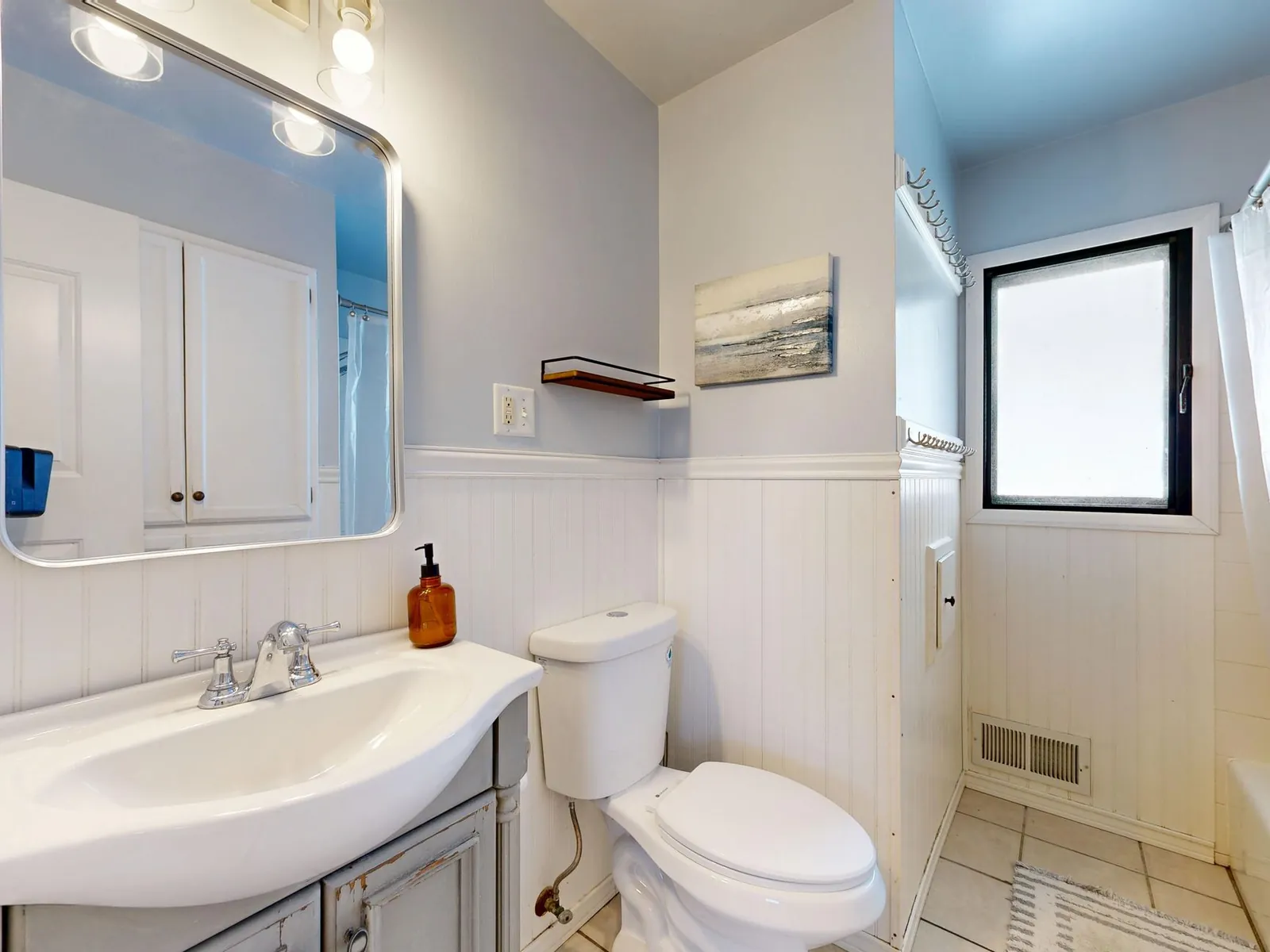
Comparing Popular Bathroom Paints
| Paint Brand & Type | Finish | Price per Gallon | Mildew Resistant | Best For |
|---|---|---|---|---|
| Sherwin-Williams Duration | Satin | $35–$40 | Yes | Walls; good durability |
| Benjamin Moore Aura | Satin/Semi-Gloss | $50–$60 | Yes | Premium finish; low odor |
| Sherwin-Williams ProClassic | Semi-Gloss | $45–$55 | Yes | Trim; maximum moisture barrier |
| Behr Premium Plus Ultra | Satin | $25–$32 | Yes | Budget-conscious; solid performance |
| Valspar Signature | Satin | $28–$35 | Yes | Mid-range; good coverage |
| Rust-Oleum Painter’s Touch | Semi-Gloss | $6–$10 | No | Small touch-ups only; not recommended for full bathroom |
Our verdict
For most homeowners, Sherwin-Williams Duration or Benjamin Moore Aura in satin finish offers the best balance of durability, appearance, and cost. If you have chronic moisture issues, spend the extra $10–$15 per gallon on a moisture-barrier formula like ProClassic or Aura. Budget-conscious painters should choose Behr Premium Plus Ultra, which performs well at $25–$32 per gallon.
Preparation and Application
Prep work determines how long bathroom paint lasts more than the paint brand does. Start by scrubbing any existing mold with a bleach solution—one part bleach to three parts water—and let the surface dry completely. Patch holes with a spackling compound rated for damp areas.
Prime bathroom walls with a moisture-blocking primer, not standard primer—it prevents water from wicking into drywall and extends the life of your paint job by years.
A moisture-blocking primer costs $25–$35 per gallon and is the most commonly skipped step in bathroom repaints. Don’t skip it on bare drywall or anywhere with a history of water damage.
Apply two coats of paint. Wait the full recoat window between them—usually 4–8 hours, longer in high humidity. Use a quality angled brush for trim and a roller for walls; cheap brushes shed bristles mid-stroke and leave streaks that show on glossy finishes. Run the exhaust fan continuously for at least 48 hours after the final coat, and avoid showering in the room for 3–5 days.
Budget Breakdown for a Typical Bathroom
A 5×8-foot bathroom has roughly 200 square feet of paintable wall surface. DIY costs typically break down like this:
- Paint: Two gallons of quality bathroom paint at $30–$50 per gallon = $60–$100
- Primer: One gallon of moisture-blocking primer = $25–$35
- Supplies: Brushes, rollers, tape, drop cloth = $30–$50
- Total: $115–$185
Professional painters charge $400–$800 for the same bathroom, depending on local labor rates and surface condition.
Maintenance After Painting
Quality bathroom paint lasts 5–7 years with reasonable care. Run the exhaust fan during every shower and for 30 minutes after. Wipe walls down monthly with a damp cloth to prevent soap scum from bonding to the finish. Tackle any mold spots immediately with diluted bleach—the longer they sit, the deeper they penetrate.
If paint starts peeling or bubbling before the five-year mark, moisture is getting behind the film. Improve ventilation or check for a slow plumbing leak before repainting, or the new coat will fail the same way.
Frequently asked questions
Can I use regular interior paint in a bathroom?
Technically yes, but it will fail within 1–2 years. Regular paint lacks mildew inhibitors and moisture-resistant resins, so it peels, blisters, and encourages mold growth. Always use paint specifically formulated for bathrooms or kitchens.
Do I need to prime bathroom walls before painting?
Yes, always prime. Use a moisture-blocking primer on bare drywall or any area with water damage history. Primer seals the substrate and helps paint adhere properly. Skipping primer is the most common reason bathroom paint fails.
Is semi-gloss or satin better for bathrooms?
Semi-gloss is more moisture-resistant and easier to clean, making it ideal for tub surrounds and trim. Satin looks softer and hides imperfections better, working well for main wall surfaces. Many homeowners use both—semi-gloss on high-moisture areas, satin elsewhere.
How long does bathroom paint last?
Quality bathroom paint lasts 5–7 years with good ventilation and maintenance. Poor ventilation, high humidity, or cheap paint can reduce this to 2–3 years. Mold or water damage will shorten lifespan significantly.
What’s the best way to prevent mold on painted bathroom walls?
Use mildew-resistant paint, run exhaust fans during and after showers, wipe down walls monthly, and fix any plumbing leaks immediately. Paint alone won’t stop mold—ventilation and moisture control are equally important.

Ellen has renovated three houses, killed more seedlings than she admits, and writes about both.