This article may contain affiliate links. If you buy through them we may earn a commission at no extra cost to you.
‘Early Girl’ and ‘Sweet 100’ are the two varieties I hand to first-time growers without hesitation. Both tolerate inconsistent watering, resist the most common diseases, and produce well under ordinary home-garden conditions. Everything below explains why—and when a different variety might serve you better.
Why Variety Matters for New Growers
Tomatoes bred for commercial shipping prioritize tough skin and shelf life over flavor or resilience. Others are suited to specific humid-climate diseases, or simply need more fussing than a beginner has time for. Picking the wrong one doesn’t mean you failed at gardening—it means you grew the wrong plant.
Disease resistance codes on seed packets are worth learning. ‘VF’ means the variety resists verticillium and fusarium wilt; ‘N’ adds nematode resistance; ‘TSWV’ covers tomato spotted wilt virus. In humid regions—the Southeast, Pacific Northwest, much of the Mid-Atlantic—a plant without these codes can collapse by August regardless of how well you tend it.
Determinate vs. Indeterminate: Which Should You Grow?
Determinate (Bush) Tomatoes
Determinate varieties grow to a fixed height—usually 3–4 feet—set most of their fruit within a two-to-three-week window, then stop. That concentrated harvest is ideal if you want to can a big batch of sauce in one go. They’re also naturally compact, which makes them the practical choice for containers and small beds.
Indeterminate (Vining) Tomatoes
Indeterminate types grow continuously until frost, reaching 6–8 feet or taller. They produce fruit steadily from mid-summer through September, so you get a steady supply for fresh eating rather than one big glut. The trade-off is real: they need sturdy caging or staking and benefit from regular pruning. Learn how to stake tomato plants properly before you plant one.
Determinates give you one big harvest; indeterminates give you tomatoes all summer—pick based on what you actually want to do with them.
Best Determinate Varieties for Beginners
Early Girl
‘Early Girl’ matures in 50–62 days—faster than almost any other slicing tomato—so you’ll harvest ripe fruit before most of your neighbors do. Plants stay compact at 3–4 feet, produce medium-sized red fruits in the 4–6 oz range, and tolerate cool spring soil better than most varieties. Flavor is solid rather than spectacular. It carries VF resistance, costs $2–3 per packet, and is stocked at virtually every garden center in the country. Plant it if you’re in a short-season zone or simply impatient.
Roma
‘Roma’ is the standard paste tomato for a reason. It grows 3–4 feet tall, produces oblong 2–3 oz fruits with thick, meaty walls and low moisture—exactly what you want for sauce or paste. It’s rated VFN, handles heat without dropping flowers, and stores a week longer on the counter than slicing types. Flavor is tangy and concentrated rather than fresh and bright. I grow it every year for late-summer sauce-making. At 75–80 days to maturity it’s slower than ‘Early Girl’, but if preserving tomatoes is the goal, nothing beats it at this price point.
Bush Early
At 18–24 inches tall, ‘Bush Early’ is the right call for a 5-gallon patio pot or a very small raised bed. It matures in about 60 days and produces small red fruits reliably with minimal fuss. Flavor is average—don’t grow it for taste. Grow it because it fits where nothing else will.
Best Indeterminate Varieties for Beginners
Sweet 100
‘Sweet 100’ is an indeterminate cherry tomato that produces clusters of 1-inch, intensely sweet red fruits from mid-summer until the first hard frost—often 3+ months of harvest from a single plant. The vines are vigorous and carry VFN resistance. Fruits rarely crack, even after rain. At peak season expect 1–2 pounds per week per plant. Kids pick them straight off the vine and rarely make it inside.
Sungold
‘Sungold’ is an indeterminate cherry with golden-orange fruits and a flavor that routinely surprises people who think they don’t like tomatoes—tropical-sweet with low acidity. It matures in 70 days and produces prolifically. Two real downsides: the skin splits more readily than ‘Sweet 100’ in wet weather, and seed packets run $3–5 versus $1–2 for most cherry types. Consistent watering and good drainage solve the cracking problem. If you can manage those two things, it’s worth the extra cost.
Brandywine
‘Brandywine’ is a classic heirloom indeterminate with large 8–12 oz pink fruits and a rich, complex flavor that most hybrids can’t match. It’s also slower (75–85 days), carries no disease resistance ratings, and struggles in humid or wet summers. I’d skip it your first season. Grow ‘Early Girl’ or ‘Sweet 100’ first, succeed, then come back to ‘Brandywine’ when you have a season of experience behind you.
Cherry and Cocktail Tomatoes (Easiest for Snacking)
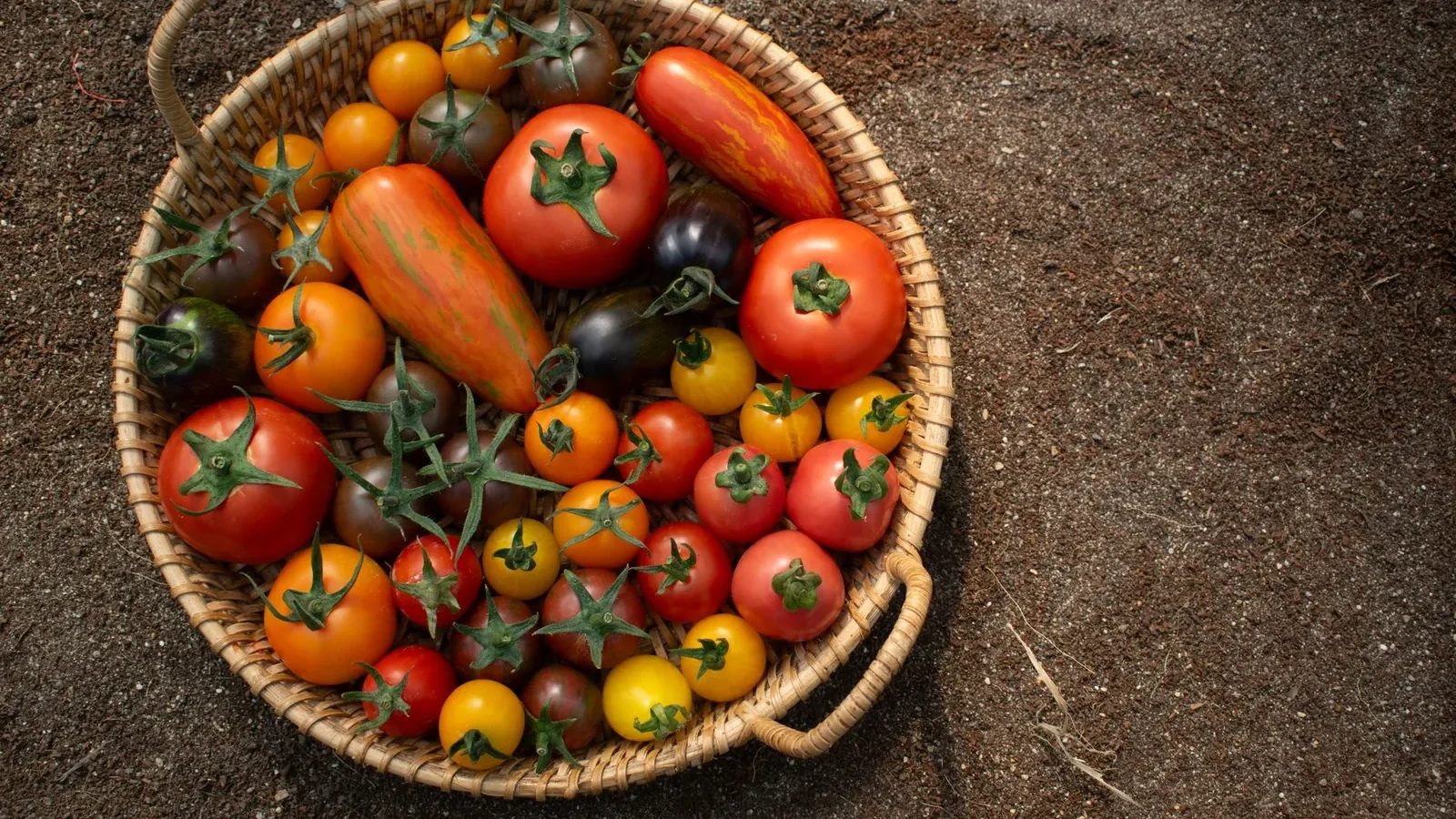
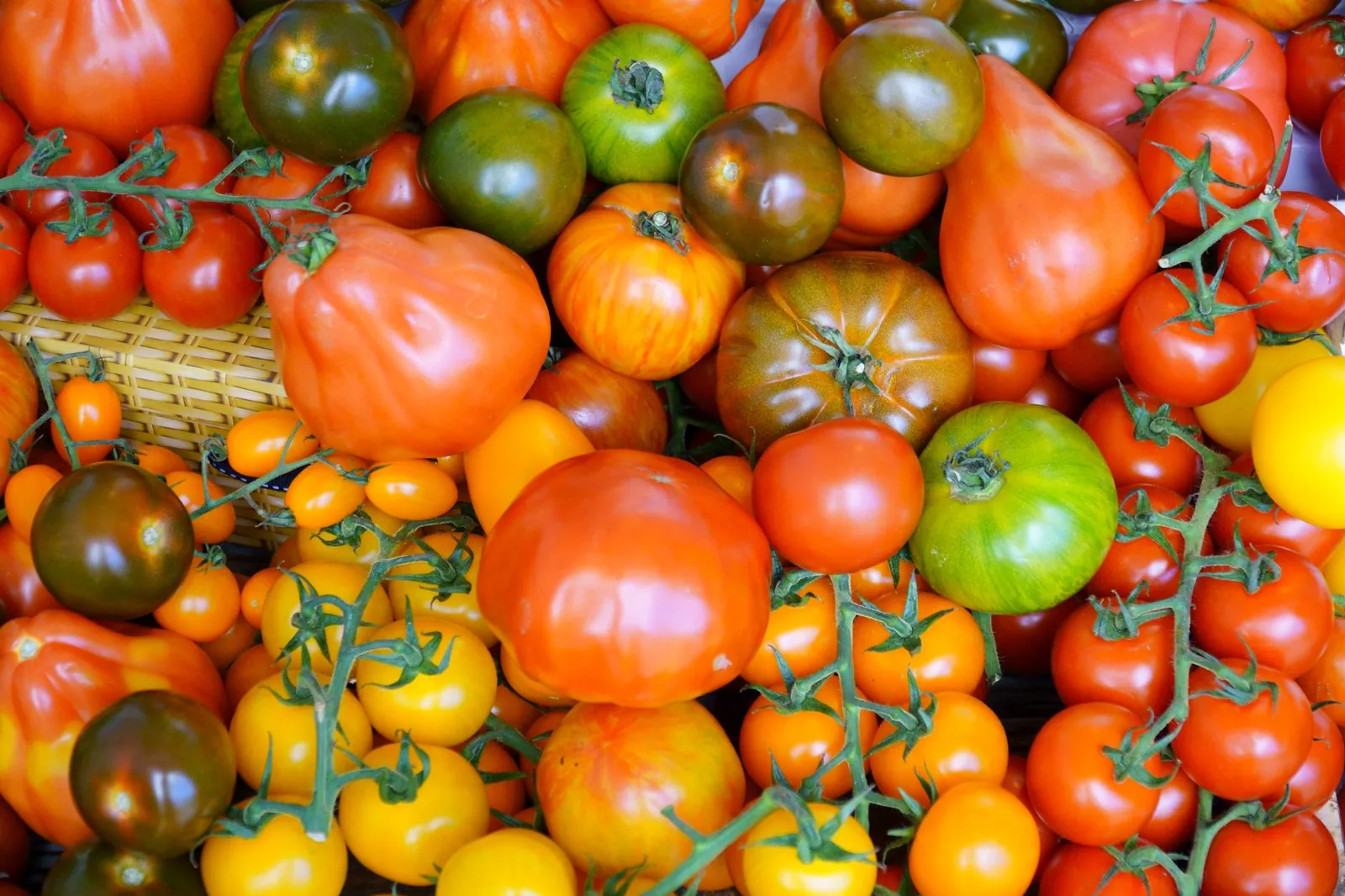
‘Sweet 100’ and ‘Sungold’ are the top picks, but two others are worth knowing. ‘Black Cherry’ is an indeterminate with dark purple-red fruits and a richer, almost smoky flavor—less sweet than ‘Sweet 100’, more complex. ‘Sun Sugar’ is close to ‘Sungold’ in flavor but matures 5–7 days earlier, which matters in short-season climates. All four are vigorous, disease-resistant, and heavy producers. Any of them will outperform a slicing tomato for sheer ease in a beginner’s first garden.
Quick Reference Table
| Variety | Type | Days to Mature | Height | Fruit Size | Best For | Disease Resistance |
|---|---|---|---|---|---|---|
| Early Girl | Determinate | 50–62 | 3–4 ft | 4–6 oz | Impatient growers, short seasons | VF |
| Roma | Determinate | 75–80 | 3–4 ft | 2–3 oz (oblong) | Sauce, paste, preserving | VFN |
| Bush Early | Determinate | 60 | 18–24 in | 2–3 oz | Containers, small spaces | None listed |
| Sweet 100 | Indeterminate | 70 | 6–8 ft | 1 oz (cherry) | Prolific snacking, extended harvest | VFN |
| Sungold | Indeterminate | 70 | 6–8 ft | 1 oz (cherry) | Premium flavor, snacking | V |
| Brandywine | Indeterminate | 75–85 | 6–8 ft | 8–12 oz | Flavor-focused, warm dry climates | None listed |
Our verdict
Start with ‘Early Girl’ if you want slicing tomatoes fast, or ‘Sweet 100’ if you want a long season of fresh eating with almost no drama. Both are forgiving, productive, and genuinely tasty. After one successful season, branch out to ‘Sungold’, ‘Roma’, or ‘Brandywine’—in that order.
Timing and Setup
Check when to plant tomatoes in your zone before you buy anything. Cold soil below 60°F stunts transplants and can set a plant back by two to three weeks. Start seeds indoors 6–8 weeks before your last expected frost, or buy transplants and harden them off over 7–10 days before planting outside.
Full sun means at least 6–8 hours of direct light daily—fewer than 6 hours and fruit production drops noticeably. Space plants 24–36 inches apart in soil amended with 2–3 inches of compost. Water deeply and consistently; swinging between dry and saturated is the main cause of blossom-end rot and skin cracking. A 2-inch layer of straw or wood-chip mulch around the base keeps soil moisture stable between waterings.
Frequently Asked Questions
Can I grow tomatoes in containers?
Yes, with the right pot size. Determinate and cherry varieties need at least 5 gallons; large indeterminates do better in 10 gallons or more. Use quality potting mix—not garden soil, which compacts and drains poorly in pots. ‘Bush Early’, ‘Patio’, and ‘Sweet 100’ all perform well in containers. Expect to water daily in hot weather, since pots dry out two to three times faster than in-ground beds.
How much does it cost to grow tomatoes from seed vs. buying transplants?
A seed packet runs $1–3 and contains 20–50 seeds. Garden-center transplants cost $2–5 each. If you’re growing 2–3 plants, buy transplants and skip the setup cost. If you’re growing 10 or more, seeds pay off—but factor in seed-starting trays ($10–15), a heat mat ($25–40), and grow lights ($30–60) if you’re starting indoors without a sunny south-facing window.
What’s the difference between hybrid and heirloom tomatoes?
Hybrids like ‘Early Girl’ and ‘Sweet 100’ are bred for disease resistance, consistent yield, and predictable performance. Heirlooms like ‘Brandywine’ are open-pollinated varieties saved across generations—often with superior flavor but little or no disease resistance and more variable results season to season. Hybrids are the reliable choice for a first garden; heirlooms are worth trying once you know what normal looks like.
Do I need to prune tomatoes?
Determinate varieties need minimal pruning—remove obviously dead or diseased leaves and leave the rest alone. Indeterminate types benefit from pinching out suckers (the shoots that emerge between the main stem and a branch) to direct energy into fruit rather than foliage. That said, skipping it your first year won’t ruin your harvest. You’ll still get fruit; the plant will just be bushier and harder to stake.
Why are my tomato plants flowering but not setting fruit?
Three causes cover most cases: night temperatures below 55°F or daytime highs above 90°F (both prevent pollen from functioning), excess nitrogen from over-fertilizing (pushes leaf growth at the expense of fruit), or inconsistent watering. Keep soil evenly moist, hold off on high-nitrogen fertilizer once flowers appear, and wait—fruit set usually improves once temperatures stabilize in the 65–85°F range.

Ellen has renovated three houses, killed more seedlings than she admits, and writes about both.