This article may contain affiliate links. If you buy through them we may earn a commission at no extra cost to you.
Sow carrot seeds ¼ inch deep in loose, rock-free soil, keep the seedbed moist for up to three weeks until they sprout, and thin ruthlessly once seedlings reach 2 inches tall. Most varieties are ready to pull in 50–80 days. The steps below walk through everything from picking a variety to storing the harvest.
Choose Your Carrot Variety and Timing
Variety choice comes down to your soil and your season. Nantes and Chantenay types top out at 6–7 inches and tolerate shallow or clay-heavy beds. Imperator varieties run 8–10 inches and need deep, loose soil to develop properly. Round types like Paris Market max out at 2 inches across and are the best option for containers or compacted ground.
Sow directly into the garden 2–3 weeks before your last spring frost, or in midsummer for a fall crop. Carrots tolerate light frost and taste noticeably sweeter after one, so fall harvests often beat spring ones on flavor. In zones 9–11, sow in autumn for a winter harvest instead.
I sow in early April and again in mid-July, which gives me two harvests most years. Check your seed packet for days to maturity before you plan your second sowing—a 75-day variety started July 15 needs to finish before a mid-October frost.
Prepare the Soil
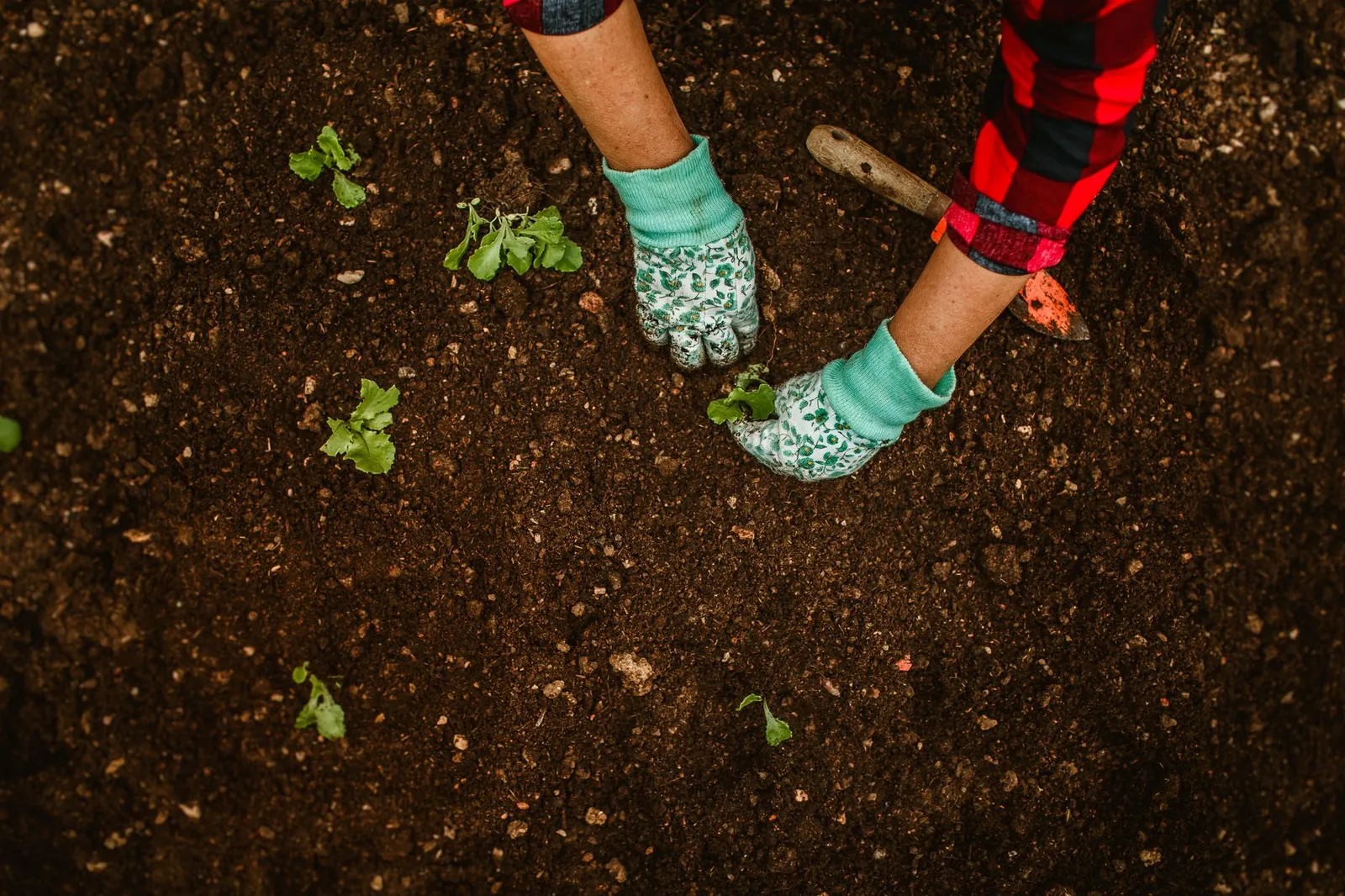
Loose, crumbly soil is non-negotiable. Forked and twisted carrots are almost always caused by rocks, clods, or compaction underground—the root hits an obstacle and grows around it.
Depth and amendments
Work 2–3 inches of compost or aged manure into the top 8–12 inches of soil. Short Nantes and Chantenay types need 6–8 inches of loose soil; Imperator varieties need a full 12 inches. If your native soil is dense clay, a raised bed 10–12 inches deep filled with 50% compost, 30% topsoil, and 20% perlite or coarse sand solves the problem permanently. Remove rocks and sticks by hand or with a garden fork before sowing—don’t skip this step.
pH and fertility
Carrots prefer a pH of 6.0–6.8. A basic soil test kit ($10–$15 at most garden centers) tells you where you stand. Avoid fresh manure—it causes forking. If your soil is genuinely poor, work in a balanced slow-release fertilizer (5-5-5) before planting. Carrots are light feeders; rich soil prep before sowing beats mid-season fertilizing every time.
Sow Seeds Directly
Carrot seeds are tiny and germinate slowly—10 to 21 days under good conditions. The seedbed has to stay consistently moist that entire time, which is the single hardest part of growing carrots.
Sowing method
Rake the bed smooth and water it thoroughly the day before sowing. Draw a shallow furrow about ¼ inch deep, then sprinkle seeds thinly along it. I mix carrot seeds with dry sand at roughly 1 part seed to 3 parts sand—it slows the pour, spreads seeds more evenly, and shows me where I’ve already sown. Cover with a thin layer of fine compost or seed-starting mix rather than garden soil, which tends to crust over and block sprouting. Water gently with a misting nozzle or fine-rose watering can.
Keep the seedbed moist but not waterlogged until seedlings emerge. A single dry spell during germination can kill the whole batch. In hot, dry weather I lay a single sheet of burlap over the bed and water through it, removing it the moment I see the first shoots.
Thinning
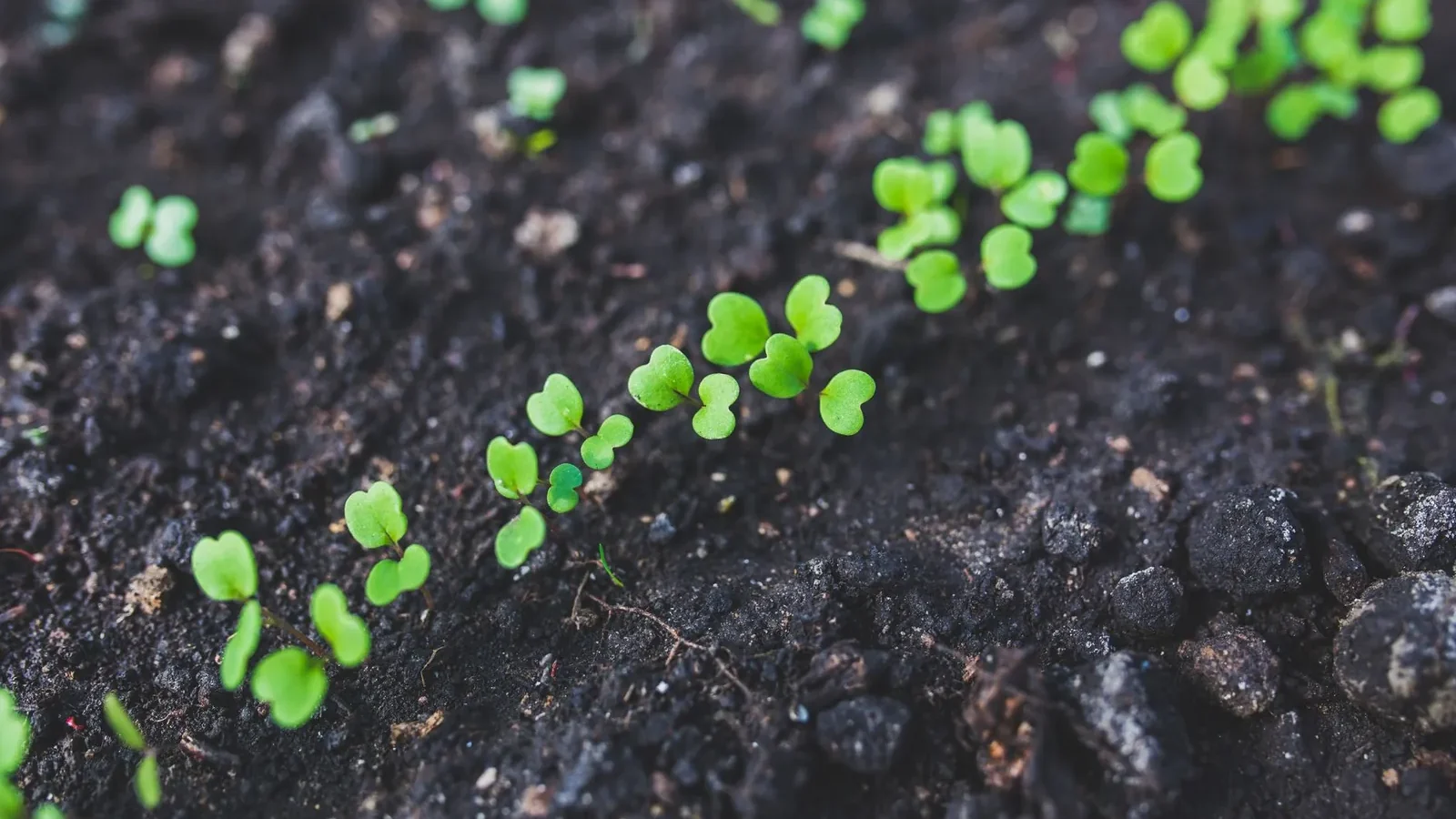
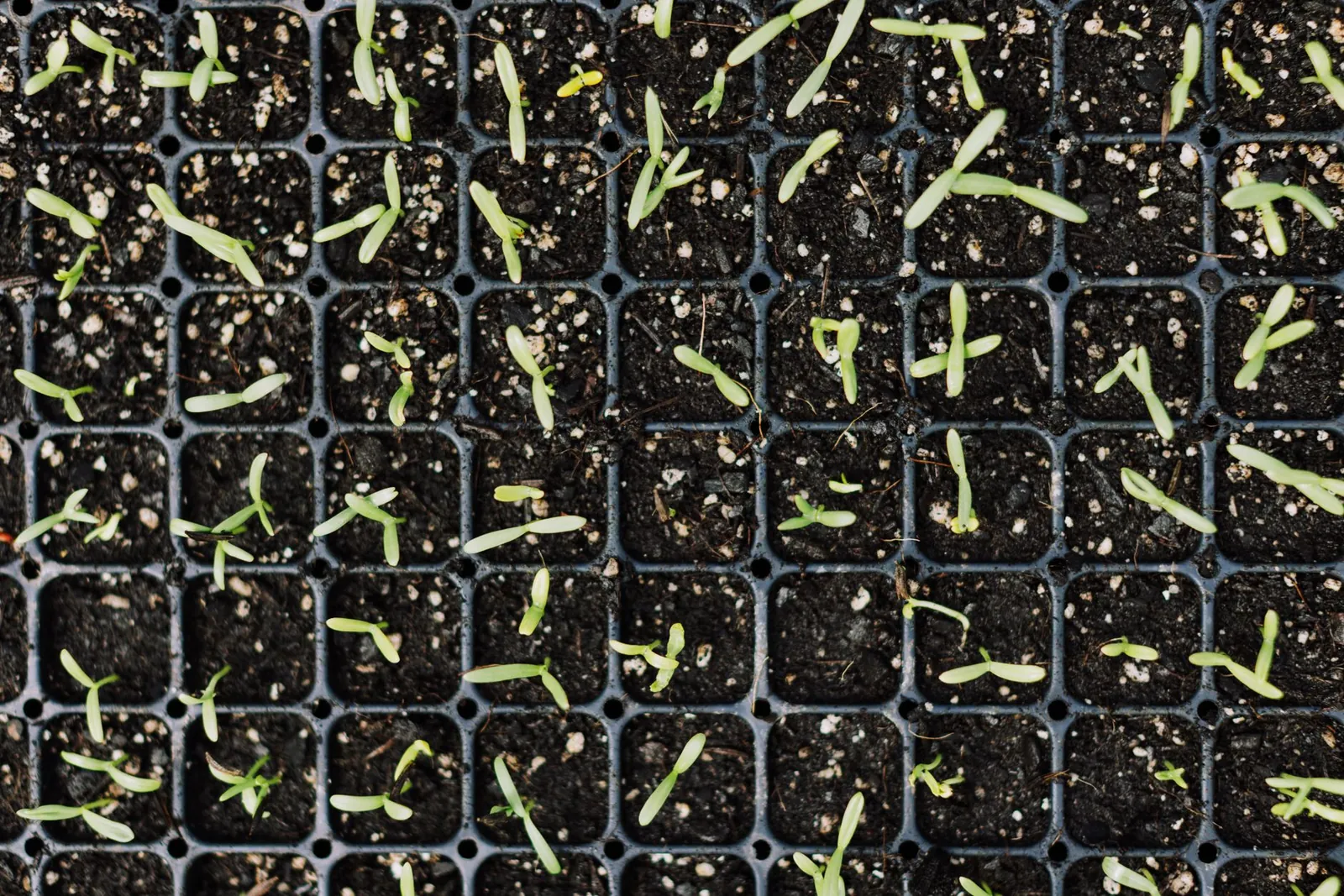
Once seedlings reach 2 inches tall, thin them in two stages. First, reduce to 1 inch apart. When they hit 4 inches, thin to final spacing: 2–3 inches for full-sized carrots, 1 inch for baby carrots. Pinch at soil level rather than pulling—pulling disturbs the roots of neighboring seedlings. The thinned greens go straight into a salad.
Crowded carrots stay pencil-thin and woody no matter how long you leave them in the ground. Thinning feels wasteful the first time; after your first proper harvest, it won’t.
Water Consistently
Aim for 1–1.5 inches of water per week from rain or irrigation. Inconsistent moisture—wet, then dry, then wet again—causes roots to crack and can make them bitter. Deep, infrequent watering (soaking to 6–8 inches once or twice a week) builds stronger roots than a daily light sprinkle.
Mulch with 1–2 inches of straw or shredded leaves after thinning. It holds moisture, moderates soil temperature, and keeps the carrot shoulders from greening up where they poke above the soil. Avoid grass clippings, which mat down and trap excess moisture against the crown.
Thin carrots early and ruthlessly; crowded carrots never size up, no matter how long you wait.
Manage Pests and Disease
Carrot rust flies are the most common pest in most North American and European gardens. The adult lays eggs near seedlings; larvae tunnel into roots, leaving rusty brown trails. Root-knot nematodes cause stunted, gnarled growth and are more prevalent in sandy soils in warm climates.
- Row covers: Lightweight floating fabric draped over seedlings for the first 6 weeks blocks rust flies completely—they can’t reach soil to lay eggs. Remove once plants are established and the main egg-laying window has passed.
- Crop rotation: Avoid growing carrots (or other Apiaceae like parsley and parsnips) in the same bed two years running, especially if nematodes have been a problem.
- Affected plants: Pull and bin them—don’t compost roots that show tunneling or galling.
Interplanting with onions or garlic is often recommended as a rust fly deterrent. In my experience the effect is inconsistent, but it doesn’t hurt and makes good use of bed space.
Fertilize Lightly
If you amended the soil well before planting, mid-season feeding is rarely needed. Excess nitrogen is the main risk—it produces hairy, forked roots and excessive top growth at the expense of the carrot itself. If plants look pale or stunted by mid-season, a light side-dressing of balanced fertilizer (10-10-10) or a thin band of compost worked in 2 inches from the crown is enough. Water it in immediately.
Harvest When Ready
You can pull carrots as soon as they reach finger-thickness—typically 4–6 weeks after thinning—or leave them to reach full size. To check, scrape a little soil away from the crown; if the diameter looks right, it’s ready. Don’t rely on the greens as a size indicator.
Loosen the soil with a garden fork before pulling to avoid snapping the root. In well-amended raised beds they often slide out by hand. In cold climates, harvest before a hard freeze (below 28°F). In mild zones, carrots can overwinter in the ground and be pulled as needed.
Store harvested carrots in the fridge crisper at 32–40°F for up to 3 weeks, or just above freezing in a root cellar for several months. Twist or cut the green tops off first—they pull moisture from the root and shorten storage life significantly.
Frequently asked questions
Can I start carrot seeds indoors?
Carrots develop a taproot almost immediately after germination, and transplanting damages it. Direct sowing is strongly preferred. If you must start indoors, use cell packs at least 3 inches deep and transplant at the 2-leaf stage with minimal root disturbance. Most gardeners who try indoor starting once switch to direct sowing for good.
How long do carrot seeds stay viable?
Stored below 50°F and below 50% humidity in an airtight container, carrot seeds stay viable for 3–4 years. After that, germination rates drop noticeably. The refrigerator works well; the freezer is better for multi-year storage.
Why are my carrots small and forked?
Small carrots almost always mean overcrowding—thin more aggressively and earlier. Forked or twisted roots hit rocks or compacted soil; loosen the bed deeper, remove debris, and amend with compost before the next sowing. Some varieties are naturally compact, so check the seed packet before assuming something went wrong.
Can I grow carrots in containers?
Yes, with the right container. Use a pot at least 10–12 inches deep for Nantes and Chantenay types, deeper for Imperators. Fill with a loose, well-draining potting mix—not garden soil, which compacts. Container carrots dry out faster than in-ground ones, so check moisture daily in warm weather. Paris Market and other round varieties are the easiest container option.
What’s the best time to sow carrots for a fall harvest?
Count back 10–12 weeks from your first expected frost date. If frost typically arrives around October 15, sow by July 15. Fall carrots often taste sweeter than spring ones because cool nights slow the conversion of sugars. In zones 8 and warmer, a late-September sowing produces a harvest through winter.

Ellen has renovated three houses, killed more seedlings than she admits, and writes about both.