This article may contain affiliate links. If you buy through them we may earn a commission at no extra cost to you.
The short answer: tomatoes want basil and carrots nearby; beans want corn and squash; fennel wants to be alone. A companion planting chart maps these relationships so you can plan beds that work together instead of against each other. Below is a full reference chart, the reasoning behind the key pairings, and a practical method for putting it to use in a real garden.
How Companion Planting Works
Plants affect their neighbors in four concrete ways. Some attract beneficial insects—hoverflies and parasitic wasps—that prey on aphids and caterpillars. Others release root compounds that slow a neighbor’s growth (fennel is the most aggressive example). Deep-rooted plants pull minerals up from lower soil layers, making them available to shallow-rooted companions above. And dense, low-growing plants shade the soil, cutting weed germination and slowing moisture loss.
The best pairings stack two or more of these effects. A tomato beside basil and marigold gets pest deterrence from the basil, a whitefly trap from the marigold, and no root competition because all three feed at different depths. That’s not folklore—it’s why that trio keeps showing up in every companion planting guide written in the last fifty years.
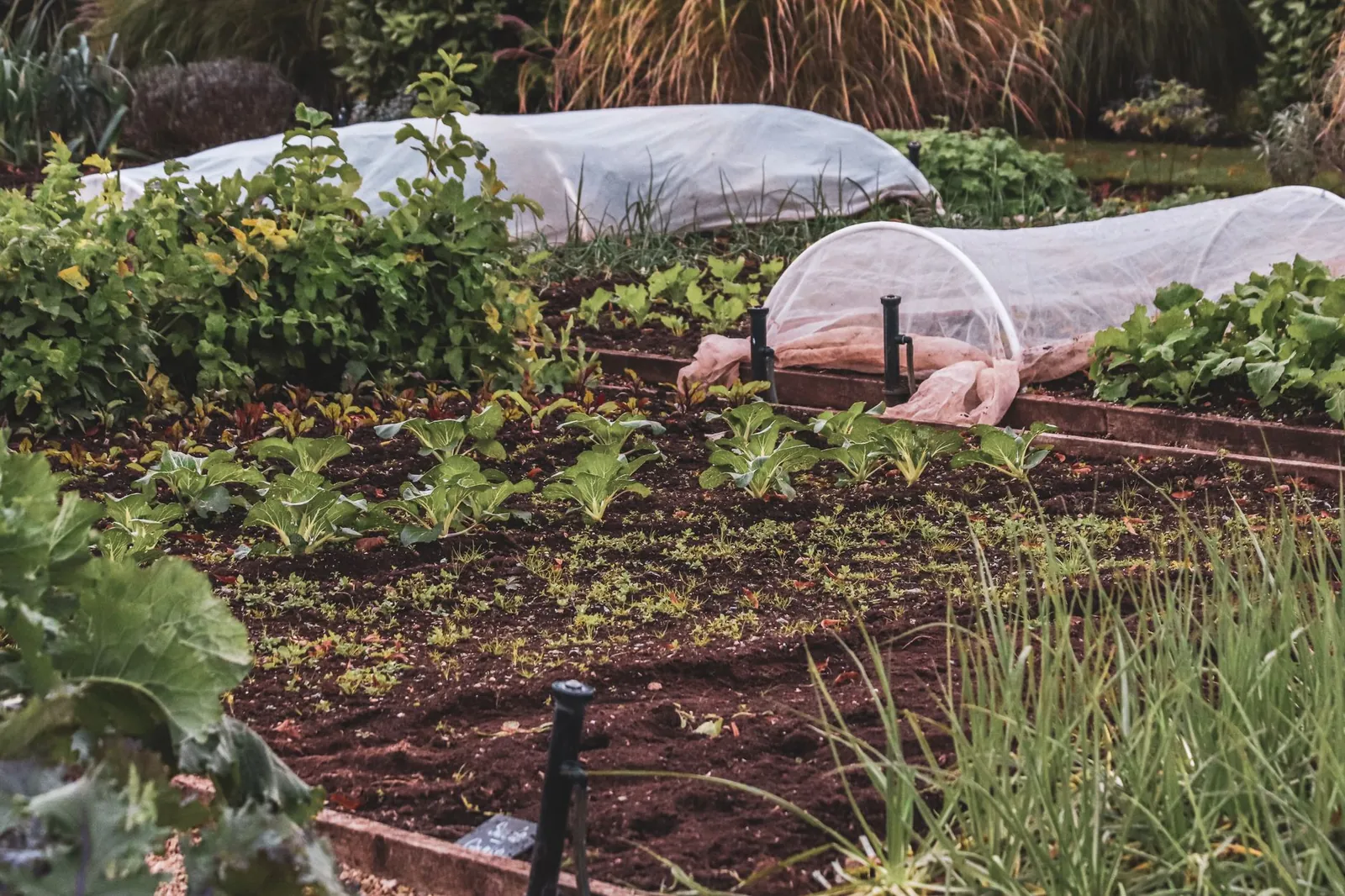
Classic Companion Pairs and Their Benefits
Tomatoes
Basil repels whiteflies and spider mites; carrots occupy a different soil depth so there’s no nutrient competition. Parsley and onions round out the bed. Keep tomatoes away from any brassica and away from fennel, which releases a compound that stunts tomato growth noticeably within a single season.
Beans and Peas
Legumes fix atmospheric nitrogen through root bacteria, leaving 20–30% more available nitrogen in the soil for whatever follows them. Plant beans near corn (which doubles as a trellis), squash, and cucumbers. Onions and garlic both slow bean growth—keep them on opposite ends of the bed.
Cucumbers
Radishes planted at the base of cucumber vines deter cucumber beetles by mid-June, before beetle populations peak. Nasturtiums on the bed edge trap aphids before they reach the cucumbers. Avoid sage, rosemary, and other strongly aromatic Mediterranean herbs—they inhibit cucumber growth, likely through volatile oil release.
Leafy Greens
Lettuce, spinach, and chard tolerate partial shade, which makes them useful under taller plants like tomatoes or staked peppers. They mature fast enough—most lettuce varieties in 45–60 days—to be harvested before the canopy closes. Chives and garlic nearby deter aphids and leaf miners.
Brassicas
Thyme and chamomile interplanted with cabbage and broccoli disrupt the scent trails cabbage moths use to find host plants. Onions and garlic reinforce that effect. Tomatoes and pole beans are the main crops to keep away—both compete poorly with brassicas and share some pest vulnerabilities that make problems worse.
Root Vegetables
Onions repel carrot rust fly reliably; alternating rows of carrots and onions is one of the oldest companion planting practices in British kitchen gardens. Beets, parsnips, and carrots share space well with shallow-rooted greens above them because their feeding zones don’t overlap. Avoid dill near carrots—they’re in the same plant family and compete for the same soil nutrients.
Squash and Zucchini
The Three Sisters planting—corn, beans, squash—is a centuries-old system from Indigenous North American agriculture. Corn provides structure, beans fix nitrogen, and squash leaves shade the soil enough to suppress weeds and retain moisture through July and August. Nasturtiums planted at the corners trap squash bugs before they establish. Keep squash away from cucumbers; they share diseases, and planting them together concentrates risk.
Peppers
Peppers and tomatoes share similar companions: basil for pest deterrence, onions for ground-level protection, spinach to fill gaps without competing. Fennel and kohlrabi both inhibit pepper growth—fennel through root chemistry, kohlrabi through aggressive lateral root competition.
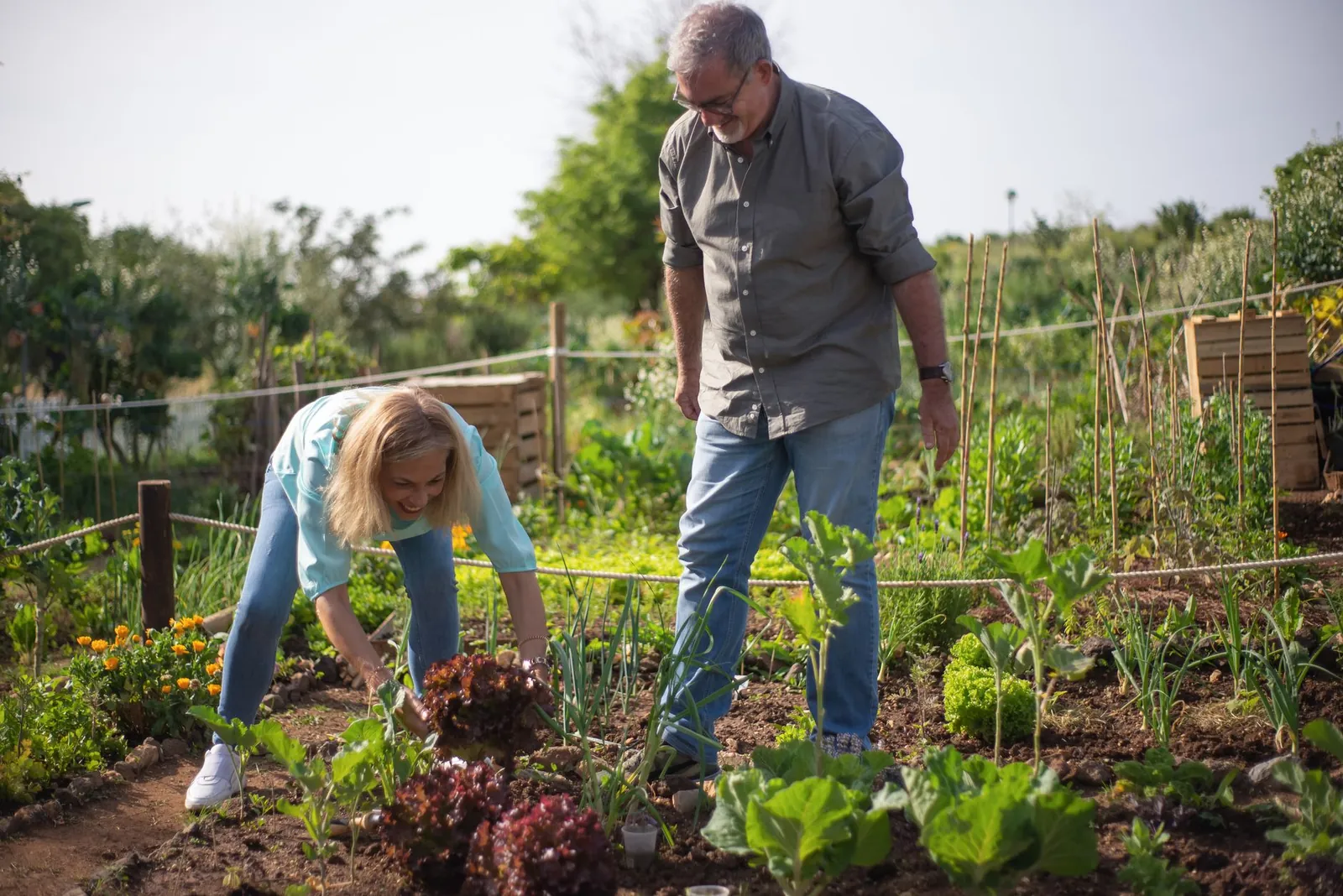
Vegetables to Keep Separate
Fennel is the most problematic plant in a mixed vegetable garden. It inhibits tomatoes, peppers, beans, and most brassicas. If you grow it, give it its own container or an isolated corner at least 3 feet from other beds. Black walnut trees create a similar problem at larger scale—the juglone they release through roots and decomposing leaves suppresses most vegetables within a 50-foot radius.
Other combinations to avoid:
- Onions and garlic near beans or peas (stunted growth, reduced yields)
- Brassicas near tomatoes (mutual growth suppression)
- Squash and cucumbers in the same bed (shared disease vectors, especially powdery mildew)
- Two heavy feeders—corn and squash, for example—without heavy compost amendment between seasons
Plant deep-rooted vegetables beside shallow-rooted ones to use soil layers efficiently and reduce competition for water and nutrients.
Quick Reference: Companion Planting Chart
| Vegetable | Good Companions | Avoid | Why It Works |
|---|---|---|---|
| Tomato | Basil, carrot, onion, parsley | Brassica, fennel | Basil repels pests; different root depths |
| Bean | Corn, squash, cucumber, pea | Fennel, onion, garlic | Fixes nitrogen; corn provides trellis |
| Cucumber | Bean, pea, corn, radish, nasturtium | Sage, rosemary, aromatic herbs | Radish deters beetles; nasturtium traps aphids |
| Lettuce | Beet, chard, carrot, onion, chive | Cabbage (space competition) | Shallow roots; matures before taller plants close the canopy |
| Cabbage | Thyme, chamomile, onion, garlic | Tomato, pole bean, fennel | Herbs disrupt cabbage moth scent trails |
| Carrot | Onion, garlic, lettuce, pea | Dill (same family, competes for nutrients) | Onion deters carrot rust fly |
| Squash | Bean, corn, pea, nasturtium | Cucumber (shared disease risk) | Three Sisters system; nasturtium traps squash bugs |
| Pepper | Basil, onion, spinach, tomato | Fennel, kohlrabi | Basil repels spider mites and whiteflies |
How to Use This Chart in Your Garden
Start with the two or three vegetables you grow most. Look each one up in the chart and identify one good companion and one crop to avoid. That’s enough to improve the bed without redesigning everything at once.
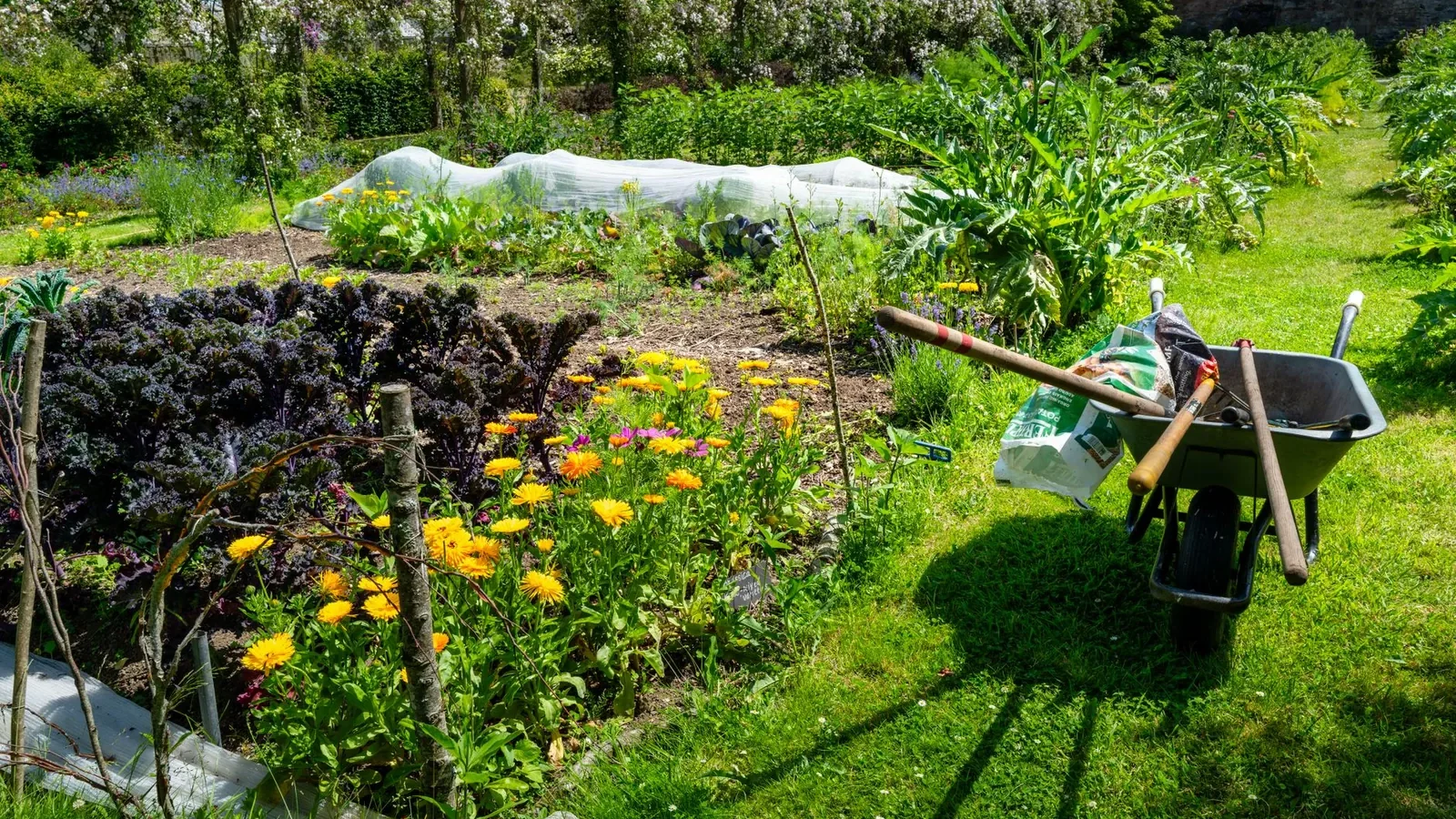
When you’re ready to plan a full bed, pair plants by root depth first—one deep-rooted anchor (tomato, squash, carrot) with one or two shallow-rooted fillers (lettuce, basil, spinach). Then add a pest-deterrent herb in any gap: basil, thyme, chives, and parsley all fit into 6-inch spaces and cost $2–$4 as transplants or less than $1 as seed packets. Put a nasturtium or marigold on the bed’s edge as a trap crop—pests congregate there instead of on your food plants.
For rotation, use the chart across seasons. Spring lettuce gives way to summer tomatoes; fall brassicas follow, with a legume cover crop over winter to rebuild the nitrogen the tomatoes used. Three years of that cycle and the soil improves measurably.
In my own garden, the difference shows up most clearly with tomatoes. Years when I plant them with basil and marigolds, whitefly damage is minor—a few leaves, nothing that affects yield. Years I skip it, spider mites are usually a problem by mid-July. The effort is ten minutes of planning and a few extra transplants. The payoff is real.
Frequently Asked Questions
Can I plant companions closer together to save space?
Yes, if they have different root depths or mature at different rates. Basil stays shallow and won’t compete with a tomato’s deep roots. Lettuce under tomatoes works because it’s ready to harvest in 45–60 days, before the tomato canopy closes. Two heavy feeders or two plants with similar root depths in the same tight space will compete and both suffer.
Do I have to follow a companion planting chart exactly?
No. Charts reflect what research and accumulated experience suggest works across many gardens. Your soil, local pest pressure, and microclimate will shift the results. Use the chart as a starting point, observe what actually happens in your beds, and adjust the following season.
How long do companion plants need to grow together to see results?
It depends on the benefit. Pest deterrence from basil or thyme works as long as both plants are actively growing. Nitrogen fixation by beans builds over 6–10 weeks and shows up most in the crop that follows. Trap crops like nasturtiums work best when they’re established before peak pest season—plant them at the same time as your main crop, not after problems appear.
What if I don’t have space for all these combinations?
Prioritize the two easiest wins: basil with tomatoes, and onions or garlic with brassicas. Add a nasturtium or marigold on one bed edge. Rotate crops each season so the same plant family doesn’t occupy the same spot two years running. Partial companion planting still reduces pest pressure and improves soil use—it doesn’t have to be all or nothing.
Are companion planting results guaranteed?
No. Companion planting reduces pest pressure and improves how plants share space and nutrients, but results depend heavily on soil fertility, watering consistency, and local pest populations. It works best alongside good soil preparation, crop rotation, and consistent moisture—not as a replacement for any of those.

Rob is a former carpenter who now explains home repairs so you only have to do them once.