This article may contain affiliate links. If you buy through them we may earn a commission at no extra cost to you.
Basil, mint, chives, and parsley are the most reliable herbs for indoor growing—harvestable in 20–70 days, manageable in 4–8 inch pots, and cheap enough to start for under $80. A south-facing windowsill works in summer; a $25–$50 LED grow light covers the rest of the year. Most setups pay for themselves within two to three months if you regularly buy fresh herb bunches at $3–$5 each.
Essential setup: light, soil, and containers
Light
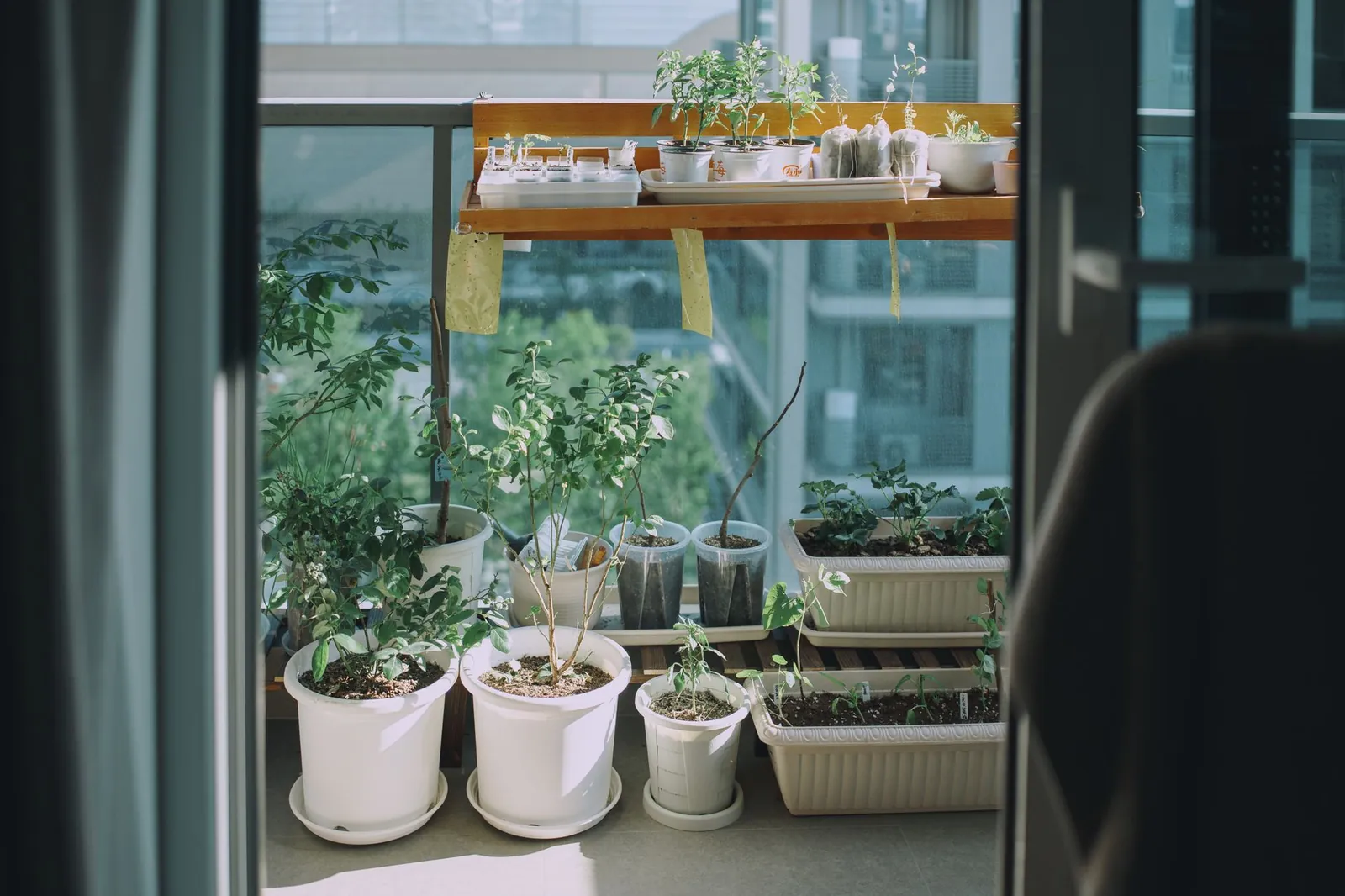
Most herbs need 12–16 hours of light daily. A south-facing window with 4+ hours of direct sun works from spring through early fall; north-facing windows alone produce weak, leggy plants. For consistent year-round results, a two-bulb T5 LED fixture ($25–$50) hung 6–12 inches above the plants solves the problem. I run mine on a timer at 14 hours daily—electricity runs about $2 per month.
Soil and drainage
Use a light potting mix, not garden soil. I blend equal parts peat moss (or coco coir) and perlite; the perlite keeps roots aerated and prevents the wet conditions that rot herb roots. Every container needs drainage holes—drill them if needed. A 4–6 inch pot suits most herbs; mint needs 8 inches because it spreads aggressively.
Containers and watering
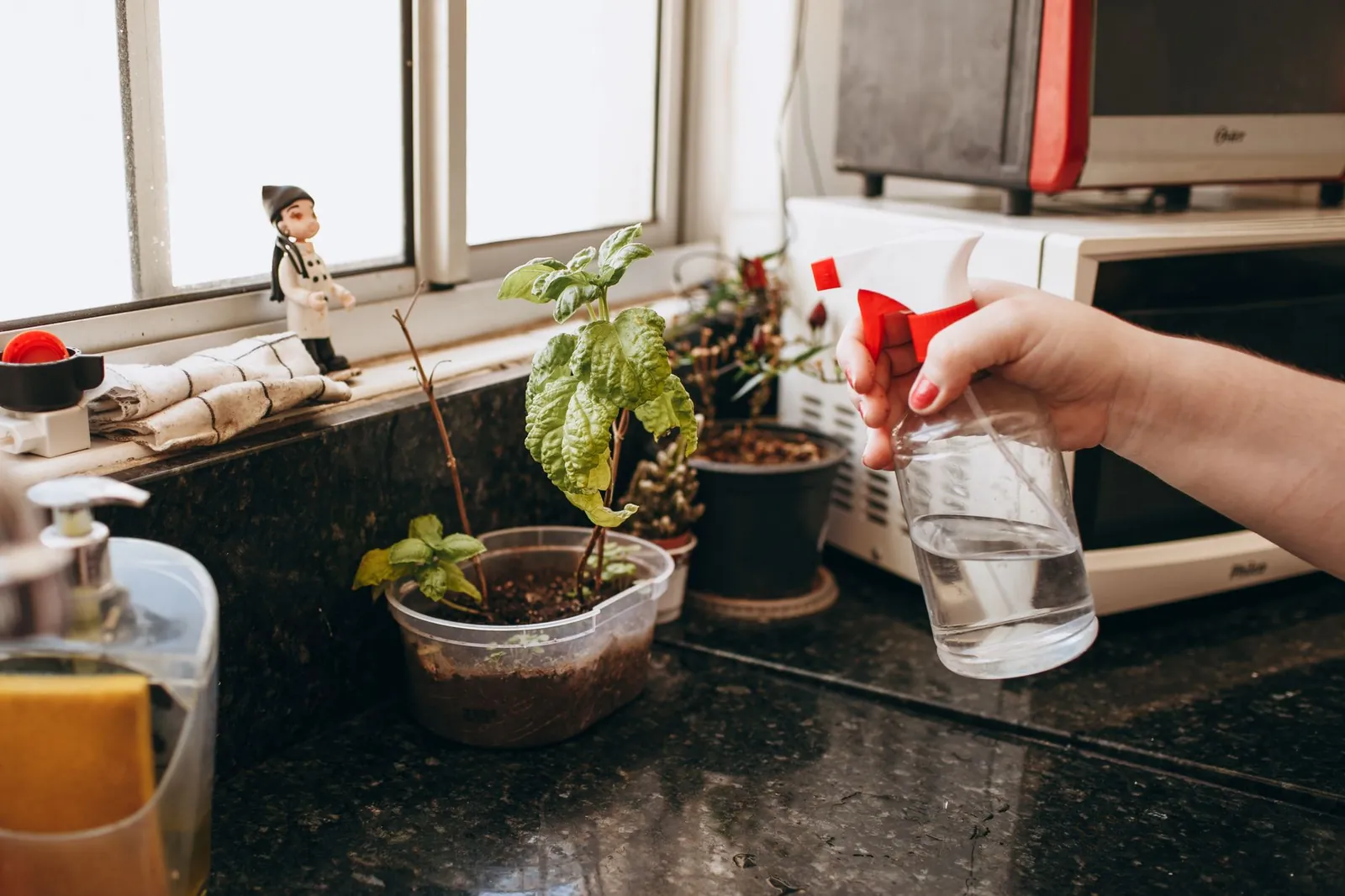
Terra cotta breathes but dries out in two days or less under grow lights. Plastic retains moisture longer and is more forgiving if you forget to water. Either works—what matters is checking the top inch of soil before watering. If it still feels damp, wait. Overwatering kills more indoor herbs than underwatering, and the symptoms look identical until it’s too late: yellowing leaves, soft stems, no recovery after watering.
Top herbs to grow indoors
| Herb | Light needed | Days to harvest | Container size | Best for |
|---|---|---|---|---|
| Basil | 12–16 hours | 20–30 | 4–6 inches | Pesto, pasta, quick harvests |
| Parsley | 10–12 hours | 50–70 | 6 inches | Garnish, soups, mild flavor |
| Mint | 10–14 hours | 30–40 | 8 inches | Tea, cocktails, aggressive grower |
| Chives | 10–12 hours | 40–50 | 4–6 inches | Onion flavor, perennial, low maintenance |
| Cilantro | 12–14 hours | 25–35 | 4–6 inches | Salsa, curries, bolts in heat |
| Oregano | 12–14 hours | 60–80 | 6 inches | Pizza, slow-growing, drought tolerant |
| Thyme | 12–14 hours | 60–80 | 4–6 inches | Stews, roasts, woody perennial |
| Dill | 12–16 hours | 35–45 | 6 inches | Fish, pickles, feathery leaves |
Basil: fastest payoff
Basil germinates in 5–10 days and reaches harvestable size in 20–30 days—faster than any other herb on this list. Pinch the top when it hits 6 inches to push energy into side branches rather than a single stem. One established plant yields enough for weekly pesto batches. Keep it above 60°F and away from cold drafts; a windowsill in January can drop below that threshold overnight.
Mint: the reliable spreader
Mint tolerates lower light than basil—10 hours is enough—and bounces back from heavy cutting within a week. The trade-off is its aggression: plant it in its own pot or it will crowd out everything else. I cut stems just above a leaf node and get new growth in 7–10 days. A single pot keeps two people in mint tea indefinitely.
Parsley and chives: slow but permanent
Both are perennials that take 6–8 weeks to produce harvestable leaves, then deliver for months or years with minimal attention. Chives tolerate partial shade better than most herbs and regrow from the base after each cut. Harvest outer leaves first on parsley, leaving the center crown intact. If you have permanent shelf space, these two earn it.
Seed vs. transplants: which to buy
Seeds cost $1–$2 per packet and yield multiple plants. Basil, cilantro, and dill germinate reliably indoors in seed-starting mix under grow lights. Oregano and thyme take 2–3 weeks to sprout and another 60–80 days to harvest—that’s where transplants earn their keep.
Nursery seedlings run $2–$4 each and skip the germination phase entirely, cutting time to first harvest to 1–2 weeks. I buy transplants for mint, chives, and oregano; the time savings justify the cost. For basil, I start from seed because it’s fast and I want four or five plants at once—five seed packets cost less than two transplants.
Pinch basil and mint regularly—harvesting actually makes them bushier and more productive, not less.
Seasonal care and common problems
Winter
Short days make grow lights essential rather than optional. Without supplemental light, herbs stretch toward the window, weaken, and produce sparse leaves. Indoor humidity also drops sharply in heated homes; set pots on a tray filled with pebbles and a shallow layer of water to raise humidity around the plants without letting roots sit in moisture.
Spring and summer
A south-facing window may be bright enough to skip the grow light. Watch for bolting in cilantro, dill, and basil—when days lengthen and temperatures climb above 75–80°F indoors, these herbs shift energy to flowering and stop producing usable leaves. Pinch off flower buds as soon as they appear to extend harvest by several weeks. Rotate pots a quarter turn every few days so plants grow upright rather than leaning toward the light source.
Common problems
Leggy, pale growth means insufficient light—move the plant closer to the window or increase grow-light hours. Yellowing throughout the plant (not just the lowest leaves, which shed naturally) points to overwatering; let the soil dry out before the next watering. Spider mites and whiteflies do occasionally find their way indoors. Spray affected leaves with insecticidal soap ($8–$12 per bottle) or diluted neem oil, and isolate the plant for a week to prevent spread.
Cost breakdown: starting a small indoor herb garden
- Containers and drainage trays: $15–$25 (four 4–6 inch pots with saucers)
- Potting soil: $8–$12 (one large bag covers multiple plants for a season)
- Seeds or seedlings: $6–$15 (four to six varieties)
- LED grow light (optional but recommended): $25–$50
- Fertilizer: $5–$10 (diluted liquid fertilizer, one bottle lasts months)
- Total: $30–$80 for a functional setup
A single basil plant replaces $10–$15 worth of grocery store basil in one season. Add mint and chives and the setup pays for itself before summer ends. For a deeper look at pairing herbs with vegetables once you’re ready to move outdoors, see our guide to companion planting and crop rotation.
Harvesting to maximize yield
Always cut just above a leaf node—that’s where the next pair of stems will branch from. Take no more than one-third of the plant at once; it needs leaves to recover and keep growing. For perennials like chives and oregano, this cycle repeats for months or years from the same plant.
Use basil, parsley, and cilantro fresh; they lose most of their flavor when dried. Mint, oregano, and thyme dry well in a warm, dark spot—a paper bag in a cupboard works fine. Dried oregano in particular concentrates in flavor, so you’ll use less than the fresh equivalent.
Our verdict
Start with basil and mint for quick, visible results—basil in 20–30 days, mint close behind. Add chives or parsley when you want low-maintenance perennials that earn their permanent shelf space. A basic setup of pots, potting mix, and a grow light costs under $80 and delivers fresh herbs through winter, when store-bought bunches wilt in days and cost $3–$5 each. Basil is the fastest payoff; mint is nearly impossible to kill; chives and thyme are the long-term workhorses.
Frequently asked questions
Can I grow herbs in a low-light apartment?
Not reliably without a grow light. Mint and parsley tolerate 10 hours of light, but in a dim apartment they’ll grow slowly and produce sparse leaves. With zero direct sun, a $30–$50 LED grow light is the only practical fix—it’s the difference between weak, stretched plants and ones that actually produce enough to cook with.
How often should I fertilize indoor herbs?
Every 2–4 weeks with liquid fertilizer diluted to half the recommended strength. Container plants exhaust nutrients faster than garden soil does. Slow growth and pale leaves are the clearest signs you need to feed. Fast growers like basil need feeding closer to every two weeks; slow perennials like oregano can go four weeks or more between applications.
Can I grow herbs in water without soil?
Hydroponics works, but it’s more complex and harder to troubleshoot than soil for most home setups. Water propagation—keeping cuttings in a jar, changing the water every few days—keeps herbs fresh for a few weeks but won’t sustain long-term growth. Soil is cheaper, more forgiving, and the better starting point.
Why does my basil keep wilting despite watering?
Check drainage first. Waterlogged soil causes root rot, and a rotting root system can’t deliver water to leaves—so the plant wilts even when the soil is wet. Make sure pots have drainage holes and you’re using potting mix rather than dense garden soil. Also check temperature: basil below 60°F drops leaves and struggles to recover. If the soil is dry and the plant still wilts, root rot from earlier overwatering is likely; repot in fresh mix and cut back on watering frequency.
How long do indoor herbs last?
Basil, cilantro, and dill are annuals—expect 2–4 months of production before they bolt or decline. Mint, chives, oregano, and thyme are perennials and can live for years indoors with proper care. For continuous basil harvests, succession-plant a new pot every three weeks rather than relying on a single plant.

Rob is a former carpenter who now explains home repairs so you only have to do them once.