This article may contain affiliate links. If you buy through them we may earn a commission at no extra cost to you.
Set tomatoes in the ground after your last spring frost date, once soil hits at least 60°F—ideally 65–70°F. Starting from seed indoors? Count back 6–8 weeks from that frost date. Everything else—zone, variety, container versus in-ground—adjusts those two numbers slightly, which is what the rest of this guide covers.
Know Your Last Spring Frost Date
This single date anchors your whole tomato calendar. Tomatoes are frost-tender; one hard freeze kills them. I cross-reference the USDA Plant Hardiness Zone Map with my county cooperative extension office, which publishes a precise local date that’s more reliable than the zone map alone.
Approximate last-frost windows by zone:
- Zones 3–4: May 24 – June 14
- Zones 5–6: May 1 – May 31
- Zones 7–8: April 1 – May 15
- Zones 9–10: February 15 – April 15
I’ve ignored a “warm spell” in early May and lost an entire flat of seedlings overnight. Don’t plant outdoors before your date, no matter how encouraging the forecast looks.
Soil Temperature Matters More Than Air Temperature
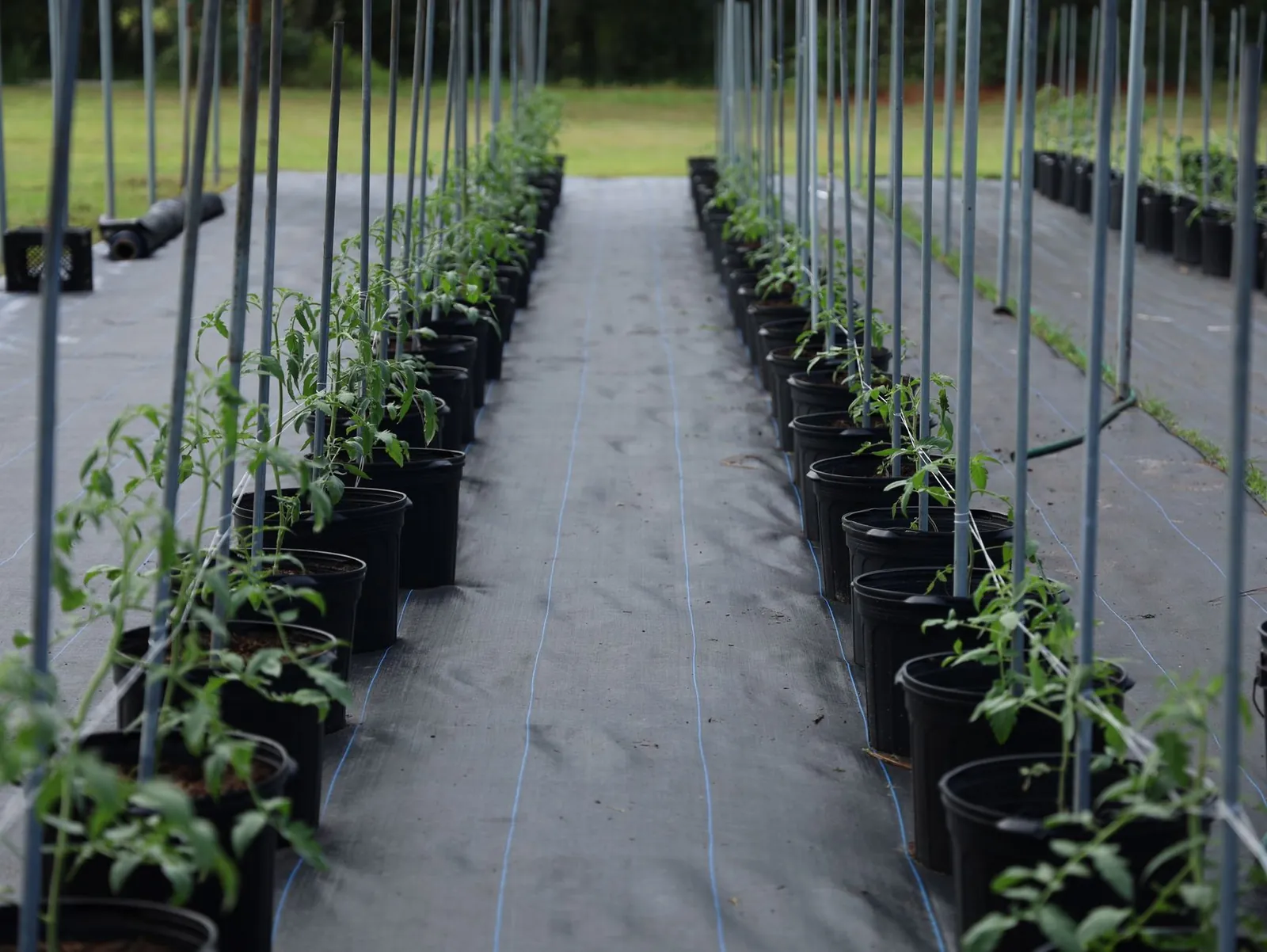
A 70°F afternoon means nothing if the soil is still 50°F. Cold soil causes transplants to sit stunned for weeks, making them more vulnerable to disease. A $10–$20 soil thermometer tells you what the forecast can’t.
- 60°F: Minimum for transplants; seeds may rot below this
- 65–70°F: Ideal for both seeds and transplants
- 75°F+: Fastest germination and early growth
In zones 5 and colder, soil often doesn’t reach 65°F until 2–3 weeks after the last frost date. If you want to push that timeline, lay black plastic mulch over the bed a week or two before planting—it can raise soil temperature by 5–8°F.
Starting Seeds Indoors vs. Direct Seeding
Most gardeners in zones 3–7 start seeds indoors under lights and transplant seedlings outside. Direct seeding—dropping seeds straight into garden soil—is only practical in zones 8 and warmer, where the season is long enough to compensate for the extra 2–3 weeks it takes to reach transplant size.
Indoor seed starting timeline
- Start seeds 6–8 weeks before your last frost date
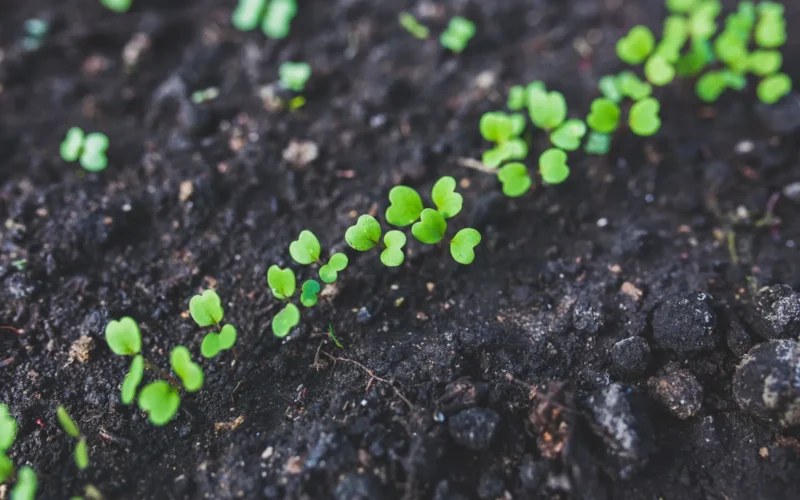
- Germination takes 5–10 days at 70–75°F
- Seedlings need 14–16 hours of light daily under grow lights
- Move outdoors 1–2 weeks after the last frost date, once soil is warm
If your last frost date is May 15, start seeds around March 20–April 1 and plan to transplant in late May or early June. That schedule gives you seedlings at the right size without them getting rootbound in their trays.
Direct seeding timeline
- Only practical in zones 8+ with a growing season of 180+ days
- Sow when soil reaches 65°F or higher
- Expect first fruit 2–3 weeks later than from transplants
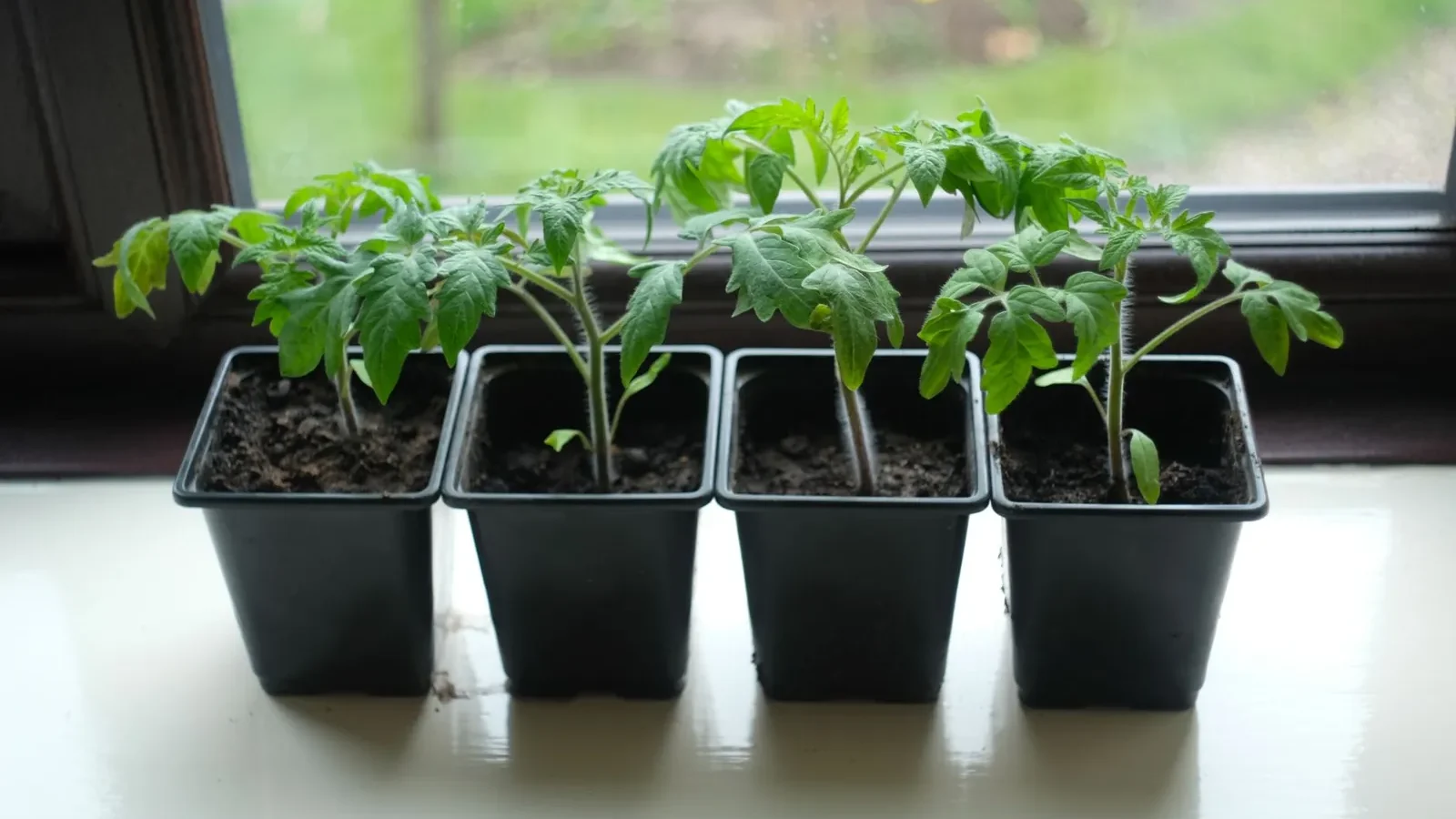
Hardening off seedlings for 7–10 days before planting prevents transplant shock and strengthens stems.
Hardening Off and Transplanting Outdoors
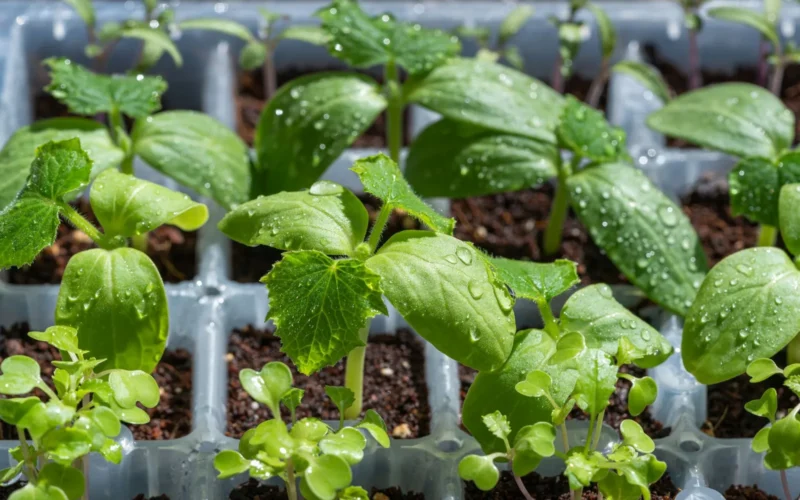
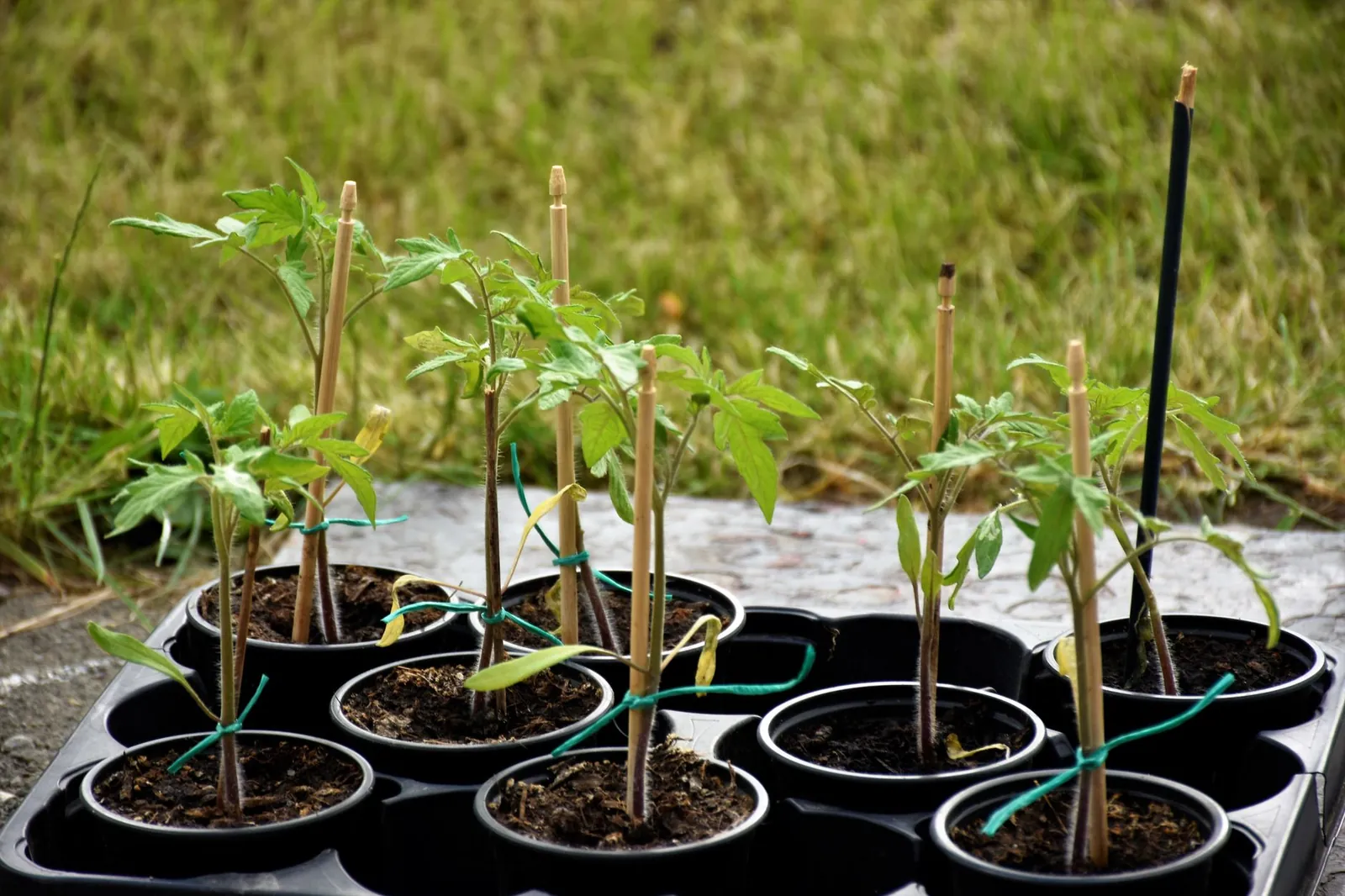
Seedlings raised under grow lights have never felt wind, direct sun, or temperature swings. Set them outside in a sheltered spot for 2–3 hours on the first day, then add an hour or two each day over 7–10 days. By the end, they can handle a full day outdoors without wilting or sunscald.
When you plant, bury the stem deeper than it sat in the pot—right up to the first set of true leaves if the seedling is leggy. Tomatoes sprout roots all along buried stem tissue, so a deeper planting means a stronger, more drought-resistant plant. Space transplants 24–36 inches apart; the wider end of that range suits indeterminate varieties that keep growing all season.
Planting Dates by Zone
| USDA Zone | Last Frost Date | Transplant Outdoors | Direct Seed (if applicable) |
|---|---|---|---|
| 3 | June 1–14 | June 15 – July 1 | Not recommended |
| 4 | May 24 – June 7 | June 10–20 | Not recommended |
| 5 | May 10–31 | June 1–15 | Not recommended |
| 6 | April 20 – May 31 | May 15 – June 15 | Late May onward |
| 7 | April 1 – May 15 | May 1 – June 1 | Mid-May onward |
| 8 | March 15 – April 30 | April 15 – May 15 | April onward |
| 9 | February 15 – April 1 | March 1 – April 15 | February–March |
| 10 | January 15 – March 15 | February 1 – April 1 | January–February |
Confirm your exact local frost date at planthardiness.ars.usda.gov or through your county extension office—hyperlocal data beats zone averages every time.
Choosing Varieties for Your Growing Season
Days to maturity on the seed packet isn’t just a marketing number—it determines whether your tomatoes ripen before fall frost arrives. Determinate (bush) varieties typically finish in 60–70 days; indeterminate (vining) types run 70–85+ days and keep setting fruit until frost kills the plant.
In zones 3–5, I stick to early or mid-season varieties that mature in 60–75 days—something like ‘Stupice’ (52 days) or ‘Celebrity’ (70 days). In zones 8 and warmer, there’s room for slow, large-fruited heirlooms that need 80+ days. To check any variety: subtract its days-to-maturity from your first expected fall frost date. If the math works, the plant will too.
For specific variety recommendations tailored to beginner gardeners, check out our guide to best tomato varieties for beginners.
Late-Season Planting and Fall Tomatoes
Zones 8 and warmer can squeeze in a second planting in July or early August, targeting varieties that mature in 60–70 days before the first fall frost in October or November. Fall-grown tomatoes often taste better—cooler nights slow ripening and concentrate sugars. In zones 6–7, a late-June planting of a fast-maturing variety (65 days or fewer) can work if your first fall frost typically holds off until mid-October or later.
Frequently asked questions
Can I plant tomatoes before the last frost date if I use row covers?
Row covers buy you 1–2 weeks, but they’re not a guarantee against a hard frost below 28°F. I’ve used them to push planting earlier, accepting that I might lose the plants if the weather turns. The soil still needs to be at 60°F or above—row covers warm the air around the plant, not the root zone.
What if my soil is still cold on my last frost date?
Wait another 1–2 weeks. Cold soil stresses roots and slows growth more than the delay costs you. A transplant set into 65°F soil on June 1 will outpace one planted into 52°F soil on May 15 within two weeks.
How do I find my exact last frost date?
Visit planthardiness.ars.usda.gov, enter your zip code, and confirm with your local county cooperative extension office. They often have hyperlocal data that’s more accurate than the zone map alone.
Can I plant tomatoes in pots instead of the ground?
Yes, and the timing rules are the same—wait until frost danger has passed and potting mix is warm. Use at least a 5-gallon container for determinate types and 10 gallons or more for indeterminate. One advantage: containers in full sun warm faster than ground soil, so you may be able to plant 1–2 weeks earlier than your in-ground date.
What happens if I plant tomatoes too early?
Cold soil slows root development and the seedling stalls—it doesn’t die immediately, but it sits stressed and vulnerable to fungal disease for weeks. Gardeners who wait for warm soil routinely catch up to and pass early planters by midsummer.

Rob is a former carpenter who now explains home repairs so you only have to do them once.