This article may contain affiliate links. If you buy through them we may earn a commission at no extra cost to you.
Pick a spot with 6–8 hours of direct sun, decide between a raised bed, in-ground rows, or containers, then place taller plants on the north side so they don’t shade shorter ones. That’s the core of a beginner vegetable garden layout. The rest is spacing and water access.
Understand Your Space and Sunlight
Spend one full day watching your yard before you sketch anything. Note where sun hits from 8 a.m. through 4 p.m., where buildings or trees cast shadows, and which areas stay soggy after rain. Most fruiting vegetables—tomatoes, peppers, squash—need 6–8 hours of direct sun. Leafy greens like lettuce and spinach manage on 4–6 hours. Root vegetables (carrots, beets, radishes) fall in between at 5–7 hours.
Measure honestly. A 4×8-foot raised bed (32 square feet) produces more than most single households can eat in peak season. A 2×4-foot plot is genuinely enough for salad greens and herbs. If your only sunny space is a patio, containers work—tomatoes, peppers, and beans all grow well in pots. Start smaller than feels ambitious; you can always add a second bed next year once you know your soil, your season, and what you actually cook.
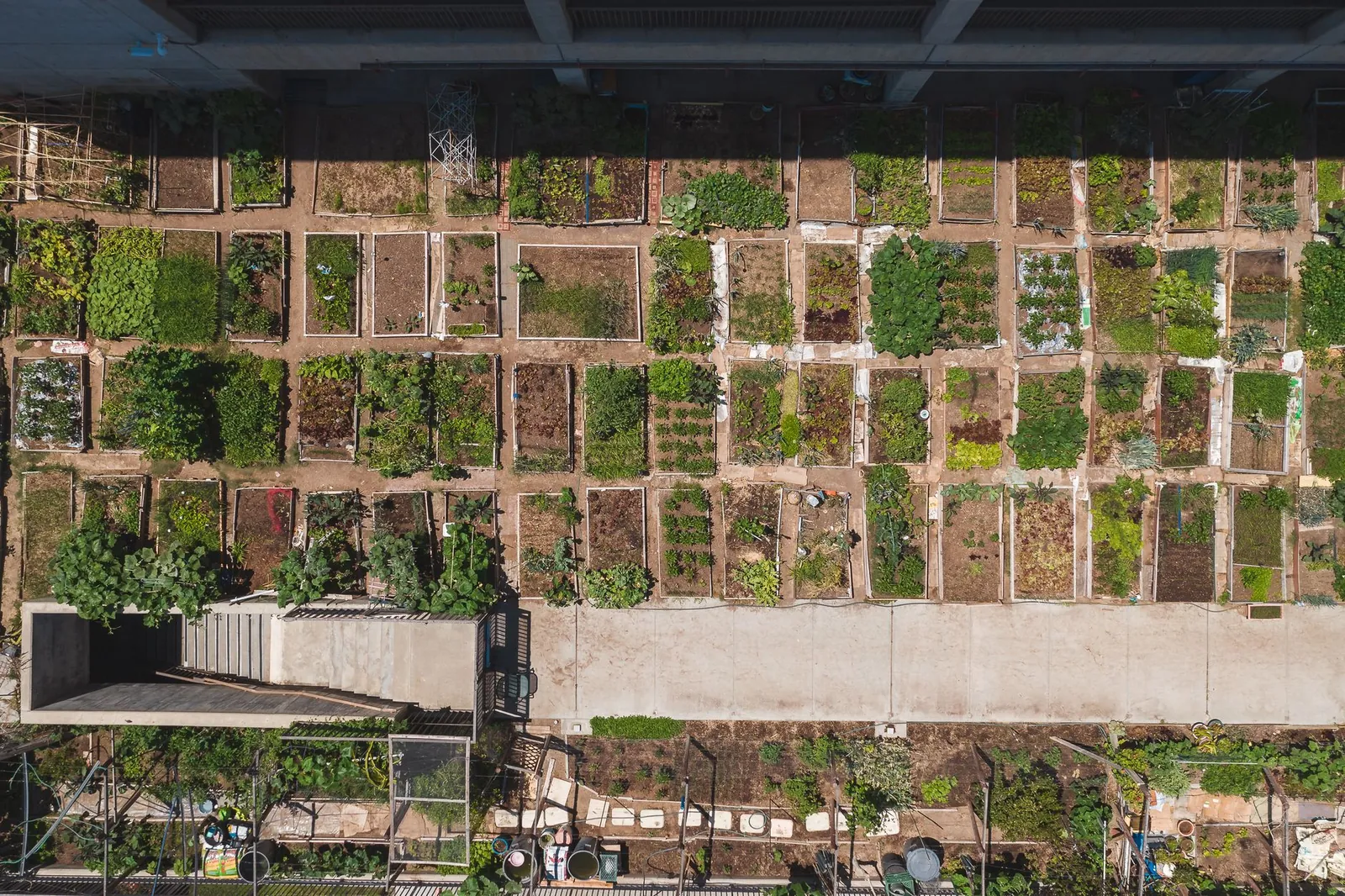
Choose a Layout Style
Raised Beds
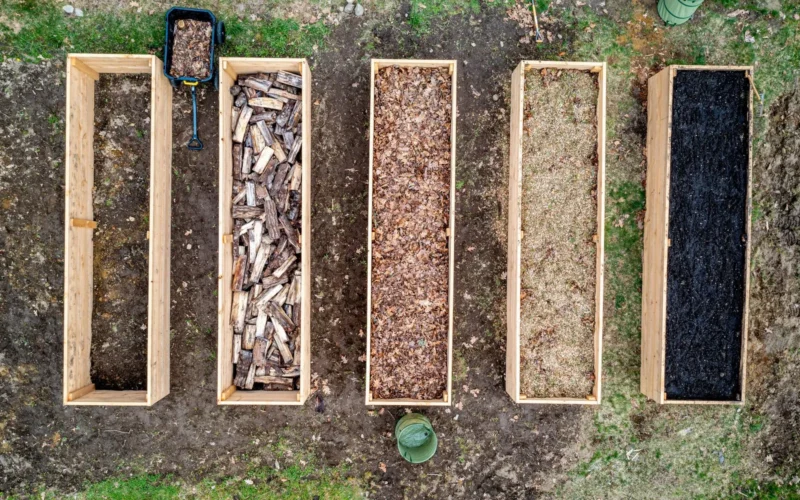
A 4×8-foot raised bed is the most practical first garden. You fill it with quality soil mix, so you’re not fighting clay or compaction from day one. It warms up 2–4 weeks earlier than in-ground soil in spring, and you never step inside it, which keeps soil loose. Build from untreated cedar (it resists rot for 10–15 years) or composite boards; avoid pressure-treated lumber near edibles. Materials cost $60–$150 depending on wood choice and bed depth—10 inches deep is enough for most vegetables, 12 inches for root crops.
In-Ground Rows
If you have decent existing soil and a larger area, in-ground rows cost almost nothing beyond soil amendments ($0–$20 for compost). Run rows north to south so plants don’t shade each other as the sun moves east to west. Space rows 2–3 feet apart for walking room. The trade-off: you’ll weed more actively, and if your soil is compacted or clay-heavy, you’ll need to amend it before planting—a bag of compost per 10 square feet is a reasonable starting point.
Square Foot Gardening
Divide a 4×4-foot raised bed into 16 one-foot squares using string or wood strips. Plant one large plant (tomato, pepper) per square, four medium plants (lettuce, chard) per square, or nine small plants (beets, spinach) per square. Spacing is built into the grid, which removes one of the most common beginner mistakes—overcrowding. This method uses roughly 80% less water than in-ground rows and produces comparable yields from a fraction of the space.
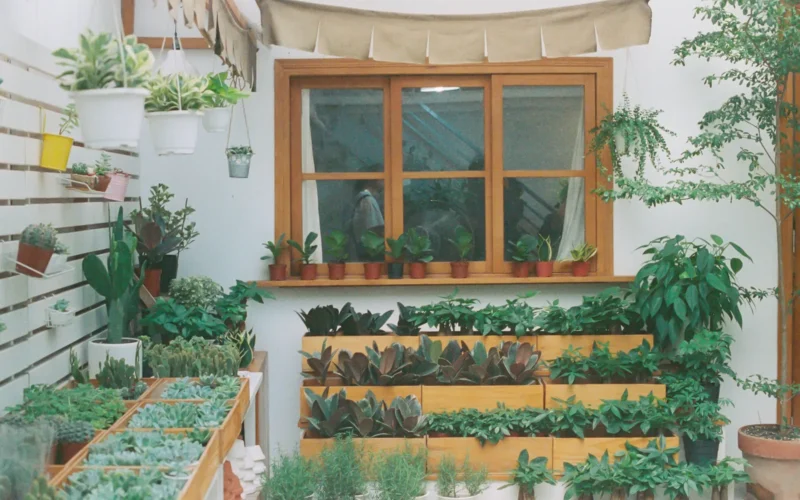
Containers and Pots
A sunny deck becomes a productive garden with 5-gallon buckets or fabric grow bags. A 5-gallon bucket ($2–$5) holds one tomato, one pepper, or three lettuce plants. Containers dry out faster than beds—plan to check moisture daily in summer—but they’re ideal for renters or anyone with no in-ground space. Fabric pots ($8–$15 each) air-prune roots and reduce overwatering risk compared to solid plastic.
Plan Plant Placement and Spacing
Place tall plants—tomatoes, peppers, beans, corn—along the north edge of your bed. Short plants—lettuce, spinach, radishes, herbs—go on the south side. Medium-height plants like chard and basil fill the middle. This single rule prevents most shading problems without requiring a complicated plan.
Spacing by mature plant size:
- Tomatoes: 24–36 inches apart
- Peppers and eggplant: 18–24 inches
- Lettuce: 6–12 inches
- Spinach and beans: 4–6 inches
- Carrots: 2–3 inches
- Beets: 3–4 inches
Seedlings look lonely at those distances. Resist the urge to crowd them—poor airflow is one of the fastest routes to fungal disease, and crowded plants produce less, not more.
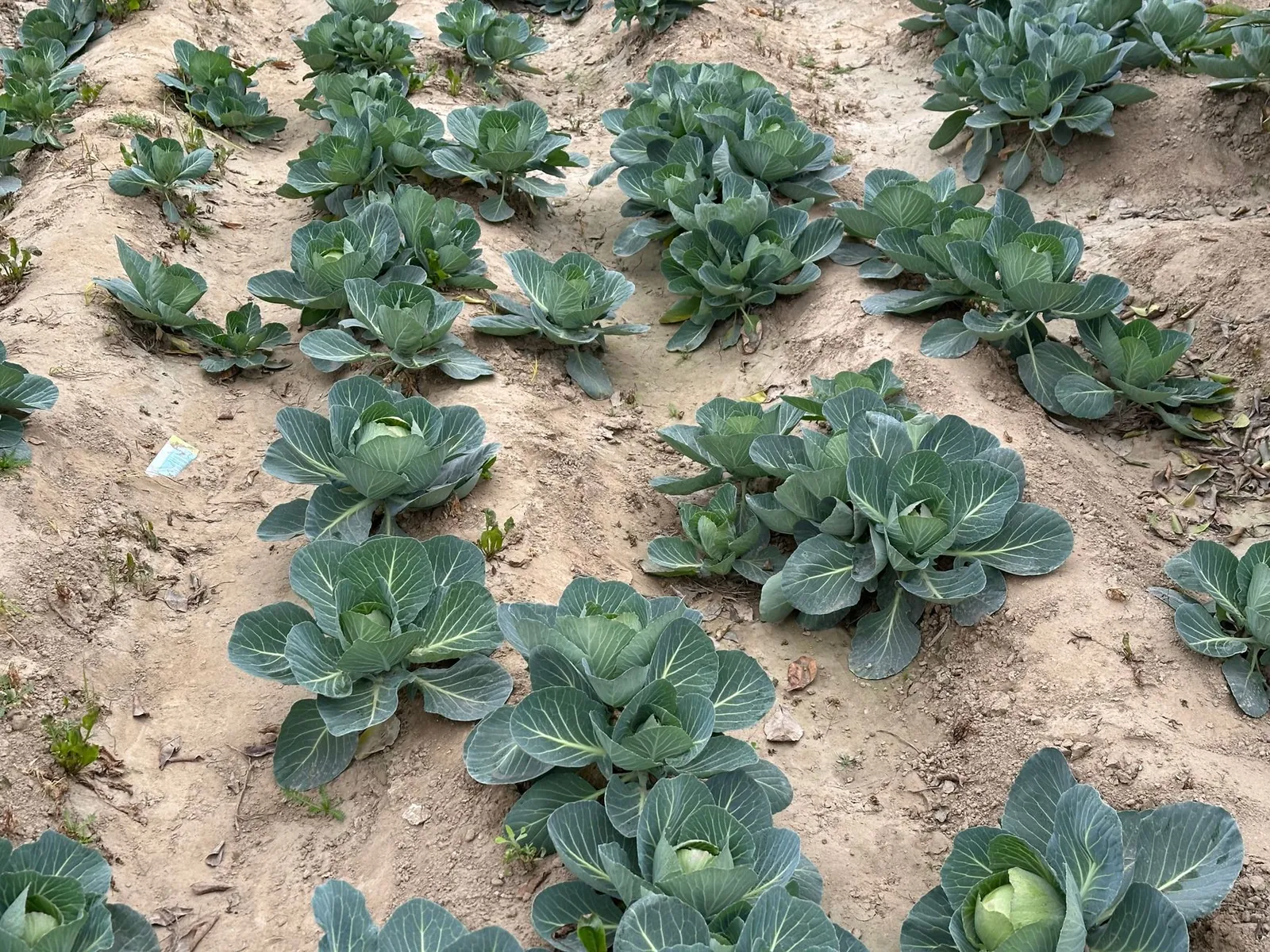
Plant spacing matters more than perfect rows—cramped plants struggle; well-spaced plants thrive.
Group by Water and Nutrient Needs
Tomatoes, peppers, and eggplants are heavy feeders that want consistent moisture and regular fertilizing—every 2 weeks with a balanced vegetable fertilizer once they’re established. Lettuce and spinach prefer cooler, evenly moist soil but don’t need much fertilizer. Herbs like basil and oregano tolerate drier conditions and actually lose flavor intensity if you water them too heavily.
In a small bed, you’ll mix these groups anyway—just water and fertilize thoughtfully. In a larger garden, grouping heavy feeders together lets you fertilize a section without overdoing it for drought-tolerant herbs nearby. Companion planting (basil near tomatoes, marigolds near almost everything) can help with pest pressure, but it’s not worth agonizing over in year one. Get spacing and sunlight right first. A companion planting chart is worth bookmarking for year two.
Sample Beginner Layouts Compared
| Layout Type | Best For | Cost | Maintenance | Space Needed |
|---|---|---|---|---|
| 4×8 Raised Bed | First-time gardeners, poor soil | $60–$150 | Moderate (weeding, watering) | 32 sq ft |
| Square Foot (4×4) | Small spaces, maximizing yield | $40–$100 | Low (grid spacing built in) | 16 sq ft |
| In-Ground Rows | Large gardens, budget-conscious | $0–$20 (soil amendment) | High (weeding, soil prep) | Flexible |
| Container Garden | Patios, renters, limited space | $30–$80 | Moderate (daily watering) | Deck or patio |
Our verdict
A 4×8 raised bed is the best starting layout for most beginners: manageable size, controlled soil, and low weed pressure. If space is tight, a 4×4 square-foot grid squeezes more out of less. If you’re renting or working from a patio, two or three 5-gallon containers will get you through a full growing season. The layout you’ll actually tend beats the theoretically optimal one every time.
Four Details That Make or Break the Layout
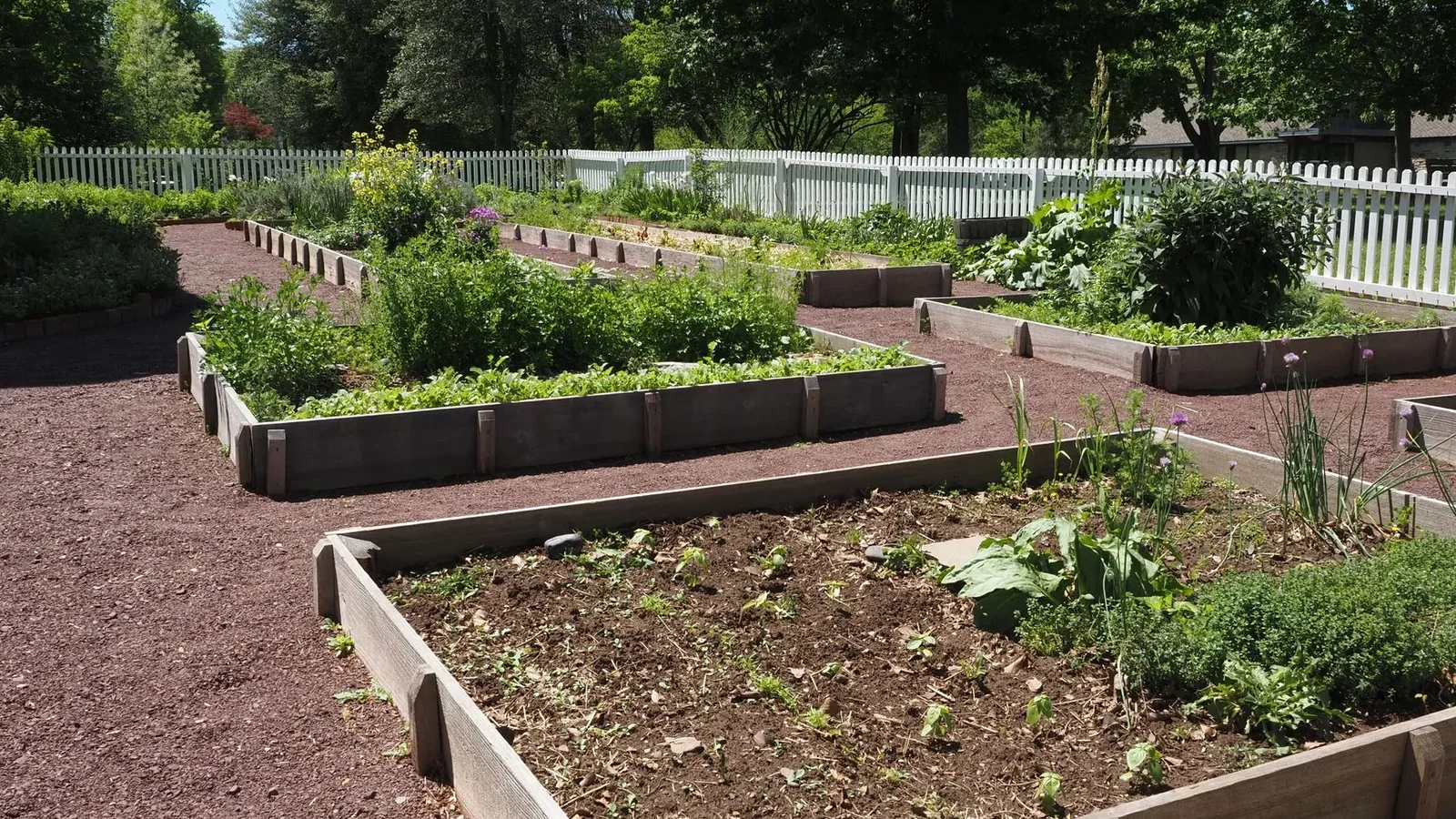
Leave walking paths
A 2-foot path between beds prevents soil compaction and keeps you from stepping on roots. Wood chips or straw in the path suppress weeds and cost $5–$15 per bag at most garden centers.
Position near your water source
A bed 50 feet from the hose gets watered less often than one 15 feet away—that’s just human nature. Locate beds within 25 feet of a faucet, or budget $20–$40 for soaker hose to run from a distance.
Plan for succession planting
Lettuce, spinach, and radishes mature in 4–6 weeks and bolt (go to seed) in summer heat. Sow a short row every 2–3 weeks for continuous harvest, or plan to swap them for heat-lovers like beans or summer squash once temperatures stay above 75°F at night.
Stake or trellis tall crops
Tomatoes, cucumbers, and pole beans grown vertically save 30–50% of floor space compared to sprawling. A simple wooden trellis or cattle panel costs $15–$40 and lasts years. Tie plants loosely with soft twine or fabric strips—wire or zip ties cut into stems.
Putting the Layout on Paper
Sketch your bed on grid paper or use a free tool like the Almanac Garden Planner (free trial, then $30/year). Mark sun exposure across the day, note dimensions, and place plants by mature size—tallest north, shortest south. Your first plan will change once you’re actually growing; that’s normal. The sketch is just a starting point, not a contract.
Once you’ve chosen a layout, see how to start a vegetable garden for soil prep, seed-starting timing, and what to plant first in your region.
Frequently asked questions
How much sun do vegetables really need?
Most vegetables need 6–8 hours of direct sun daily. Leafy greens (lettuce, spinach, kale) tolerate 4–6 hours. Root vegetables (carrots, beets, radishes) do fine with 5–7 hours. Tomatoes, peppers, and eggplants want the full 8 hours. Observe your yard throughout the day to find the sunniest spots.
Can I use a shady corner for vegetables?
Not well. A shady corner (under 4 hours of sun) limits you to herbs like mint, parsley, and chives, and maybe some shade-tolerant greens. If that’s your only option, containers on a sunny patio or windowsill are better for most vegetables.
What size garden should a beginner start with?
Start with 16–32 square feet (a 4×4 or 4×8 raised bed, or a 10×3 in-ground plot). This size produces plenty of vegetables without overwhelming you. You can always expand next year once you understand your local growing season and what you like to eat.
Do I need to rotate crops in my layout?
Crop rotation (moving plant families to different spots each year) reduces pest and disease buildup. It’s helpful but not critical for beginners. If your garden is small, focus on good spacing and soil health first. Rotate crops in year two once you’re comfortable with the basics.
How often should I water my garden?
Most vegetables need 1–2 inches of water per week, including rainfall. Water deeply and less frequently rather than a little every day—this encourages roots to grow down rather than staying near the surface. In containers, check soil moisture daily; in raised beds, check every 2–3 days. Drip irrigation or soaker hoses are more efficient than overhead watering and keep foliage dry, which reduces disease.

Rob is a former carpenter who now explains home repairs so you only have to do them once.