This article may contain affiliate links. If you buy through them we may earn a commission at no extra cost to you.
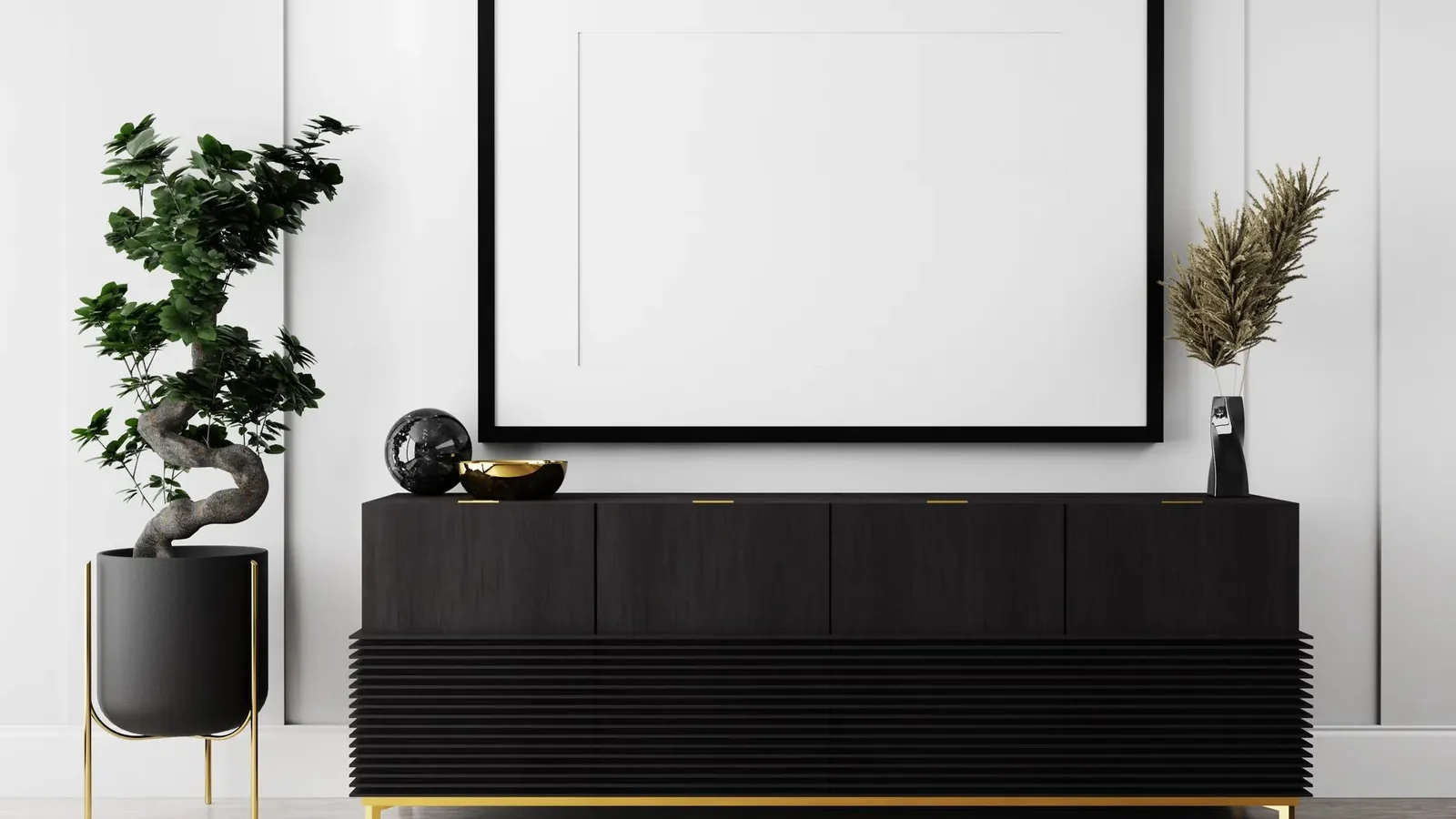
Right now, home decor is pulling in two directions at once: toward bold, layered maximalism and toward serene, nature-inspired calm. The styles trending hardest this season share one thing—they reject the sterile perfection of recent years in favor of spaces that feel lived-in, personal, and connected to the natural world.
Maximalism Makes a Statement
After years of “less is more,” homeowners are embracing “more is more”—filling walls with art, layering patterns, and choosing bold colors without apology. This isn’t cluttered chaos; it’s intentional abundance, and the difference comes down to one discipline: a clear color story.
I’ve found that successful maximalist rooms anchor in a defined palette—say, emerald, sapphire, and burgundy—then layer in brass accents, patterned textiles, and eclectic art within that range. Eight colors can coexist if they’re related. Without that thread, the room tips from curated into chaotic.
Maximalism works at almost any budget. Thrift stores and Facebook Marketplace are reliable sources for affordable art and vintage pieces. A single statement sofa in a bold fabric ($800–$2,000), a few art prints ($20–$100 each), and patterned throw pillows ($30–$80 apiece) can anchor the look. The style actually rewards mixing price points—a $2,000 velvet sofa beside a $40 thrifted mirror reads as intentional, not mismatched.
Japandi: Minimal but Never Cold
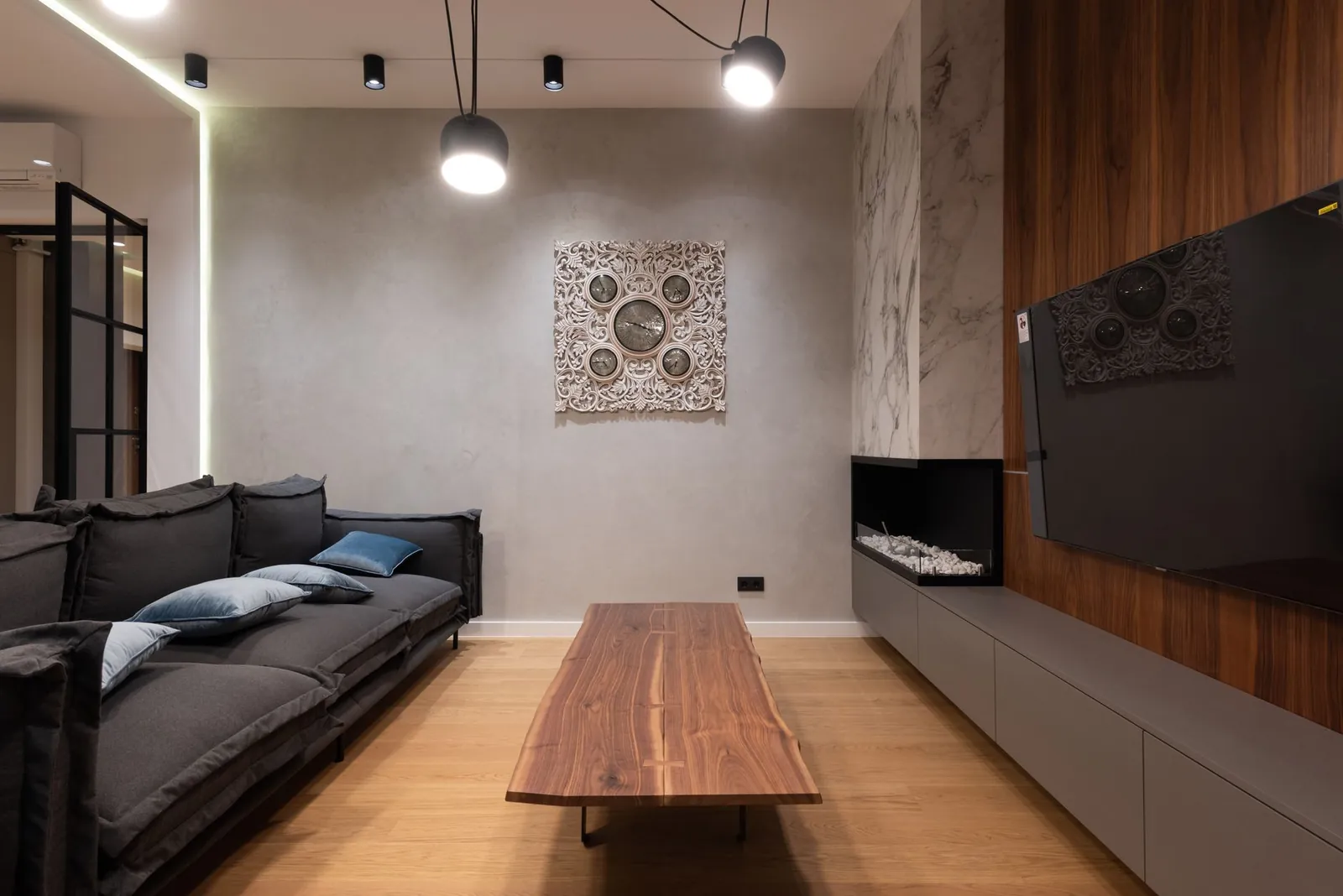
Japandi—a blend of Japanese minimalism and Scandinavian warmth—strips away clutter while keeping texture, natural materials, and deliberate beauty. What separates it from plain minimalism is the emphasis on craftsmanship and natural imperfection: the grain in a wooden table, the asymmetry of a hand-thrown ceramic bowl, the organic edge of a live-edge shelf.
To start a japandi refresh, focus on material first: solid wood furniture, linen textiles, clay and ceramic pieces, plenty of greenery. Budget $1,500–$3,000 for a bedroom or living area—a quality wooden platform bed runs $800–$1,500, a linen sofa $1,200–$2,000, and plants with accessories another $300–$500. The payoff is a room that feels both spacious and deeply comfortable, and because the palette is neutral, pieces rarely go out of style.
Earthy Minimalism and Warm Neutrals
If japandi feels like too much texture, earthy minimalism delivers calm through a restricted palette of warm, natural tones: terracotta, sand, sage, warm gray, and cream. This style is particularly practical for renters because it works with existing furniture—the shift is mostly paint and a few accessories.
Warm neutrals have overtaken cool grays and stark whites for good reason: they feel inviting under artificial light, photograph well, and show less dust. I’ve been choosing warm neutral paint colors as a base in my own rooms, then adding depth through texture—a chunky knit throw, a woven wall hanging, or a plaster-finish accent wall. Paint a room in warm greige ($30–$60 per gallon, or $150–$400 for hired labor), add a few natural fiber pieces ($100–$500 total), and the transformation is done for under $600.
Dopamine Décor and Bold Color Blocking
Dopamine décor—choosing colors and objects that actively lift your mood—is a direct reaction to neutral fatigue. Hot pink, chartreuse, coral, and electric blue are showing up in unexpected places: a powder room painted floor-to-ceiling in coral, a home office with a chartreuse accent wall, a single cobalt blue armchair in an otherwise neutral living room.
Color blocking, a related approach, uses solid contrasting colors to create visual structure. A teal wall paired with mustard yellow trim and coral accessories sounds chaotic on paper; executed deliberately, it feels energizing rather than jarring. The key is keeping each color zone clean—no gradients, no blending.
If bold color is new territory, start with one commitment. A single accent wall ($200–$400 in paint and labor) or a statement chair ($400–$1,200) lets you test the effect. Paint is the most reversible investment in any room.
Vintage and Secondhand as Intentional Choice
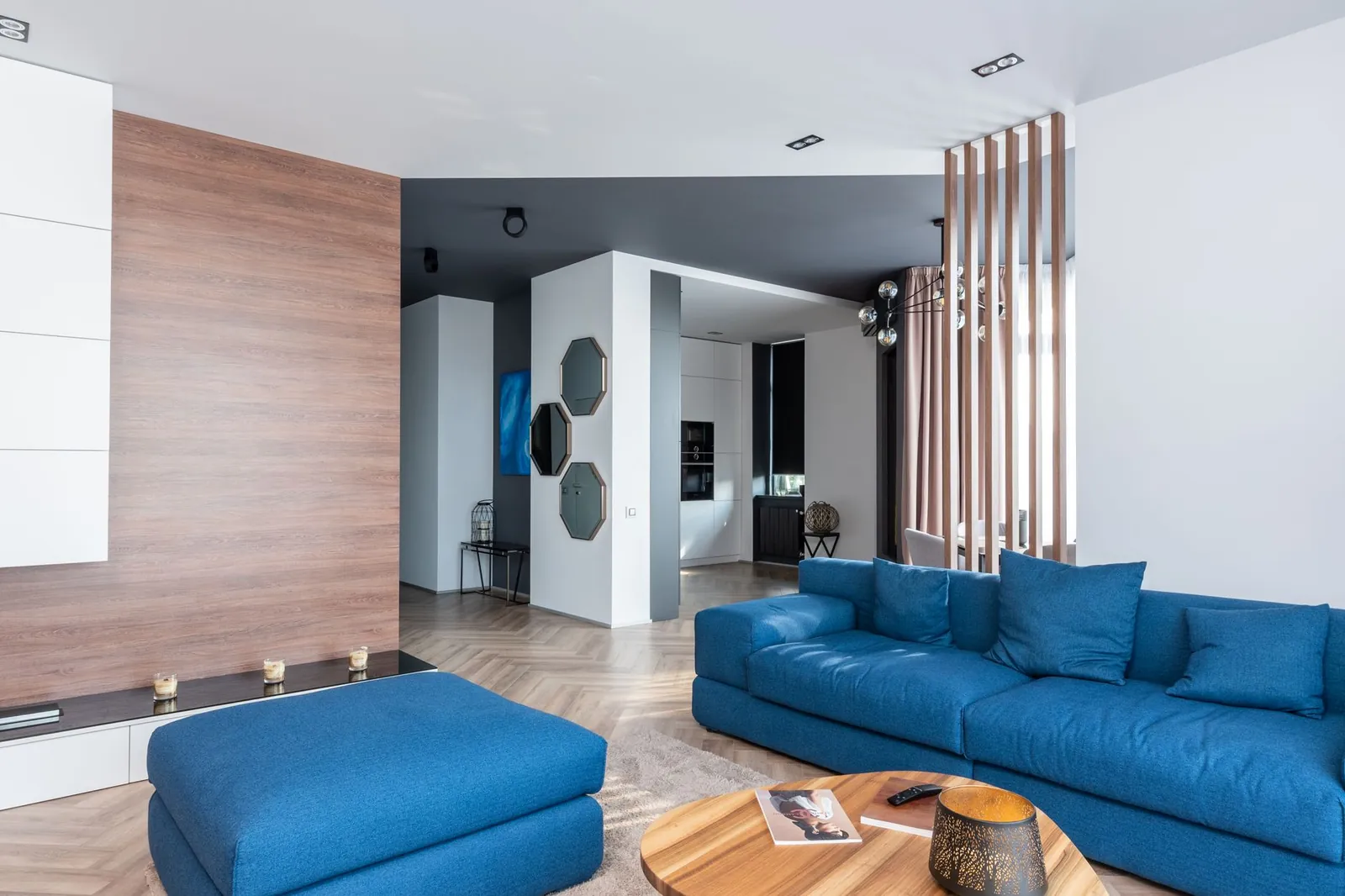
Thrifted and vintage décor has moved from budget necessity to deliberate style. Homeowners now seek out mid-century modern pieces, vintage rugs, and antique mirrors specifically because they’re distinctive—a matched furniture set from a big-box store can’t replicate the character of a 1960s walnut credenza found at an estate sale for $180.
This approach works beautifully inside both maximalism and japandi. For sourcing, Facebook Marketplace, Craigslist, and local estate sales are the most reliable; Goodwill and Salvation Army are better for smaller accessories than furniture. Expect to pay $50–$300 per piece for quality vintage furniture, $20–$150 for vintage rugs, and $10–$80 for smaller décor items. A full room refresh with secondhand pieces can land between $800–$2,000 if you’re patient—though patience is the actual cost.
Moody Interiors and Dark Walls
Deep charcoal, forest green, navy, and matte black walls are trending in bedrooms, dining rooms, and home offices. These colors feel sophisticated and cozy, and they make light-colored furniture and artwork stand out dramatically against them.
The risk is a cave-like feeling, and the fix is lighting. Moody rooms need layered light: a dimmer-controlled overhead fixture, bedside or task lamps, and ideally wall sconces. Pair dark walls with white or cream trim, light-colored furniture, or a statement pendant. Without that contrast, the room absorbs rather than holds light.
Dark paint costs the same as light ($30–$60 per gallon), but deep colors reliably need two coats and sometimes a tinted primer. Budget $150–$500 for a single room DIY, or $400–$800 for a hired painter.
The best trend is the one that makes you want to spend time in your home, not the one that photographs best on Instagram.
Mixing Trends: A Practical Approach
The most successful rooms I’ve seen don’t follow a single trend rigidly. Japandi’s calm and dopamine décor’s bold color can share a room if you let the color appear in one or two deliberate spots rather than everywhere. Maximalism and warm neutrals work together when the neutral is the wall and the maximalism lives in the objects. The unifying thread can be a palette, a material—wood, ceramic, linen—or simply a consistent mood.
For more on combining approaches, our guide on how to mix and match home decor styles covers the fundamentals in detail.
Frequently asked questions
Which trending style is most budget-friendly?
Earthy minimalism and warm neutrals cost the least to implement because they work with existing furniture and rely mainly on paint and small accessories—a room refresh typically runs $200–$600. Japandi and maximalism require more intentional purchases ($1,500–$3,000+), though both work well with thrifted pieces if you’re willing to source over time.
Can I combine multiple trending styles in one home?
Yes, and most well-designed homes do. A bedroom can be japandi-calm while a living room embraces maximalism; a powder room can go dopamine-bold. The trick is a consistent color or material thread running through the home so each room feels related rather than random.
Are these trends here to stay or will they fade quickly?
Japandi and warm neutrals have staying power because they’re rooted in comfort and timeless materials. Dopamine décor and bold color blocking are more cycle-driven and will likely shift within a few years. Maximalism comes and goes. If longevity matters, anchor your room in japandi or warm neutrals and bring in trend-driven elements through replaceable pieces—pillows, art prints, and small accessories.
How do I know which trend suits my home?
Notice what spaces make you feel good. Do you feel energized by color and pattern, or calmed by simplicity? Do you love natural materials and visible texture, or prefer clean lines? Your instinct points toward the trends that will make your home feel personal rather than like a showroom.
What’s the most expensive trend to implement?
Maximalism and japandi typically cost the most because both require furniture, art, and accessories chosen with care. A fully realized room in either style can run $3,000–$8,000 or more depending on how much you’re replacing and whether you’re buying new or secondhand. Moody interiors and warm neutrals are cheaper because the transformation is mostly paint and lighting adjustments on top of existing pieces.

Rob is a former carpenter who now explains home repairs so you only have to do them once.