This article may contain affiliate links. If you buy through them we may earn a commission at no extra cost to you.
The strongest neutral paint colors right now are Sherwin-Williams’ Repose Gray, Benjamin Moore’s Revere Pewter, and White Dove—each for different lighting situations and room types. Quality neutrals run $25–$55 per gallon; a 12×14-foot bedroom takes roughly two gallons, so expect $50–$110 in paint before primer or labor.
Warm Neutrals: Creams, Taupes, and Warm Grays
Best for north-facing rooms and homes with cool natural light
Warm neutrals carry yellow, orange, or red undertones. I reach for them in north-facing rooms, where the light runs cool and flat all day—they push back against that gray cast without making the space feel painted. The risk is tipping too far toward yellow or orange, which dates quickly, so sample carefully.
Reliable warm neutral picks:
- Creams and off-whites: Benjamin Moore’s Swiss Coffee and Sherwin-Williams’ Alabaster add softness without the harshness of a bright white. Both run $28–$35 per gallon.
- Warm grays: Sherwin-Williams’ Accessible Beige and Benjamin Moore’s Revere Pewter sit at the gray-tan boundary—good in living rooms and kitchens where you want warmth without committing to beige. Budget $30–$40 per gallon.
- Taupes: Benjamin Moore’s Balanced Beige and Behr’s Nomadic Desert read as earthy and grounded. Price range: $25–$38 per gallon.
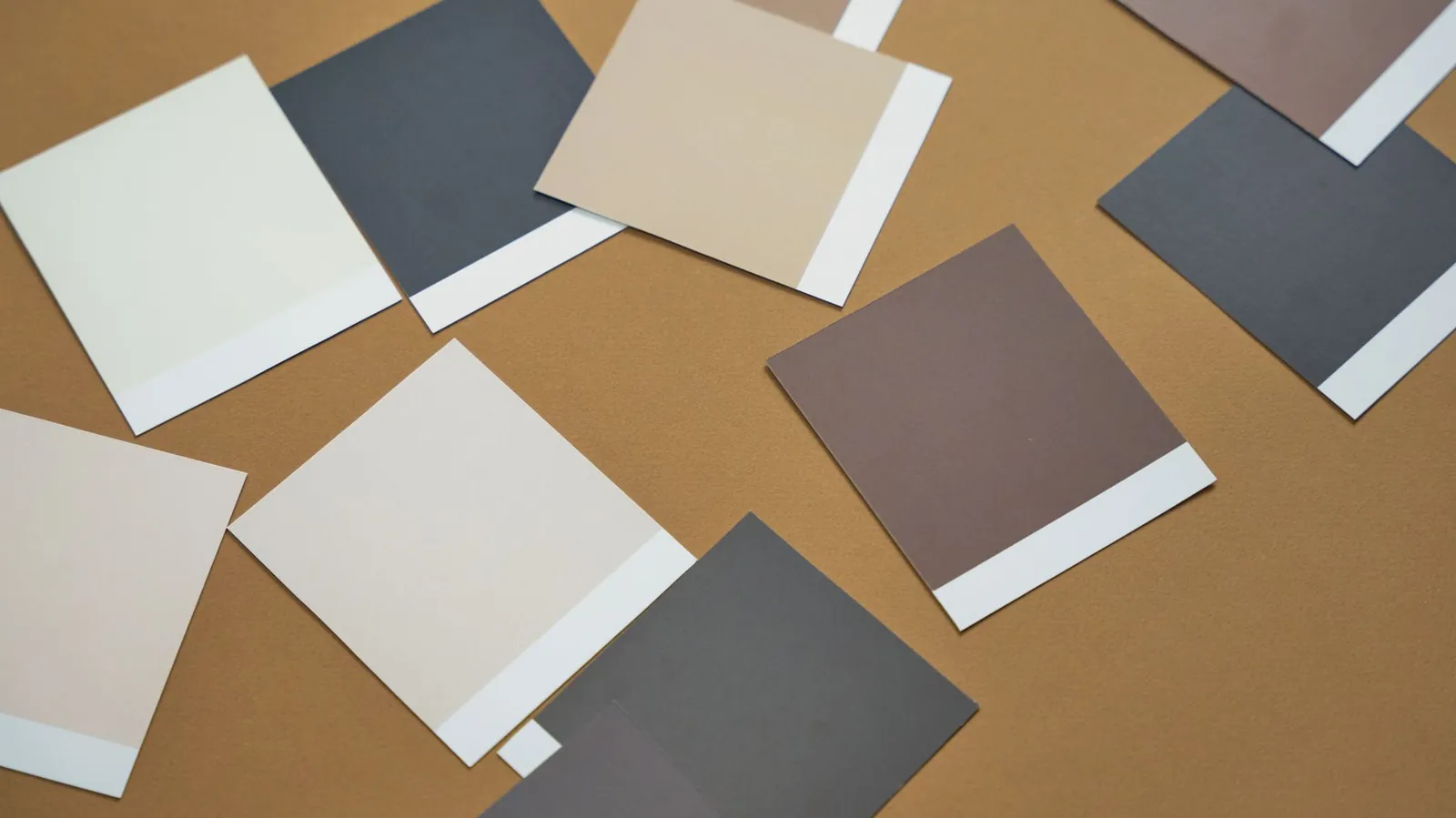
Before buying a full gallon, spend $6–$10 on a sample pot (usually 8 oz) and paint a 2×2-foot patch. Leave it up for 48 hours and check it at morning light, midday, and under your evening lamps—the same color can shift from honey to orange depending on bulb temperature.
Cool Neutrals: Grays and Cool Whites
Best for south- and west-facing rooms with strong natural light
Cool neutrals carry blue, green, or purple undertones. In a south-facing room flooded with warm afternoon sun, a cool gray balances the light rather than amplifying it. The failure mode is sterility—if the undertone is too strong, the room reads clinical rather than calm.
Reliable cool neutral picks:
- Soft grays: Sherwin-Williams’ Urbane Gray and Benjamin Moore’s Stonington Gray stay cool without going cold. These run $30–$45 per gallon.
- Cool whites: Benjamin Moore’s White Dove has just enough blue undertone to feel deliberate rather than default. Price: $28–$40 per gallon.
Greige: The Hybrid Neutral
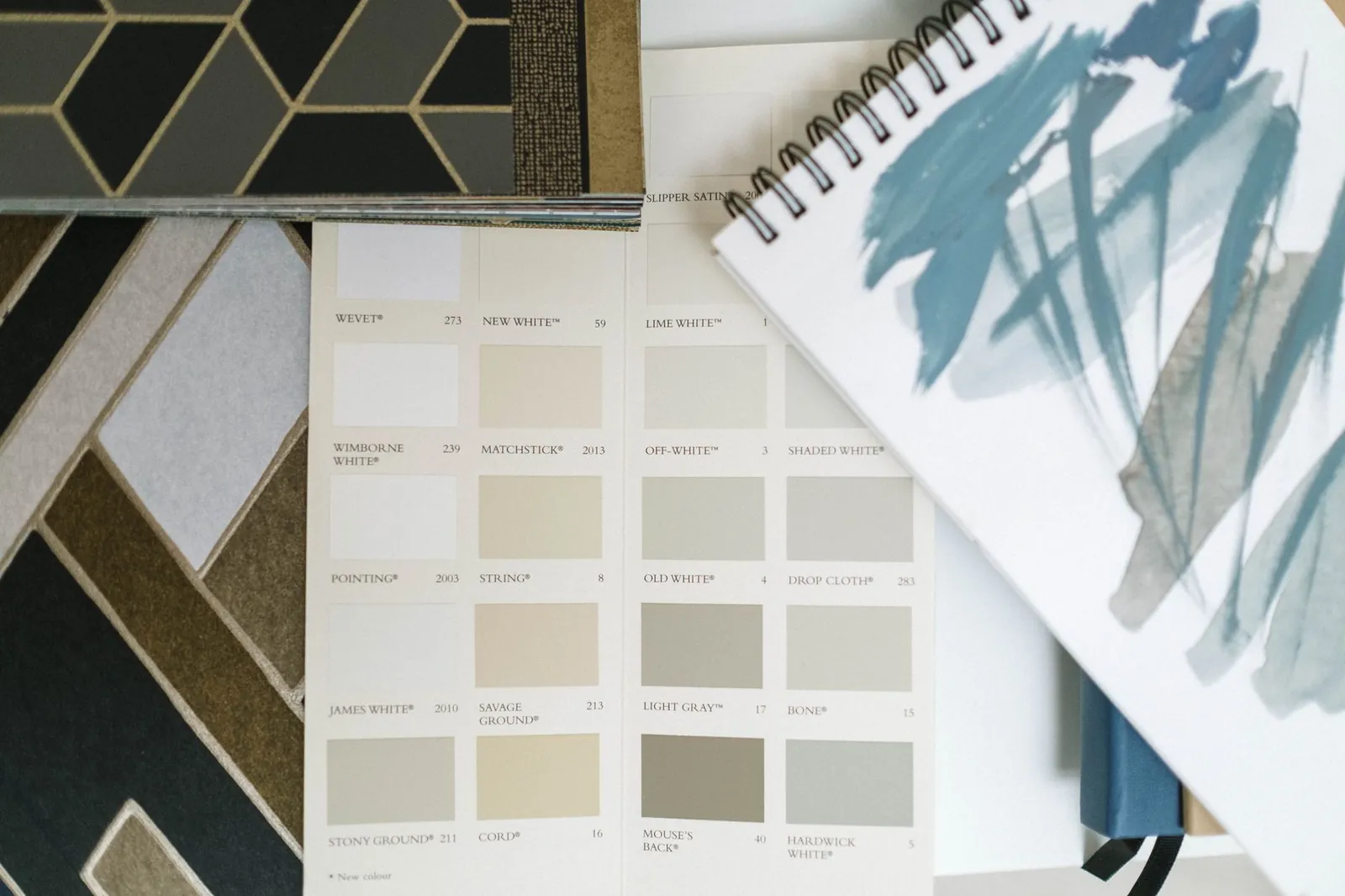
Greige—gray-beige—is what I use when I’m genuinely unsure about a room’s undertone direction. It forgives mixed lighting and works alongside both warm oak floors and cool white trim, which makes it the practical choice for open-plan spaces where one color needs to carry across multiple zones.
Strong greige options:
- Sherwin-Williams’ Repose Gray — $29–$38 per gallon
- Benjamin Moore’s Chelsea Gray — $32–$40 per gallon
- Behr’s Mindful Gray — $24–$36 per gallon
The trade-off: greige can feel indecisive in rooms with strong, consistent light. If your space is clearly warm or clearly cool, a committed warm gray or cool white will look more intentional.
Best Neutral Colors by Room
Living rooms
Warm grays and greiges read as welcoming in shared spaces. Benjamin Moore’s Revere Pewter has been a go-to here for years because it shifts from tan to gray depending on the hour—it holds interest without demanding attention.
Bedrooms
Cool neutrals support rest. Sherwin-Williams’ Urbane Gray and Benjamin Moore’s Stonington Gray both work well; avoid anything with a strong yellow undertone, which tends to feel energizing rather than restful under warm evening light.
Kitchens and bathrooms
Slightly cool whites and light greiges keep these rooms feeling clean and open. Benjamin Moore’s White Dove works in both—it reads white without the blue tinge that makes some cool whites feel cold under fluorescent task lighting. For more on surface prep in wet rooms, see our guide on best paint for bathroom walls.
Hallways and entryways
A half-step warmer than your main living space makes the transition feel intentional rather than mismatched. Warm grays and greiges hold up well in the low, variable light most hallways get.
How to Choose the Right Neutral
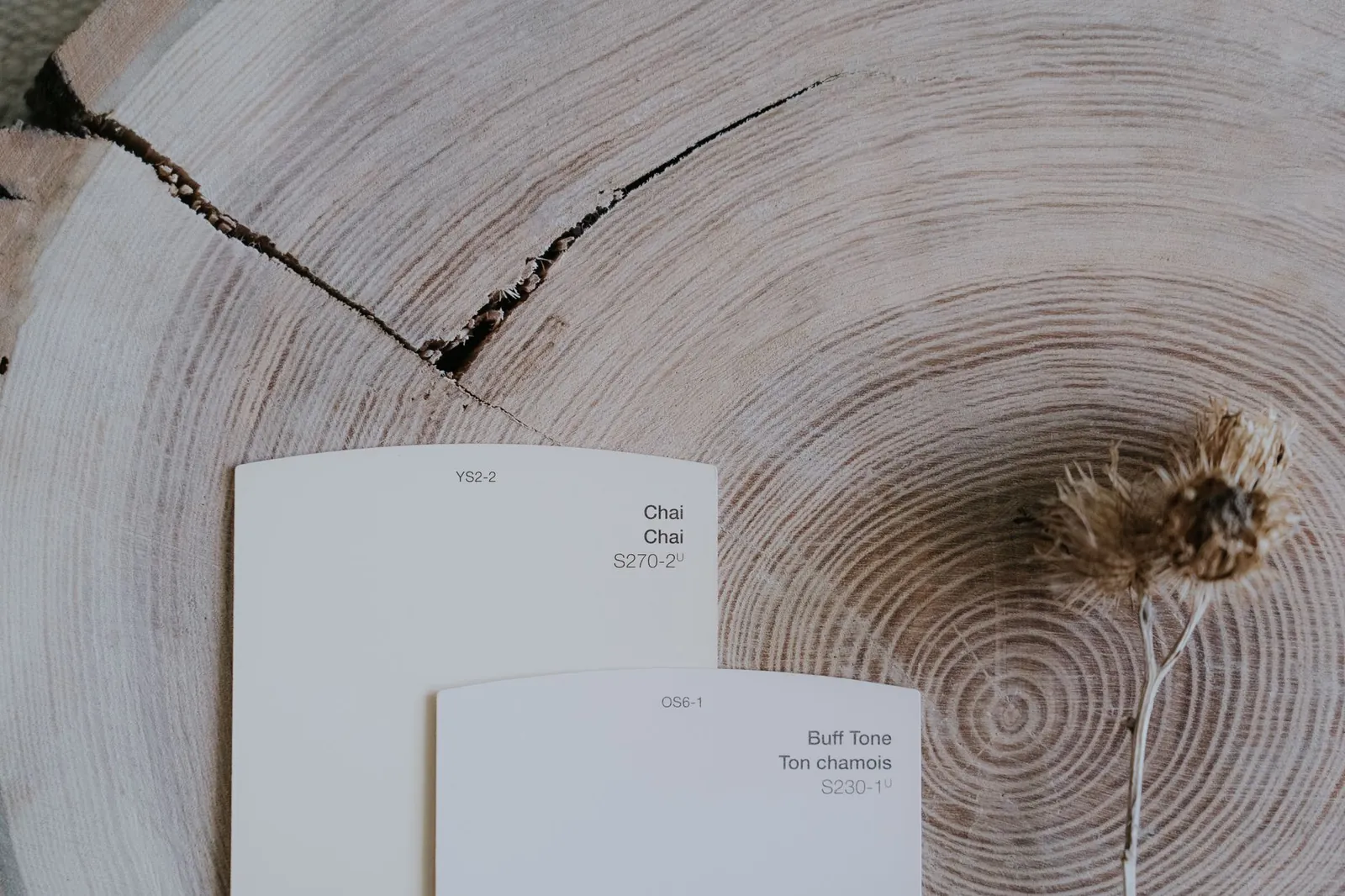
- Buy sample pots ($6–$10 each). Test your top three candidates, not just your favorite.
- Paint 2×2-foot patches in the actual room. If possible, test in rooms with different light exposures—north versus south makes a visible difference.
- Leave samples up for 48 hours. Check morning light, afternoon light, and evening artificial light before deciding.
- Hold the sample next to your trim and flooring. A neutral that fights your existing woodwork will feel off no matter how good it looked on the chip.
- Check it against your furniture. A very cool gray alongside a warm-toned sofa creates visual tension; a warm beige next to cool upholstery can feel disconnected.
The best neutral is the one that looks intentional in your actual light, not the one that looks perfect on a paint chip under fluorescent store lights.
For a broader look at color selection, see our guide on how to choose paint colors for rooms.
Comparison of Top Neutral Paint Colors
| Color Name | Brand | Undertone | Best For | Price per Gallon |
|---|---|---|---|---|
| Revere Pewter | Benjamin Moore | Warm gray | Living rooms, versatile spaces | $32–$40 |
| Accessible Beige | Sherwin-Williams | Warm gray-beige | Kitchens, open-plan homes | $30–$40 |
| Urbane Gray | Sherwin-Williams | Cool gray | Bedrooms, bathrooms | $30–$45 |
| Stonington Gray | Benjamin Moore | Cool gray | Bedrooms, modern spaces | $32–$40 |
| Chelsea Gray | Benjamin Moore | Greige | Open-plan, transitional spaces | $32–$40 |
| Repose Gray | Sherwin-Williams | Greige | Any room, flexible undertone | $29–$38 |
| White Dove | Benjamin Moore | Cool white | Bathrooms, kitchens, trim | $28–$40 |
| Alabaster | Sherwin-Williams | Warm white | Trim, accent walls, bright rooms | $28–$35 |
Our verdict
For a single neutral that works across most rooms, Sherwin-Williams’ Repose Gray is the most forgiving—its greige undertone sits squarely between warm and cool, so it rarely fights existing finishes. Benjamin Moore’s Revere Pewter is the better call if your home has warm-toned wood floors or traditional trim; it reads richer and more traditional, but it can look dated in very modern spaces. Both cost $29–$40 per gallon. For bedrooms or south-facing rooms that need a cooler hand, Urbane Gray and Stonington Gray deliver at the same price point without crossing into cold territory.
Frequently asked questions
Can I use the same neutral paint color in every room?
Yes, but test it in each room first. The same gallon of Repose Gray can look distinctly different in a north-facing bedroom versus a sun-drenched kitchen—light direction and room contents both shift how a color reads. In open-plan homes where rooms flow together, a single neutral is often the cleaner choice. In separate rooms, you have more flexibility to shift a half-tone warmer or cooler without the change feeling abrupt.
What’s the difference between greige and warm gray?
Greige carries more beige—it feels softer and sits closer to tan than to gray. Warm gray still reads as gray but with yellow or orange undertone pulling it away from cool. Greige is more forgiving if your home mixes warm and cool finishes; warm gray commits more firmly to one direction. If you’re unsure which your space needs, test one of each side by side.
How do I know if a neutral has too much undertone?
Paint a 2×2-foot sample and observe it for 48 hours across different lighting conditions. If it reads distinctly yellow, green, or lavender rather than neutral, the undertone is too strong for the space. A well-chosen neutral should feel balanced—present enough to be intentional, quiet enough that you notice the room rather than the walls.
Do I need primer under neutral paint?
Not always. Over existing paint in good condition, two solid coats of a quality neutral are usually enough. The exception: covering a dark or saturated color with a light neutral. In that case, one coat of tinted primer ($20–$35 per gallon) plus two coats of paint gives better, more even coverage than three coats of paint alone. New drywall and stained surfaces always need primer first.
Which neutral colors hold their value best for resale?
Soft whites, warm grays, and greiges consistently appeal to the widest range of buyers because they read as move-in ready without imposing a strong aesthetic. Benjamin Moore’s White Dove, Revere Pewter, and Sherwin-Williams’ Accessible Beige have stayed relevant across multiple design cycles—none of them look like a trend that peaked and passed. Avoid anything with a strong saturated undertone, which tends to polarize buyers.

Ellen has renovated three houses, killed more seedlings than she admits, and writes about both.