This article may contain affiliate links. If you buy through them we may earn a commission at no extra cost to you.
Light colors, large mirrors, and furniture with exposed legs are the three fastest ways to make a small room feel bigger—and you can implement all three for under $300. I’ve used every technique here in my own home, so I’ll tell you what actually moves the needle and what the trade-offs are.
Use Mirrors Strategically
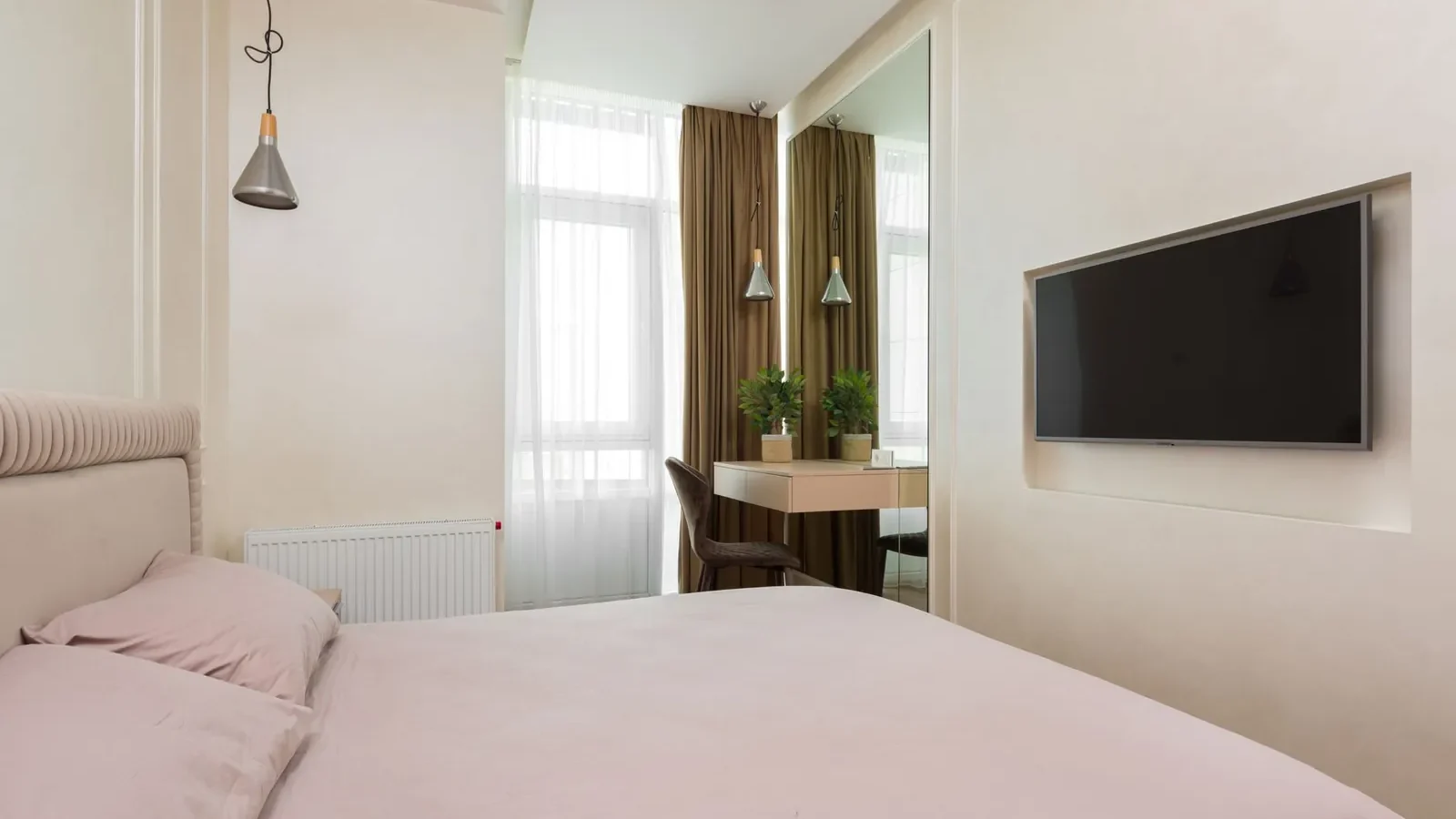
A large mirror opposite a window bounces natural light around and creates genuine depth—not just the appearance of it. I placed a 4-foot tall mirror on the wall facing my bedroom window, and the room read noticeably wider from the doorway.
Position mirrors to reflect light sources, not dark corners. Avoid placing two mirrors directly opposite each other; the infinite-reflection effect looks disorienting rather than spacious. One large mirror beats a cluster of small ones because it creates a single, clean sight line.
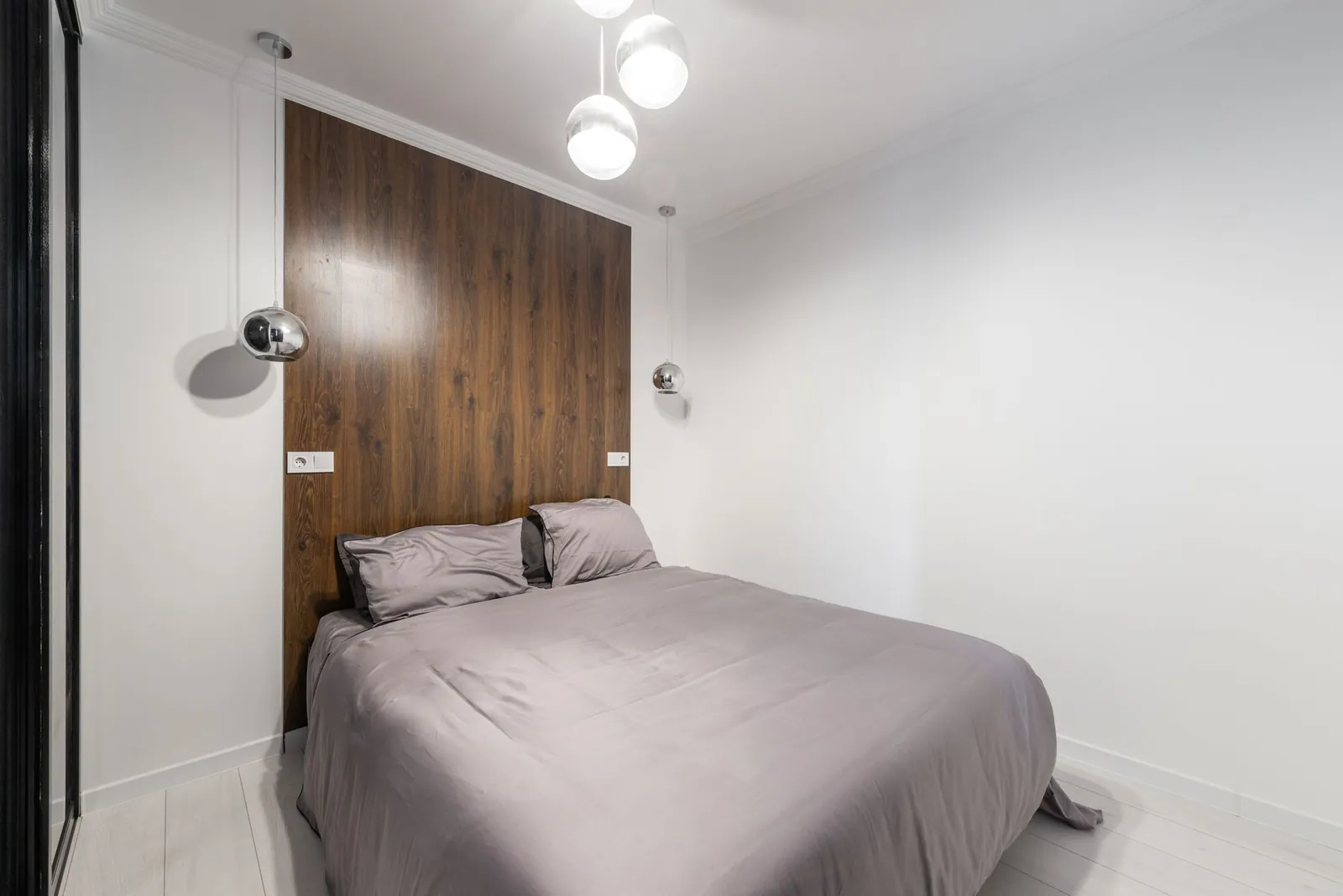
If budget is tight, lean a large mirror against the wall rather than hanging it. A decent 3×5-foot leaner runs $40–$120 and can move with you if you rearrange the room later.
Paint Walls a Lighter Color
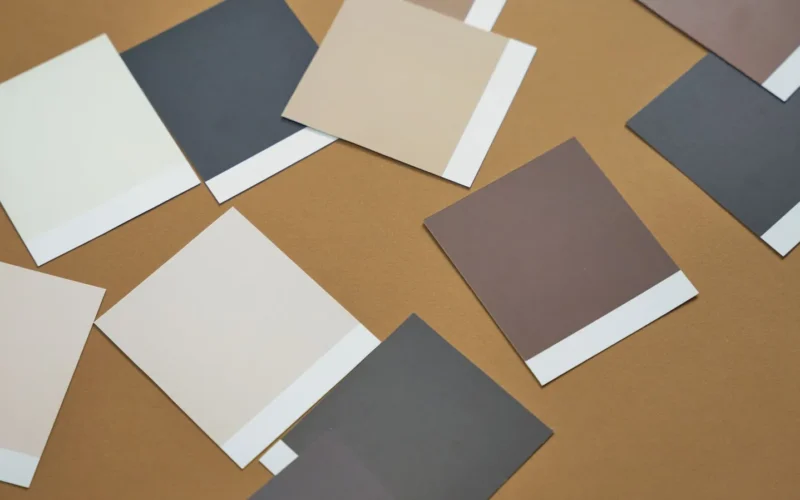
Light colors reflect light and make walls recede visually; dark colors absorb light and pull walls inward. I repainted a 10×10 bedroom from charcoal gray to soft white and the room felt meaningfully larger without touching a single piece of furniture. You don’t need stark white—a warm off-white or pale taupe works just as well.
Ceiling color matters too
Paint the ceiling the same shade as the walls or slightly lighter. A white or pale ceiling reads as taller. Paint it darker than the walls and it visually drops, closing the room in from above.
Maximize Natural and Artificial Light
Keep windows uncovered or hang sheer panels that filter light without blocking it. Heavy drapes can eat 6–12 inches of window width on each side and cut natural light by half—a real cost in a small room.
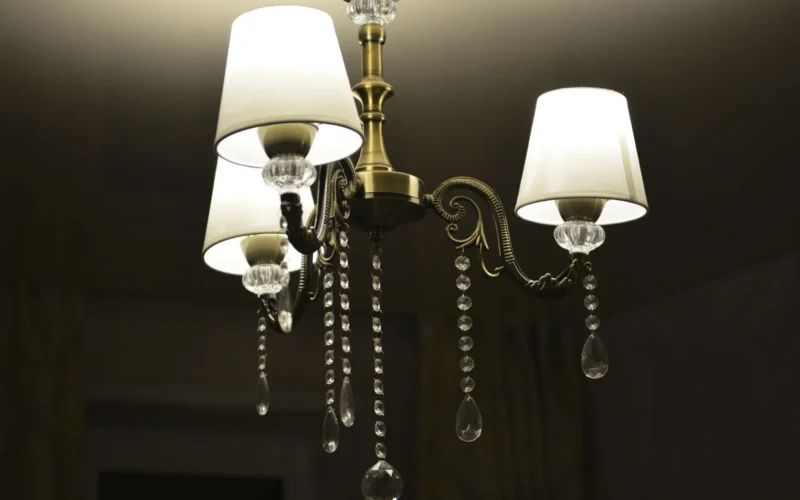
For artificial light, layer three types: a ceiling fixture for general illumination, task lighting (a desk or reading lamp), and accent lights aimed into dark corners. A single bright overhead bulb flattens a room; multiple sources at different heights give it dimension. LED bulbs cost $1–$3 each and come in warm white (2700K, which feels cozy) or cool white (4000K, which reads brighter and more open).
Choose Furniture with Exposed Legs
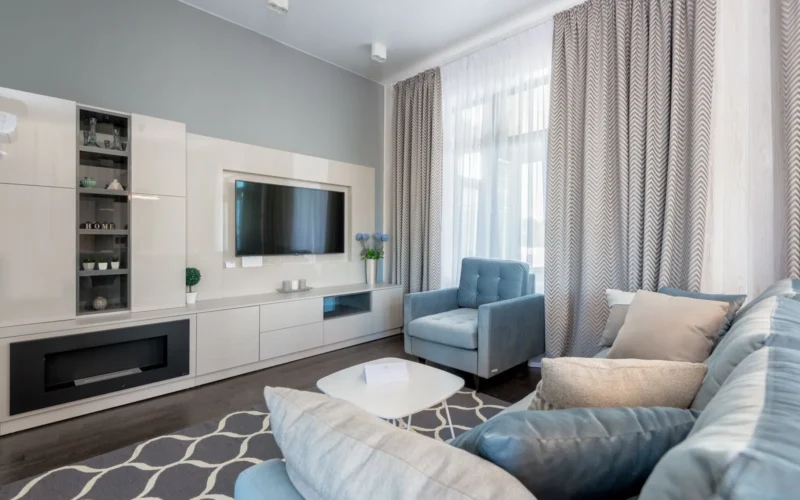
When you can see floor beneath a sofa or bed frame, the room feels less blocked. I swapped a heavy upholstered ottoman for a slim-legged coffee table in my living room, and the open floor space made the whole area feel airier—same square footage, less visual weight.
The same logic applies to nightstands, shelving units, and accent chairs. Avoid wide, squat pieces that hug the floor; a tall, narrow bookshelf uses vertical space more efficiently and keeps sightlines clear. For specific layout strategies, see our guide on how to arrange furniture in small rooms.
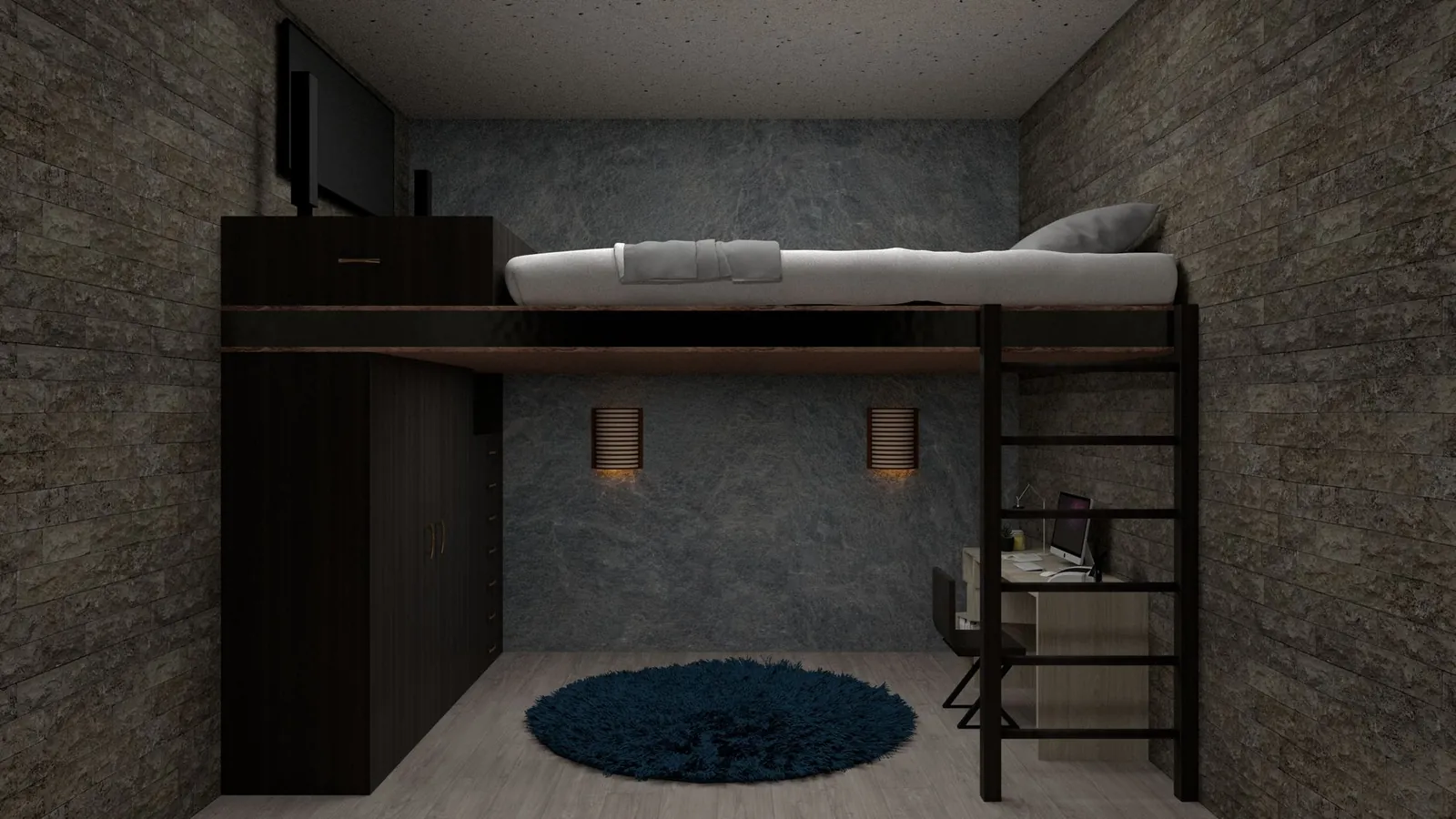
Reduce Visual Clutter
A crowded surface gives the eye nowhere to land, which makes a room feel compressed. A nightstand holding a lamp and a book reads as more spacious than one covered in ten items—same nightstand, same room.
Use closed storage for daily-use items: drawers, cabinets, and lidded baskets keep surfaces calm. Open shelving works, but leave 20–30% of each shelf empty and group items by color or type. A tightly packed shelf looks like clutter even when everything on it is intentional.
Use a Cohesive Color Palette
Stick to one main color (a light neutral), one or two accents, and a trim color that matches or closely echoes the main. For example: pale gray walls, white trim, and navy in the pillows and one piece of artwork. Your brain processes a unified palette as more spacious than a fragmented one—too many competing colors make a room feel busy and smaller than it is. In a small room, three or four distinct colors is the practical ceiling.
Hang Curtains High and Wide
Mount the rod 4–6 inches below the ceiling, even if the window doesn’t reach that high. This draws the eye upward and makes the ceiling feel taller. Extend the rod 8–12 inches beyond the window frame on each side so the curtain panels clear the glass when open, letting in full light and making the window—and the wall—read as wider.
Sheers or light-colored curtains suit small rooms better than heavy ones. They soften the light rather than blocking it.
Add Vertical Elements
Tall, narrow pieces pull the eye upward: a floor-to-ceiling bookshelf, a slim floor lamp, or one large vertical canvas all reinforce the sense of height. Resist the urge to fill every inch of wall—empty wall space actually makes a room breathe. In a tight room, one large piece of art reads as more spacious than a gallery wall of six small ones.
The goal isn’t to remove furniture; it’s to create sightlines so your eye can move through the room without obstruction.
Frequently asked questions
Does paint color really make a room feel bigger?
Yes, noticeably so. Light colors reflect light and make walls feel farther away; dark colors absorb light and make them feel closer. I’ve seen the same room feel 15–25% larger just from repainting. The effect is strongest in natural light, but it works under artificial light too.
What’s the best mirror size for a small room?
A single large mirror—4×6 feet or bigger—works better than multiple small ones. It creates a stronger illusion of depth and keeps sightlines clean. Position it opposite a light source, whether a window or a lamp, to get the most out of the reflection. Expect to spend $60–$200 for a good-quality large mirror.
Can I use dark colors in a small room?
You can, but treat them as accents rather than covering all four walls. A single dark accent wall can add depth if the other three walls stay light. Dark furniture against light walls can work well too. The trade-off is straightforward: the more dark color, the more the room closes in.
Does furniture arrangement affect how big a room feels?
Absolutely. Floating furniture a few inches away from walls, choosing pieces with exposed legs, and keeping walking paths clear all open a room up. Pushing everything against the walls—a common instinct in small spaces—often makes the room feel smaller because it emphasizes the perimeter. See our guide on arranging furniture in small rooms for specific layouts.
How much does it cost to make a room look bigger?
Most of these changes are inexpensive. Paint runs $20–$50 per gallon; a large mirror costs $60–$200; curtains and a new rod run $40–$150; rearranging furniture is free. Starting with paint and one good mirror, you can transform a room for under $300. New furniture costs more, but it isn’t necessary to see a real difference.

Ellen has renovated three houses, killed more seedlings than she admits, and writes about both.