This article may contain affiliate links. If you buy through them we may earn a commission at no extra cost to you.
The right area rug starts with size—get that wrong and nothing else matters. After size, material determines how long the rug survives your household, and color determines whether it pulls the room together or fights with everything in it. Here’s how I work through each decision before I spend a dollar.
Measure Your Room and Furniture Layout
A rug that’s too small makes a room feel choppy; one that’s too large overwhelms the space. I measure my rooms and sketch the furniture placement before I shop, because eyeballing it at the store almost always leads to a return trip.
Standard rug sizes and room fit
Most area rugs come in these widths: 3×5, 5×8, 6×9, 8×10, and 9×12 feet. For a living room with a sofa and chairs, I aim for the rug to anchor the seating group—at least the front legs of major furniture should sit on it. A 5×8 or 6×9 works for most living rooms; step up to an 8×10 if your room is larger than 200 square feet.
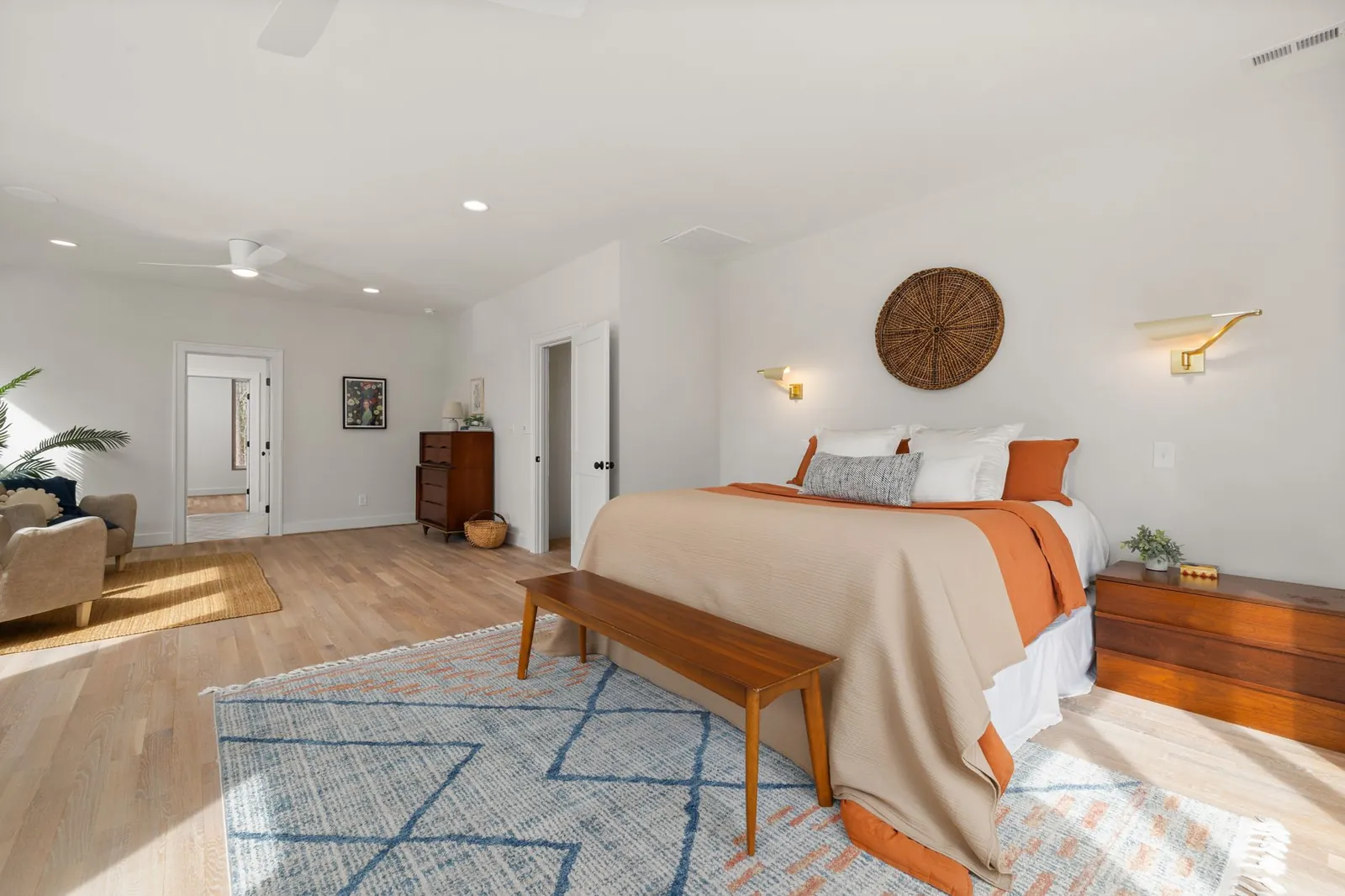
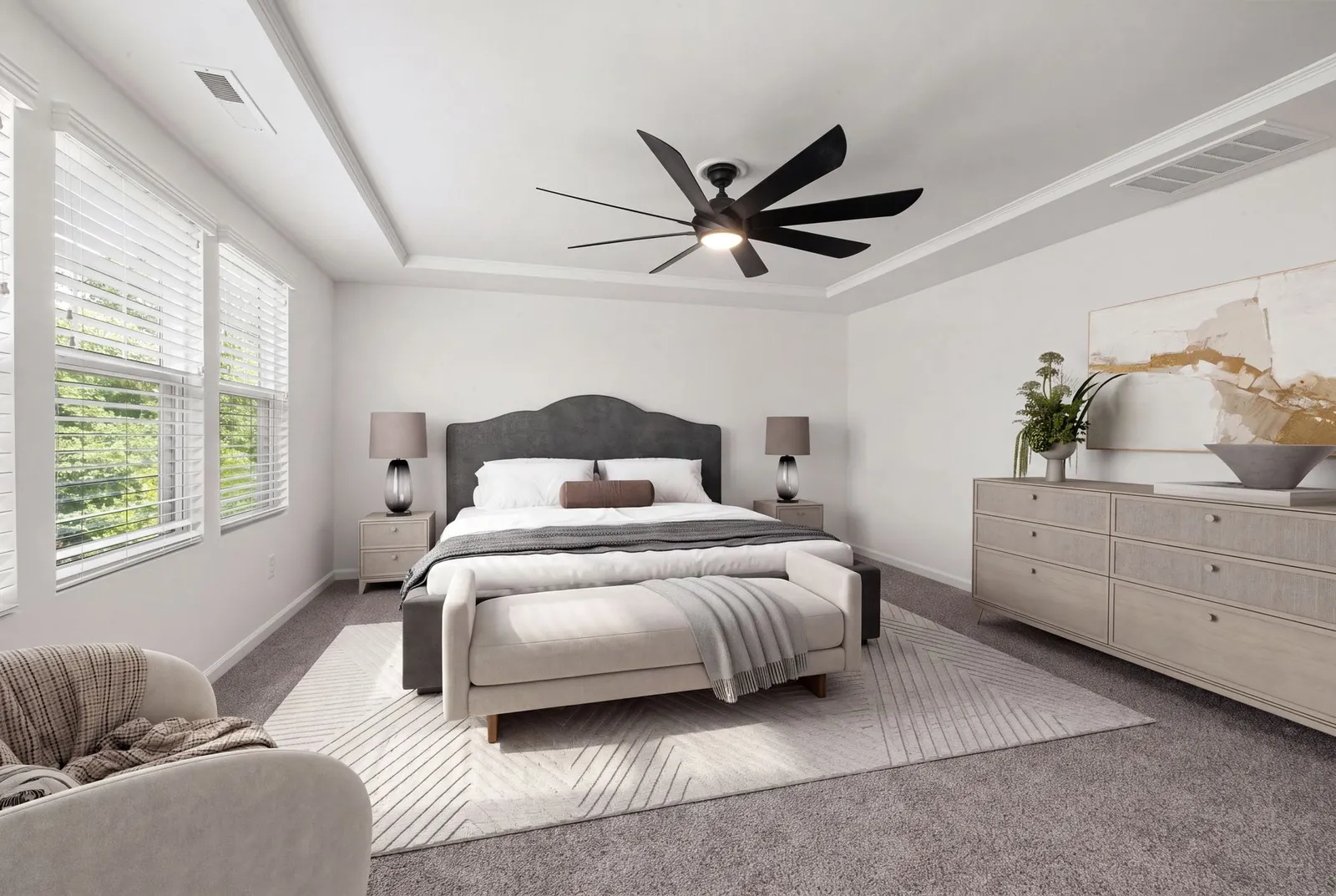
In a bedroom, I place a rug at the foot of the bed or run one down each side. A 5×8 fits well alongside a queen or king in a standard bedroom. For hallways and entryways, a 3×5 or a runner (typically 2.5×8 feet) is enough.
The furniture placement rule
In a living room, either all front legs of the seating land on the rug, or all legs stay off it. Half-on, half-off looks unfinished every time. In a dining room, extend the rug at least 24 inches beyond the table on all sides—that’s the minimum clearance for a chair to pull out without catching the edge.
Select a Material That Matches Your Lifestyle
The material determines how long your rug lasts and how much work it takes to keep clean. My choice depends on who lives in my house and how hard each room gets used.
Wool rugs
Wool is my first choice for living rooms and bedrooms with moderate traffic. It repels dirt naturally, holds color well, and feels good underfoot. A 100% wool rug runs $400–$1,200 for a 5×8 and typically lasts 10–15 years. The trade-off: it needs professional cleaning every one to two years, which adds roughly $75–$150 per visit depending on size and your area.
Synthetic fibers (polypropylene, nylon, polyester)
Synthetics cost $150–$500 for a 5×8 and are easy to maintain—I vacuum them and spot-clean with mild soap. They’re the practical pick for kitchens, hallways, and high-traffic areas. Expect 5–7 years of life rather than 10–15. Within the category, nylon is tougher than polypropylene; polyester feels softer but stains more readily.
Natural fibers (jute, sisal, seagrass)
These run $200–$700 for a 5×8 and suit casual spaces like dens or sunrooms. Jute is softer than sisal; seagrass is the most durable of the three. None of them hide dirt well, and all can feel scratchy barefoot—reasons I avoid them in bedrooms and playrooms.
Wool-synthetic blends
An 80/20 wool-nylon blend ($250–$800 for a 5×8) is what I reach for when I want both softness and stain resistance. It splits the difference between the durability of wool and the easier care of synthetics.
Choose a Color and Pattern
I pick a rug color that either matches my largest furniture piece or deliberately contrasts it—the mistake is choosing something that almost matches and looks accidental.
Neutral rugs
Grays, beiges, and taupes work with nearly any décor and hide everyday dirt well. They’re a safe foundation, but a room full of neutrals can feel flat. I use them as a base and add color through pillows and artwork instead.
Bold or patterned rugs
A patterned rug can anchor a room’s entire design—and it hides stains better than a solid. If your sofa is neutral, pattern on the floor adds life. If your sofa is already bold, a simpler rug keeps the room from competing with itself.
Checking color at home
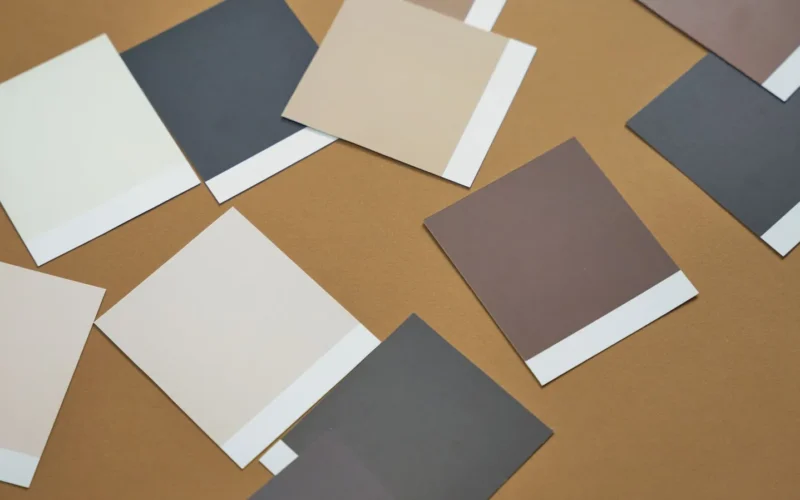
I bring paint swatches or a fabric sample from my sofa to the store and hold them against rug samples under the store’s lighting. Store lighting is almost always brighter and whiter than what you have at home, so what looks right there can read differently once it’s on your floor. If the retailer offers a 30-day return window—most big-box stores and many online retailers do—I take the rug home before I commit.
Pile Height and Texture
Low-pile rugs (under 0.5 inches) vacuum easily and hold up in high-traffic spots. High-pile or plush rugs (0.75–1.5 inches) feel luxurious but trap dirt and need more frequent cleaning. My rule of thumb: low-pile in kitchens and hallways, medium-pile in living rooms, high-pile in bedrooms where comfort matters more than practicality.
A rug that’s too small makes a room feel choppy; one that’s too large overwhelms the space.
Rug Padding
A pad prevents slipping, reduces noise, and protects your floor—and it extends the rug’s life by reducing wear at the backing. Budget $40–$150 depending on rug size. Rubber or felt-rubber pads work on most floors; on hardwood, choose a pad specifically labeled non-marking so it doesn’t leave residue.
I lay the pad first, then center the rug on top. At corners where kids or pets might catch an edge, a strip of double-sided rug tape solves the problem for a few dollars.
Budget and Where to Buy
| Material | 5×8 price range | Expected lifespan |
|---|---|---|
| Synthetic (polypropylene, nylon) | $150–$500 | 5–7 years |
| Natural fiber (jute, sisal) | $200–$700 | 5–8 years |
| Wool-synthetic blend | $250–$800 | 8–12 years |
| 100% wool | $400–$1,200 | 10–15 years |
| Premium or designer | $2,000+ | 15+ years |
Big-box stores offer quick, easy returns—useful when you’re not sure about color. Online retailers carry wider selections and are often cheaper, but shipping on a large rug can add $50–$200 to the price. Local rug shops cost more but give you expert advice and, sometimes, custom sizing. I shop online when I know exactly what I want and locally when I’m still figuring it out.
Care and Maintenance
I vacuum low-pile rugs weekly and high-pile rugs twice a week—dirt that works down into the pile cuts fibers from below. For spills, blot with a damp cloth immediately; rubbing spreads the stain and damages the weave. Wool and natural fiber rugs benefit from professional cleaning every 12–18 months. A well-maintained synthetic can go two to three years between professional cleanings if you spot-clean consistently.
Frequently asked questions
What size rug should I buy for a 12×14 living room?
For a 12×14 room, I’d choose an 8×10 or 9×12 rug. An 8×10 leaves a visible border of flooring and works when furniture sits away from the walls. A 9×12 fills more of the space and is the better fit for a large sectional or a central seating group you want fully anchored.
Can I put an area rug over carpet?
Yes, but use a non-slip pad underneath to prevent bunching. The pad should be slightly smaller than the rug so it doesn’t show at the edges. This works well in bedrooms or living rooms where you want to add warmth or color over existing carpet.
How do I remove stains from an area rug?
For fresh spills, blot immediately with a clean, damp cloth. For set-in stains, mix a small amount of mild dish soap with cool water, apply to the spot, and blot again. Avoid hot water and scrubbing, which damage fibers. For tough stains, call a professional cleaner rather than risk making the damage permanent.
Is a wool rug worth the cost?
If your room has moderate traffic and you can stretch the budget, yes. Wool lasts 10–15 years, resists stains naturally, and feels better underfoot than synthetics. If you have young kids, pets, or a tight budget, a wool-synthetic blend or a quality nylon rug is the smarter trade-off.
What’s the difference between a rug and a carpet?
A rug is a standalone floor covering that sits on top of existing flooring; carpet is installed wall-to-wall and is part of the floor itself. Area rugs are portable and far easier to replace or rearrange than carpet.

Ellen has renovated three houses, killed more seedlings than she admits, and writes about both.