This article may contain affiliate links. If you buy through them we may earn a commission at no extra cost to you.
Start your spring garden work the moment the soil crumbles in your fist rather than clumping into a mud ball—usually late February in zones 8–9, mid-March in zones 6–7, and April in zones 4–5. The sequence matters: clear debris first, then prune, then test and amend soil, then edge and mulch. Getting that order right means amendments go in before you disturb roots and mulch goes down after edges are cut.
Clear Winter Debris and Dead Growth
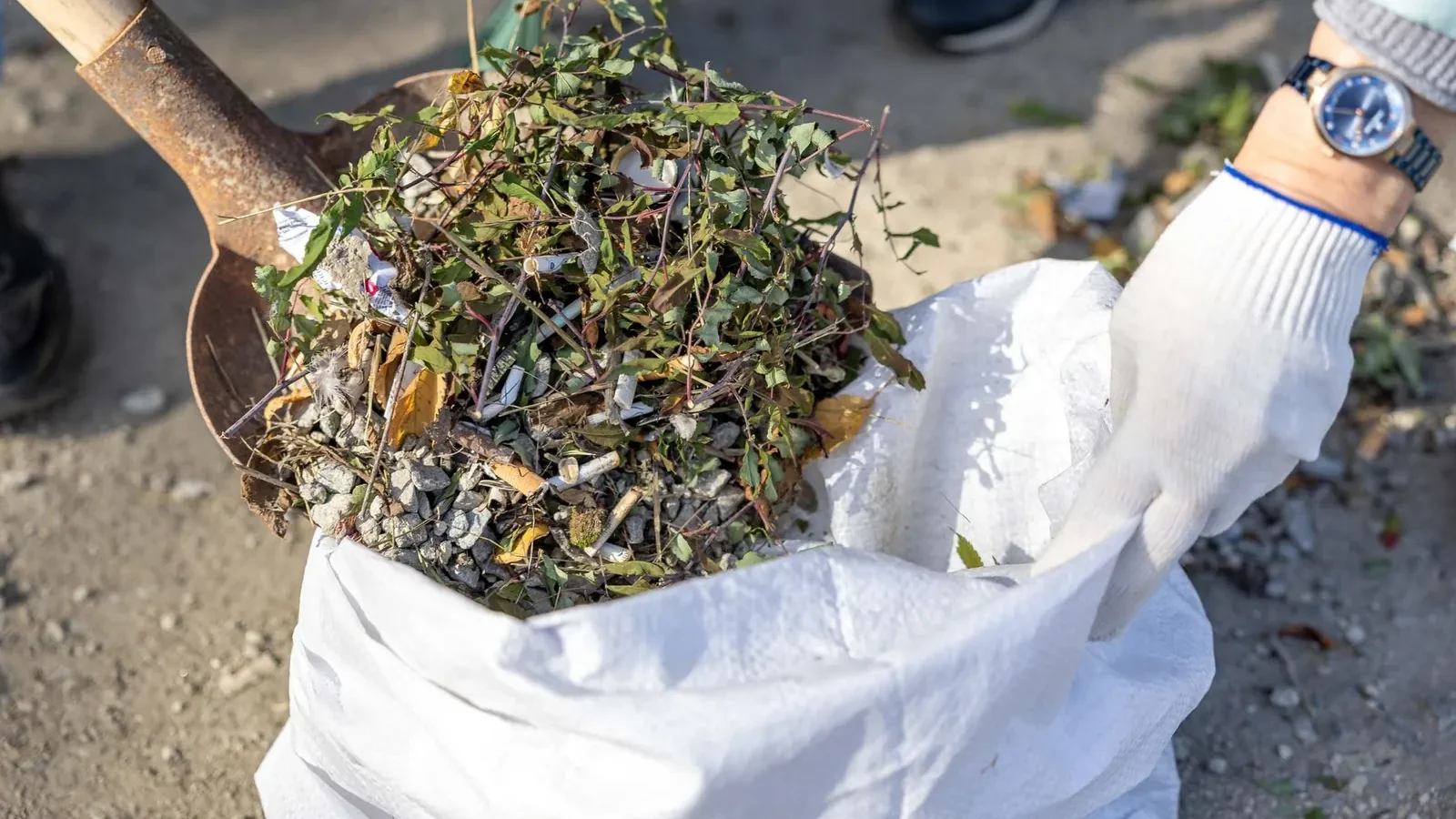
Begin with dead leaves, fallen branches, and winter-damaged plant material. Soggy soil compacts under foot traffic, so hold off on this until that squeeze test passes. Once it does, work through beds systematically rather than raking everything into one pile—it’s faster to bag as you go.
What to clear
- Dead annuals and perennials from last year
- Fallen leaves and twigs from beds and borders
- Winter-damaged evergreen branches (cut back to live green tissue)
- Matted or moldy mulch
Bag diseased material or burn it where local ordinances allow. Healthy leaves and small twigs go straight into the compost pile. Clearing also exposes dark soil to direct sun, which can raise soil temperature by 5–10°F and pull germination dates forward by a week or two.
Prune Dormant Shrubs and Trees
The window between bud swell and leaf-out is ideal for most deciduous shrubs and trees. Pruning while plants are still dormant lets them direct early-season energy into healing cuts and pushing new growth rather than replacing foliage you’ve just removed.
What to prune
- Dormant deciduous shrubs: forsythia, lilac, viburnum, and panicle hydrangea (before mid-spring)
- Trees: remove dead, crossing, or rubbing branches
- Spring-flowering shrubs: prune immediately after flowering, not now—pruning forsythia or magnolia in early spring removes the flower buds
- Evergreens: light cleanup only; hold major pruning until late spring
Match your tool to the branch diameter: bypass pruners for anything under ½ inch, loppers for ½ to 1½ inches, a pruning saw for anything thicker. Dull blades crush rather than cut, leaving ragged wounds that are slow to callus. A decent bypass pruner runs $15–$25, loppers $20–$40, and a folding pruning saw $25–$50.
Prune to shape and thin crowded growth, not to reduce height; cutting the top encourages dense, twiggy regrowth that defeats the purpose.
Test Soil and Amend as Needed
Testing now gives you 2–4 weeks to work amendments in before planting—enough time for lime or sulfur to begin shifting pH. Most vegetables and ornamentals prefer a pH between 6.0 and 7.0. Your local cooperative extension tests soil for $15–$35 per sample and returns results with specific amendment recommendations, which home test kits ($10–$20) don’t provide.
How to test
- Take samples from 4–6 spots in each bed, 4–6 inches deep
- Mix samples in a clean bucket to get a representative reading
- Send to your extension office or use a home kit
- Extension results take 1–2 weeks; home kits give same-day pH readings
Common amendments
- Compost: improves structure and feeds soil biology; apply 1–3 inches and work in lightly
- Lime: raises pH; use if soil tests below 6.0
- Sulfur: lowers pH; use if soil tests above 7.5
- Balanced fertilizer: 10-10-10 or similar; follow package rates based on your test results
Delivered compost runs $40–$80 per cubic yard. Work all amendments into the top 6–8 inches at least two weeks before planting.
Edge Beds and Refresh Mulch
A clean edge between lawn and bed does two things: it keeps grass roots from creeping into planting areas, and it makes the whole garden look deliberate rather than overgrown. I edge with a flat spade along a taut string line, undercutting slightly so the edge holds its shape longer.
Edging options
- Spade edging: free if you already own one; slice along the border and undercut at a slight angle
- Half-moon edging tool: $20–$40; cleaner result with less effort on established beds
- Permanent edging (steel, aluminum, or stone): $0.50–$3 per linear foot installed; eliminates annual re-edging
After edging, top up mulch to 2–3 inches. Shredded bark and wood chips suppress weeds well and break down slowly; compost breaks down faster and feeds the soil but needs replenishing more often. Either way, keep mulch 2–3 inches away from tree trunks and shrub stems—piling it against the bark traps moisture and invites crown rot.
Divide and Transplant Perennials
As new shoots push up in early spring, you have a narrow, ideal window to divide overcrowded clumps before top growth gets in the way. I divide spring bloomers now and summer or fall bloomers in September, so each plant has time to establish before its peak season.
What to divide
- Daylilies, hostas, coneflowers, black-eyed Susans
- Ornamental grasses (before new growth exceeds 6 inches)
- Sedums and spreading groundcovers
Dig the clump, rinse soil off the roots so you can see what you’re working with, and pull or cut apart sections with 3–5 shoots each. Replant at the same depth, water thoroughly, and keep the soil moist for 2–3 weeks while new roots settle in.
Start Seeds Indoors and Plan Outdoor Planting
Count back 6–8 weeks from your last expected frost date to find your indoor seed-starting window. For a zone 6 garden with a May 1 frost date, that means starting tomatoes and peppers in mid-March. Find your frost date at almanac.com or through your county extension office.
Indoor seed-starting basics
- Use sterile seed-starting mix, not garden soil ($5–$10 per bag)
- Provide 14–16 hours of light daily with a grow light ($20–$60 for a basic LED strip)
- Keep soil moist but not waterlogged—soggy mix causes damping off
- Thin to one seedling per cell once they reach 1 inch tall
- Harden off outdoors for 7–10 days before transplanting
For direct outdoor sowing, tomatoes, peppers, eggplant, and basil need soil at 60°F or warmer—a $10 soil thermometer removes the guesswork. See our guide to when to plant tomatoes in your zone for timing by region.
Inspect and Repair Garden Infrastructure
A quick walk-through now catches problems that become real headaches once plants are growing through or around them. Check trellises, fences, raised beds, and irrigation lines before you need any of them.
Spring inspection checklist
- Tighten loose fence posts and rails
- Repair or replace damaged trellises and stakes
- Check raised beds for rot or settling; add fresh soil if the level has dropped
- Flush and test irrigation lines; replace cracked drip tape or soaker hoses
- Sharpen pruner and hoe blades; oil wooden tool handles
Most small repairs cost $10–$50 in parts. Replacing a raised bed corner post now takes 20 minutes; replacing it in July, with squash vines woven through the frame, takes considerably longer.
Tackle Lawn Care Basics
Once soil temperature holds at 50°F consistently—the point at which cool-season grass resumes active growth—rake out thatch, overseed bare patches, and set your mower blade to 3–3.5 inches for the first few cuts. If crabgrass was a problem last year, pre-emergent herbicide must go down before soil reaches 55°F, which in many zones means late March or early April.
For a detailed month-by-month plan, see our lawn care schedule for beginners.
Frequently asked questions
When should I start my spring garden checklist?
Start as soon as the soil is workable—usually late February in zones 8–9, mid-March in zones 6–7, and April in zones 4–5. Soil is workable when you can squeeze a handful and it crumbles rather than forming a mud ball. Working wet soil collapses the air pockets that roots depend on.
Do I need to fertilize in spring if I’m adding compost?
Not always. A 2–3 inch layer of finished compost supplies enough nitrogen and micronutrients for most vegetables and ornamentals through early summer. If your soil test shows specific deficiencies, or you’re growing heavy feeders like tomatoes or sweet corn, add a balanced fertilizer (10-10-10) at planting time and follow package rates—more is not better.
Can I prune flowering shrubs in spring?
It depends on bloom time. Prune spring bloomers—forsythia, lilac, magnolia—right after they finish flowering. Prune summer and fall bloomers—panicle hydrangeas, butterfly bush—in early spring before new growth. Cutting spring bloomers before they flower removes the buds you waited all winter for.
How often should I water newly planted perennials and seedlings?
Keep soil consistently moist but not soggy for 2–3 weeks while roots establish. In spring, that typically means watering every 2–3 days unless rain does the work. Once plants push new growth and roots go deeper, stretch the interval gradually. Established perennials in average soil usually need supplemental water only when rainfall drops below 1 inch per week.
Is early spring too early to plant tender annuals outdoors?
Yes—wait until after your last frost date and until soil has warmed to at least 60°F. Impatiens, marigolds, and zinnias planted in cold soil stall, rot at the root, or die back in a late frost even if the air temperature looks safe. Harden off seedlings for 7–10 days first, and keep an eye on the overnight forecast for the first two weeks after transplanting.

Rob is a former carpenter who now explains home repairs so you only have to do them once.