This article may contain affiliate links. If you buy through them we may earn a commission at no extra cost to you.
For shedding dogs and cats, you need at least 2500 Pa of suction, a rubber roller brush, and a dustbin you’ll realistically empty every one or two runs. I’ve tested models across the $300–$1400 range, and the gap between pet-friendly designs and standard robot vacuums is significant enough to cost you real cleaning time if you buy the wrong one.
What Makes a Robot Vacuum Good for Pet Hair
Three specs separate capable pet-hair models from the ones that clog and quit.
Suction strength
Look for 2500–4000 Pa. That range handles embedded fur on medium-pile carpet and picks up hair from tile grout without bogging down. Below 2000 Pa—where many budget models land—you’ll see hair left behind in a single pass on carpet.
Brush type
Rubber roller brushes let hair roll off rather than wrap around the axle. Traditional bristle brushes snag fur within a few runs and need clearing every few days with heavy shedders. Combination brushes (rubber plus bristles) work reasonably well on mixed flooring but still require more frequent cleaning than pure rubber rollers.
Dustbin size and emptying frequency
Standard bins hold 0.3–0.5 liters—enough for light shedding, but with two dogs or a long-haired cat you’ll empty after every single run. Bins in the 0.6–0.8-liter range stretch that to two or three runs. Self-emptying base stations hold 30–60 days of debris and cost $200–$400 more upfront; they pay back in time if you have multiple pets or a home over 2000 sq ft.
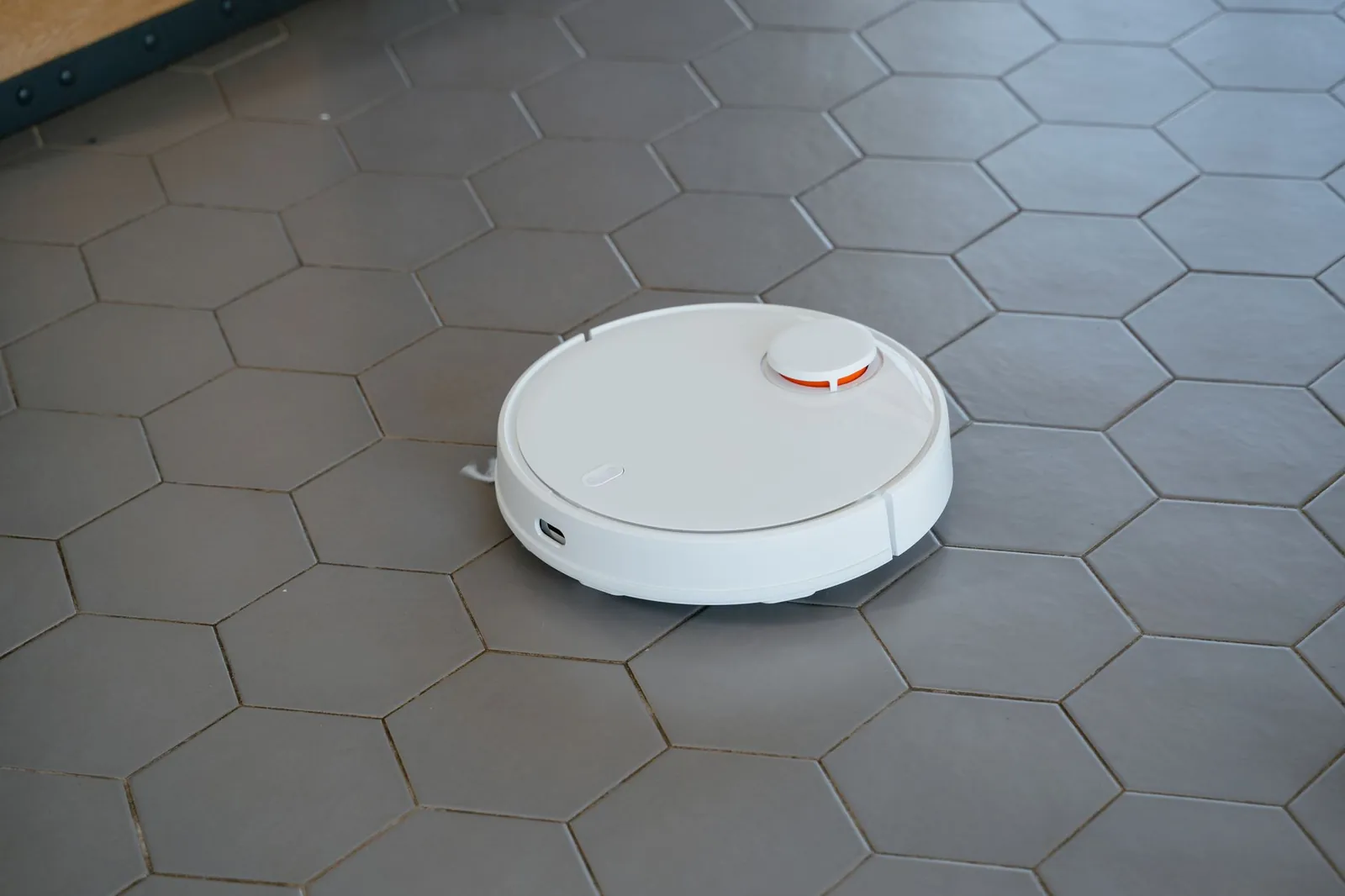
Top Robot Vacuums for Pet Hair: Comparison
| Model | Suction (Pa) | Brush Type | Dustbin (L) | Self-Emptying | Price |
|---|---|---|---|---|---|
| Shark AI Ultra | 4000 | Rubber roller | 0.6 | Yes | $699–$799 |
| iRobot Roomba j7+ | 1800 | Dual multi-surface | 0.4 | Yes | $599–$649 |
| Bissell Icon | 3000 | Tangle-free brush | 0.6 | No | $399–$499 |
| Samsung Jet Bot AI+ | 3000 | Dual rubber brush | 0.4 | Yes | $799–$899 |
| Ecovacs Deebot X1 Omni | 4000 | Rubber roller | 0.42 | Yes | $1299–$1399 |
Prices shift with retailer and season. The Shark AI Ultra dropped to $549 during last Black Friday; the Bissell Icon regularly hits $299 on sale. Check current pricing before you buy.
Best Value: Bissell Icon
The Bissell Icon is the pick if you want strong pet-hair performance without paying for a self-emptying base. Its 3000 Pa suction and tangle-free brush handle heavy shedding, and the 0.6-liter bin—larger than most competitors at this price—means fewer manual empties. At $399–$499, it costs $200–$400 less than self-emptying alternatives.
The honest trade-off: with a heavy shedder you’ll empty the bin every one to two runs. The companion app is basic—scheduling and cleaning history, no room-specific controls. Maintenance is simple: rinse the brush weekly, wipe the sensors monthly with a dry cloth.
Best Self-Emptying: Shark AI Ultra
I’ve run the Shark AI Ultra in a home with two shedding dogs and a cat. It handles the fur load without suction loss, and the 4000 Pa rating is the highest available at this price tier. The self-emptying base takes about 8 seconds per cycle and holds 30 days of debris before you touch it. Room mapping and no-go zones let you keep it away from pet food bowls or a cat’s litter area.
At $699–$799, it’s $400–$600 less than the Ecovacs Deebot X1 Omni and delivers comparable suction. For most pet owners, this is where the value ceiling is.
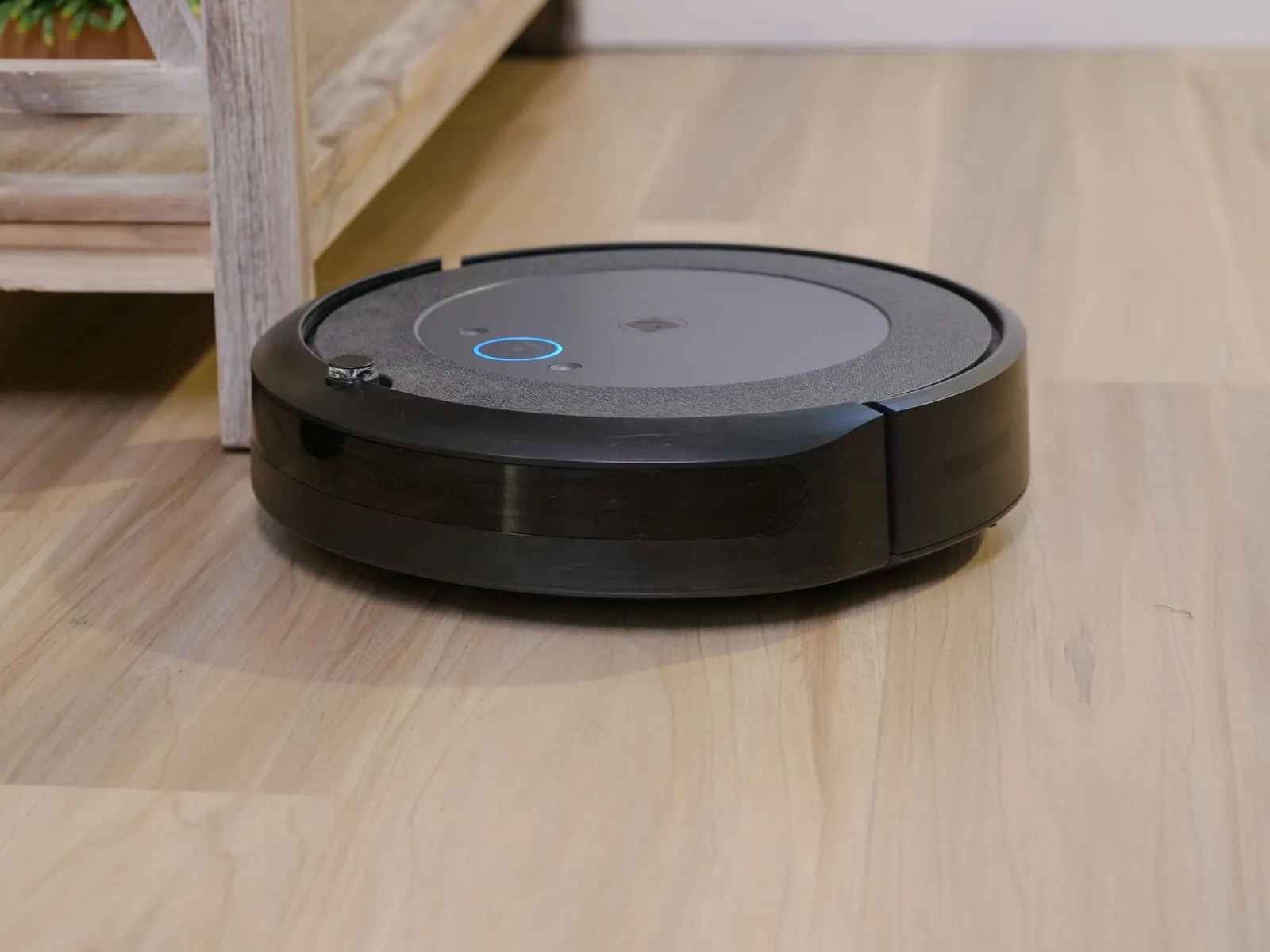
Premium Pick: Ecovacs Deebot X1 Omni
At $1299–$1399, the Deebot X1 Omni is a hard sell for a single-pet home. Where it earns the price: thick carpet over 1-inch pile, three or more pets, and homes above 3000 sq ft where the extra suction and auto-mop-wash dock reduce hands-on time to near zero. For everyone else, the Shark AI Ultra does roughly 85% of the job at half the cost.
Maintenance and Long-Term Costs
No robot vacuum is truly set-and-forget with pets in the house. Budget for these recurring costs:
- Weekly brush cleaning: 5 minutes to rinse the roller and clear wrapped hair. Skip it for two weeks and suction drops noticeably.
- Monthly sensor wiping: Dust on cliff sensors causes navigation errors. A dry cloth takes 30 seconds.
- Replacement brushes: $30–$80 per set, every 6–12 months. Multiple large dogs push that toward the 6-month end.
- Replacement filters: $20–$50 per filter, every 3–6 months. Pet hair loads filters faster than household dust alone.
A robot vacuum with pet hair is only as good as the brush you clean it with—neglect maintenance and you’re vacuuming air.
The vacuum unit itself typically lasts 4–6 years before the motor or battery degrades; self-emptying base stations generally outlast the vacuum by a year or two. Factor in $50–$130 per year in consumables when comparing models on price.
Robot Vacuum vs. Traditional Cleaning for Pet Owners
A robot vacuum handles daily shedding between deep cleans—it keeps hair from accumulating in corners and under furniture. It won’t reach stairs, tight spaces behind furniture legs, or upholstery. The most effective approach: run the robot vacuum three to five times per week and follow up with a traditional upright or handheld vacuum once a week. See our guide to robot vacuum vs upright vacuum for a detailed breakdown of when each tool earns its place.
Frequently asked questions
Do robot vacuums really work on pet hair?
Yes, if you choose one designed for it. Models with 2500+ Pa suction and tangle-resistant brushes handle pet hair well on carpet and hard floors. Expect to empty the bin every one to two runs rather than every three to four—that’s the main operational difference from a standard home without pets.
How often do I need to clean the brush?
With pets, clean the brush weekly. Wrapped hair reduces suction within days of a missed cleaning. Rinse the roller under warm water, let it air dry fully before reinstalling, and you’ll keep performance consistent.
Will a robot vacuum work on thick carpet?
Thick carpet over 1 inch of pile is harder for most robot vacuums. Look for 3500+ Pa if that’s your primary floor type. Some models also struggle to cross thick carpet-to-hardwood transitions—worth testing in your home during any return window.
Is a self-emptying base worth the cost?
For two or more pets or a home over 2000 sq ft, the $200–$400 premium typically pays back in 10–15 minutes of saved weekly labor and less direct contact with pet hair. For a single pet in a smaller home, a standard model with a 0.6-liter bin is sufficient.
Can I use a robot vacuum if my pet sheds year-round?
Yes. Run it three to five times per week during peak shedding seasons (spring and fall) and two to three times per week otherwise. A self-emptying model makes high-frequency scheduling easier. Pair it with a weekly upright vacuum pass for the areas the robot can’t reach.

Rob is a former carpenter who now explains home repairs so you only have to do them once.