This article may contain affiliate links. If you buy through them we may earn a commission at no extra cost to you.
An upright vacuum cleans more thoroughly in a single pass. A robot vacuum cleans more often without you lifting a finger. If you have stairs, thick carpet, or heavy pet hair, get an upright. If you have mostly hard floors and an open layout, a robot handles daily maintenance well—and many households run both.
How They Work Differently
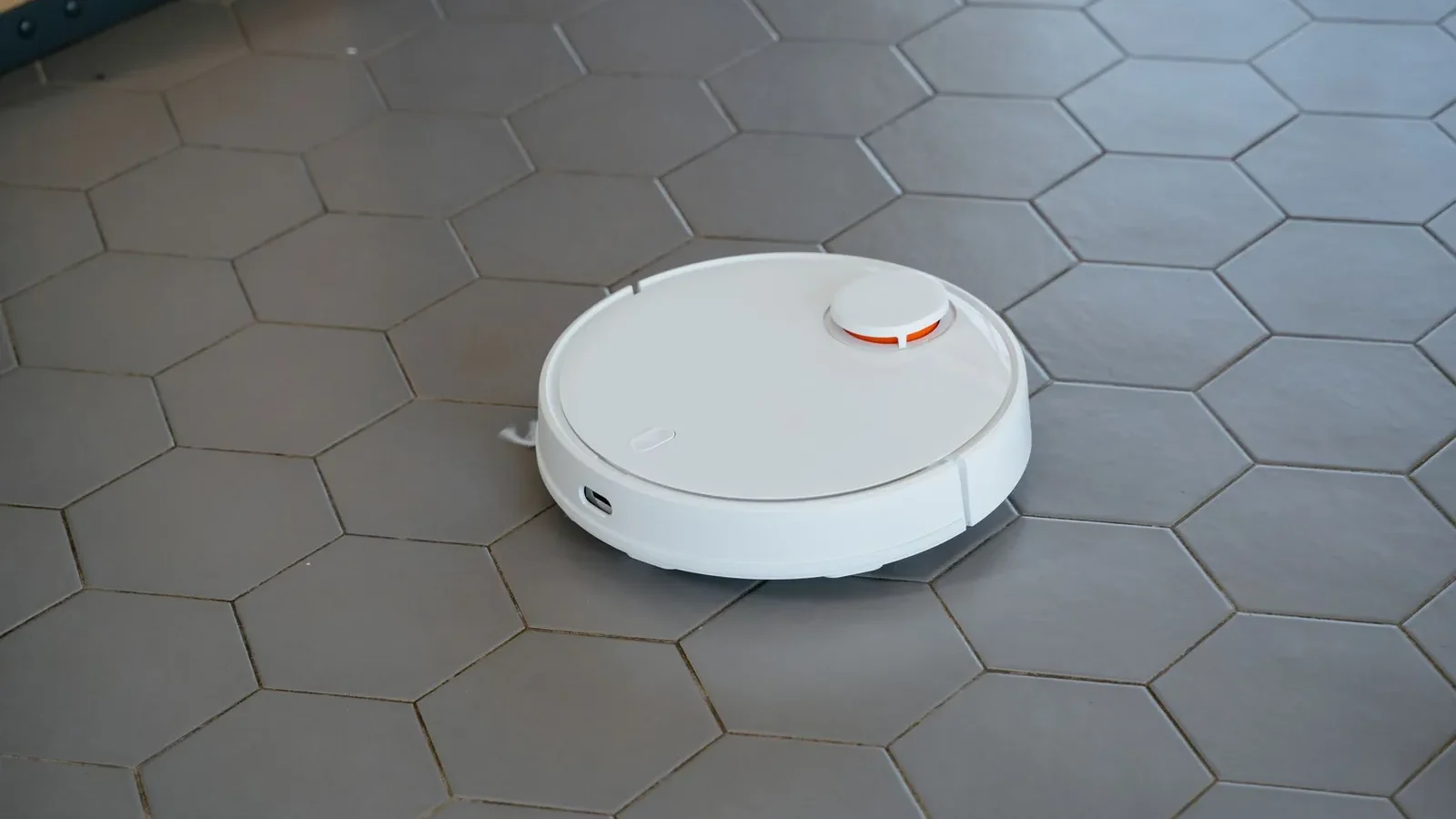
An upright uses a motor-driven brush roll and strong suction to pull dirt into a bag or tank as you push it across the floor. You control the path, the pressure, and the timing. A robot is a disc-shaped device with a smaller brush and suction that navigates on its own, docks to recharge, and runs on a schedule or app command whether you’re home or not. That difference in who does the work shapes every trade-off below.
Cleaning Power and Effectiveness
Upright vacuums
Uprights run on household current, so they’re not battery-limited. Most corded models deliver 150 to 300+ air watts of suction—enough to pull embedded grit from thick carpet in one pass. You see the result immediately. On high-pile or plush carpet, nothing a robot does comes close.
Robot vacuums
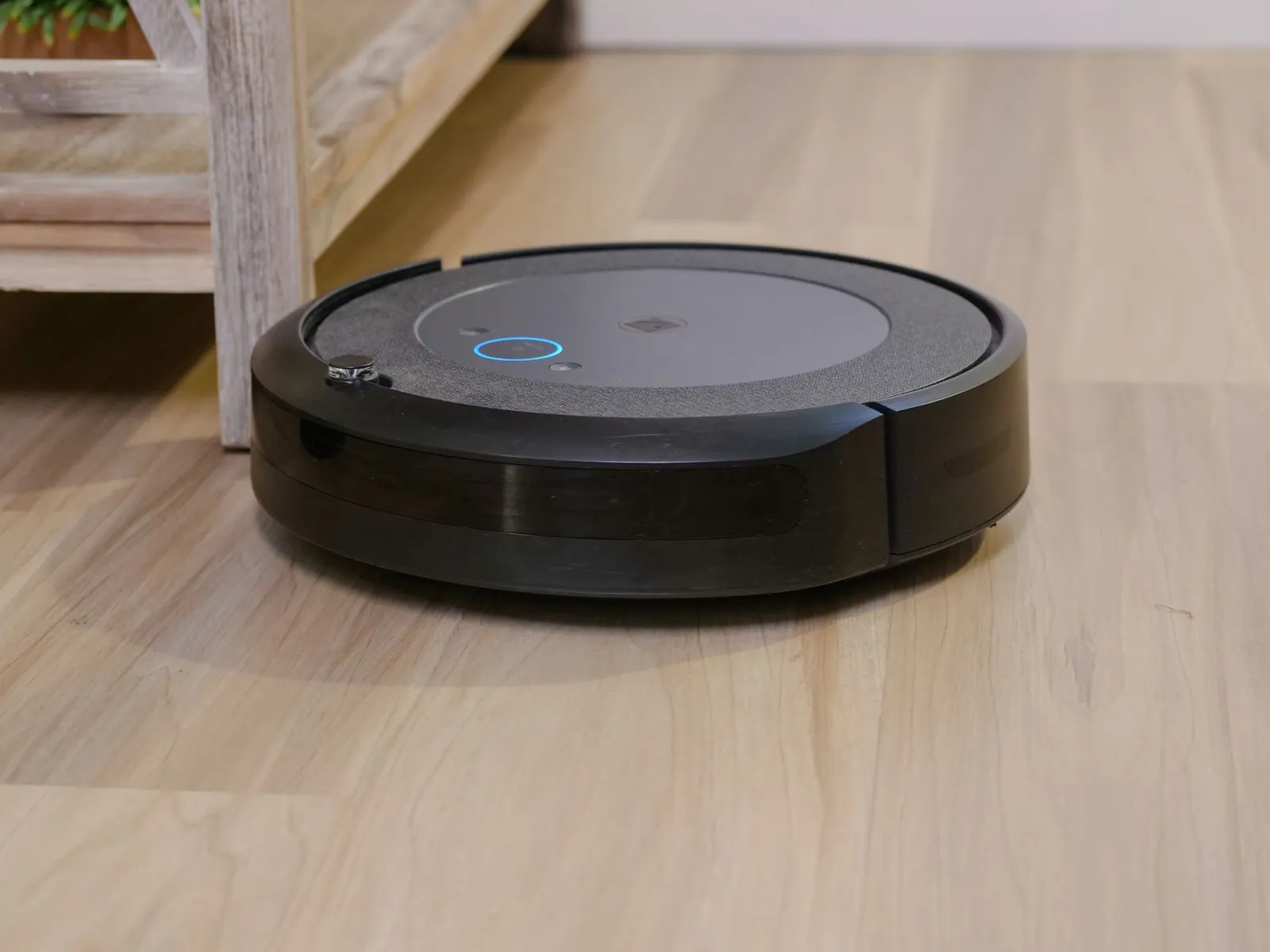
Battery constraints keep robot suction in the 40–150 air watt range. On bare floors and low-pile carpet, that’s enough to pick up daily dust, crumbs, and light pet hair. On high-pile carpet, suction drops and the robot may struggle to move at all. The workaround is frequency: a robot run every day keeps surface debris from building up, which reduces how hard your weekly upright session has to work.
A robot vacuum is maintenance cleaning; an upright is the deep clean.
Cost Comparison
| Factor | Robot Vacuum | Upright Vacuum |
|---|---|---|
| Initial purchase | $300–$1,200 | $150–$700 |
| Replacement parts (annual) | $50–$150 | $20–$80 |
| Electricity (annual) | $15–$30 | $30–$60 |
| Lifespan | 4–6 years | 7–10 years |
A reliable corded upright runs $150–$400. Robot vacuums start around $300 for basic navigation and climb past $1,000 for models with laser mapping, self-emptying bases, and mopping. On pure purchase price, uprights win. The time argument shifts the math: a robot running daily while you work saves roughly 90 minutes of active vacuuming per month compared to twice-weekly upright sessions in a medium-sized home—though that number depends on your floor plan and how much you’d vacuum otherwise.
Maintenance and Hassle Factor
Upright vacuums
Empty the bag or tank, rinse the filter monthly, and pull hair from the brush roll every few uses. On a corded model, you’re tethered to an outlet. Cordless stick uprights need a charge between sessions. Total active maintenance: about 5–10 minutes a month.
Robot vacuums
The small dustbin fills fast—weekly emptying is typical, more often with pets. Sensors need occasional wiping. Hair wraps around the brush roll and must be cut free. Setup requires mapping your home and clearing the floor of obstacles: charging cables, pet toys, and small rugs can all stop a robot mid-run. It’s a more complex device with more ways to go wrong, even if the day-to-day effort is lighter.
Home Layout and Usability
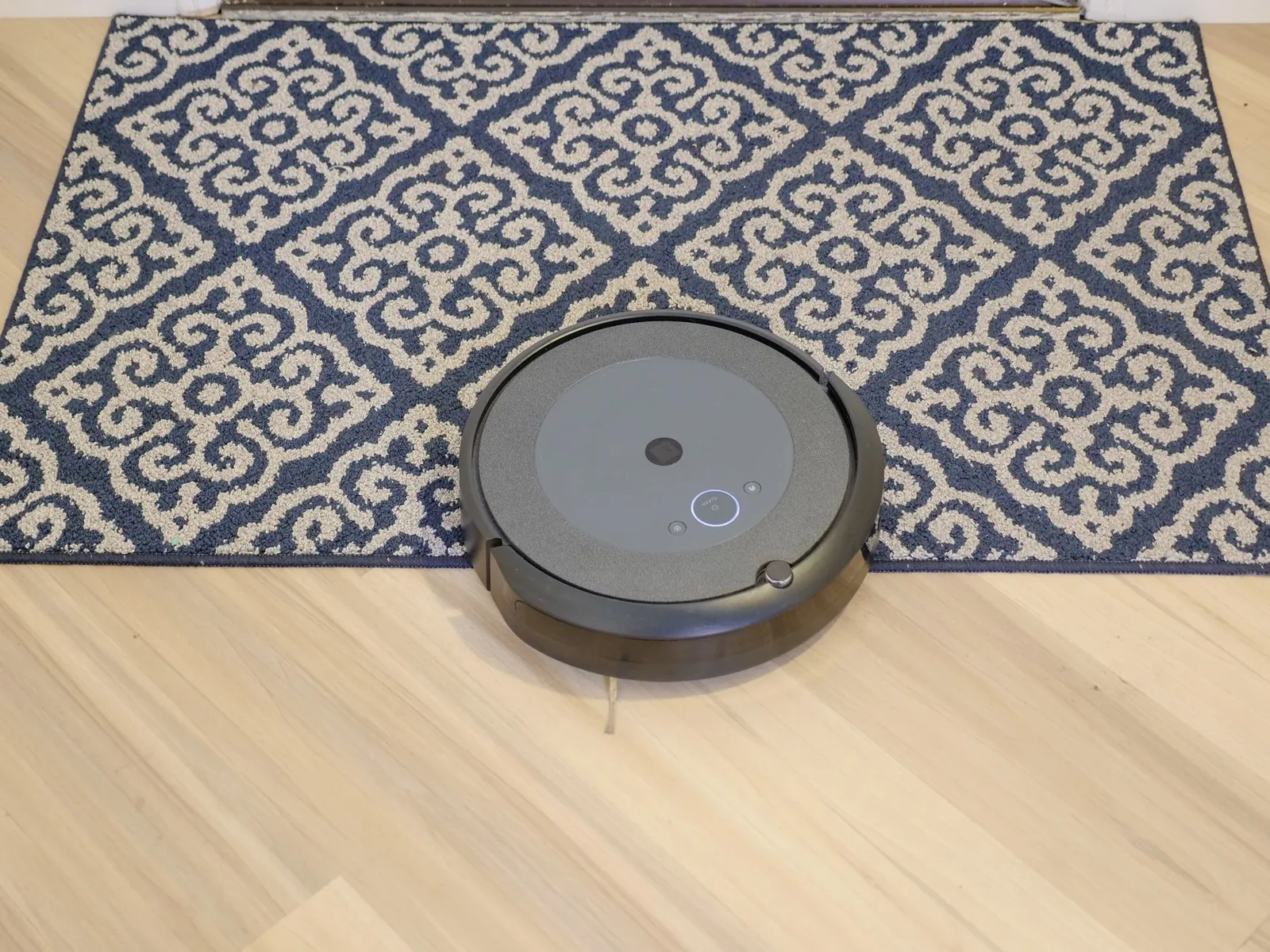
Robot vacuums work best if you have:
- Mostly hard floors or low-pile carpet
- An open floor plan with few obstacles
- A single level (robots can’t climb stairs)
- Minimal floor clutter
- A dedicated dock spot near a power outlet
Upright vacuums work best if you have:
- Stairs or multiple levels
- High-pile or thick carpet
- Heavy pet hair that needs aggressive removal (see our guide on robot vacuums for pet hair if you’re still considering one)
- Tight corners and dense furniture arrangements
- Immediate cleaning needs—you can’t wait for a scheduled run
Time and Convenience
A robot running daily asks about 10 minutes of your time per week—emptying the bin, clearing a sock from the brush. Over a month, that’s roughly 40 minutes of active effort.
An upright session in a 1,500 sq ft home takes 20–45 minutes. Weekly vacuuming adds up to 2–3 hours of active labor per month; twice-weekly with pets or kids doubles that. For anyone with limited mobility or a packed schedule, the robot’s autonomy is a genuine quality-of-life improvement, not just a convenience.
Noise and Disruption
Robot vacuums run at roughly 60–70 decibels—loud enough to notice, quiet enough to ignore during a phone call or while you sleep. Uprights hit 75–85 decibels and demand your full attention. The trade-off: a robot takes 45–90 minutes to cover the same area an upright clears in 20 minutes.
Pet Hair and Allergens
A motorized upright brush roll is still the most effective tool for pulling pet hair from carpet fibers. Long hair—from a golden retriever or a Maine Coon—tangles badly in a robot’s smaller brush and needs untangling every few days. That said, running a robot daily significantly reduces the hair load your upright has to tackle, which is why households with heavy shedders often find both machines earn their keep.
Our verdict
Buy an upright if you have stairs, high-pile carpet, or need reliable deep cleaning on a single machine. Buy a robot if you have mostly hard floors, one level, and want daily maintenance without the effort. If you can only afford one, the upright is more versatile and more powerful—but if your home suits a robot, it genuinely reduces the cleaning burden. The strongest setup is both: robot daily, upright weekly for deep cleaning and stairs.
Frequently asked questions
Can a robot vacuum replace an upright?
Not entirely. A robot handles daily dust and surface debris on hard floors and low-pile carpet, but it won’t deep-clean thick carpet, reach stairs, or pull embedded pet hair the way an upright does. If your home is single-level with mostly hard floors, you can get close—but most people with carpet or stairs still need an upright periodically.
Do robot vacuums work on carpet?
Yes, reliably on low-pile carpet. On high-pile or shag, suction drops and the robot may struggle to move across the surface. Standard builder-grade carpet is fine; anything plush or thick is where uprights pull ahead.
How often should I run a robot vacuum?
Daily or every other day. Running it less frequently lets debris accumulate to a point where the robot’s suction is less effective per pass. Most owners set a morning schedule timed to when they leave for work.
Are robot vacuums worth the money?
For a single-level home with hard floors and an open layout, yes—the time savings are real. For a multi-story home, a small apartment you can vacuum in 15 minutes, or a tight budget, an upright gives you more cleaning per dollar.
Can you use a robot vacuum and upright together?
Absolutely—it’s the most common setup among households with pets or kids. The robot runs daily to keep surface debris down; the upright handles deep cleaning, stairs, and anything the robot misses. Each machine does less work, and both last longer for it.

Rob is a former carpenter who now explains home repairs so you only have to do them once.