This article may contain affiliate links. If you buy through them we may earn a commission at no extra cost to you.
In a 10×12 bedroom, a platform bed with four drawers plus a wall-mounted desk can replace a dresser, a freestanding desk, and a separate bed frame—cutting the number of floor-contact points from four pieces down to two. I’ve furnished three small bedrooms this way, and the difference in usable floor space is immediate. The picks below are ranked by impact per square foot, with real price ranges so you can plan a budget before you shop.
Platform Beds with Built-In Storage
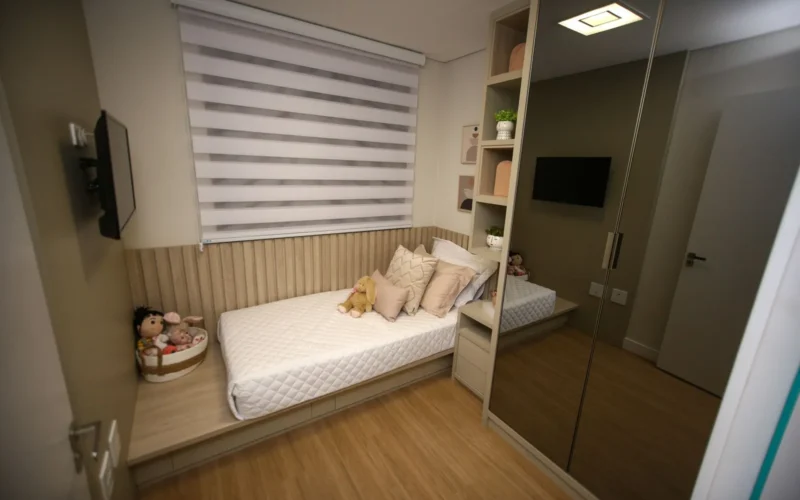
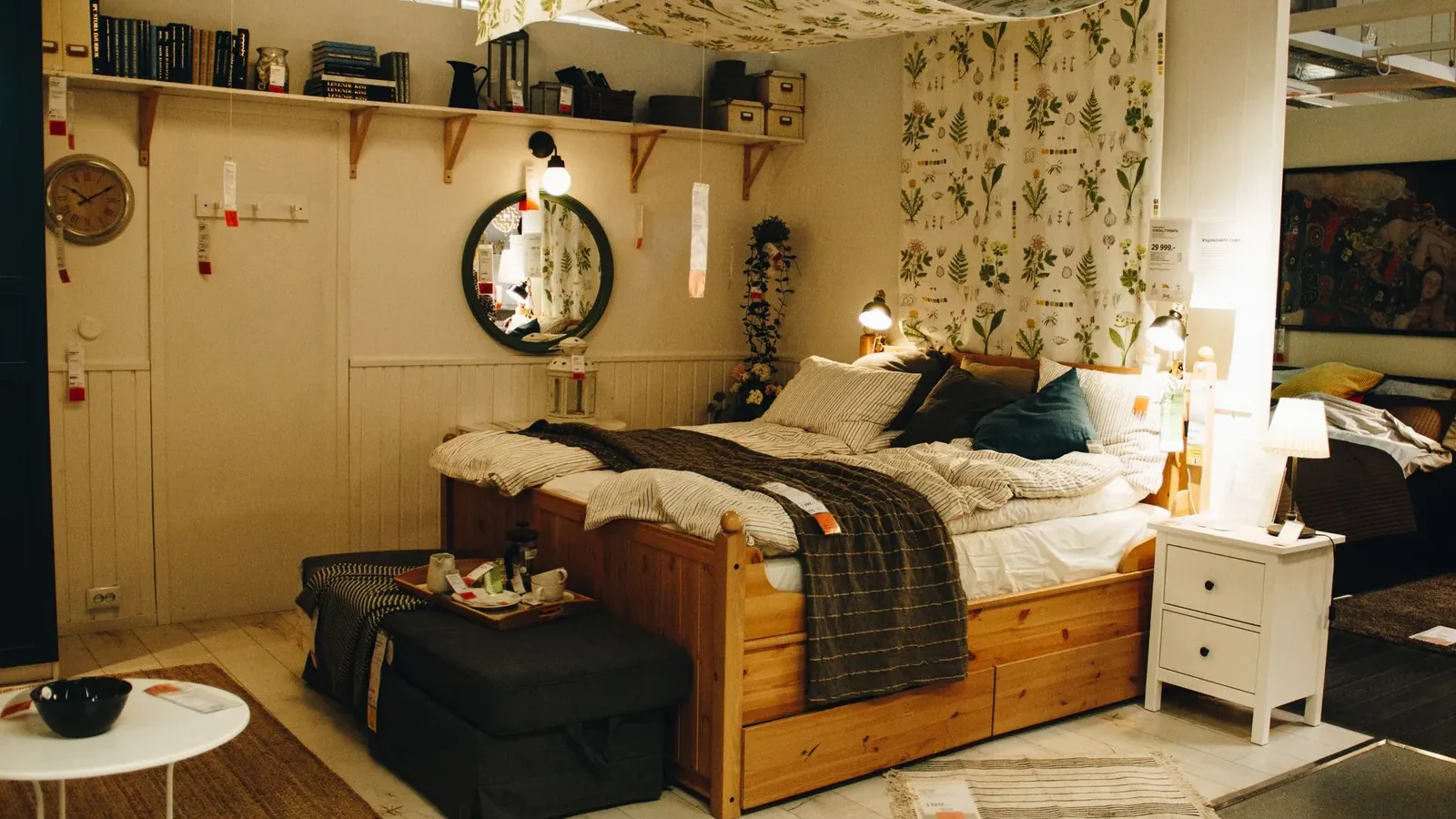
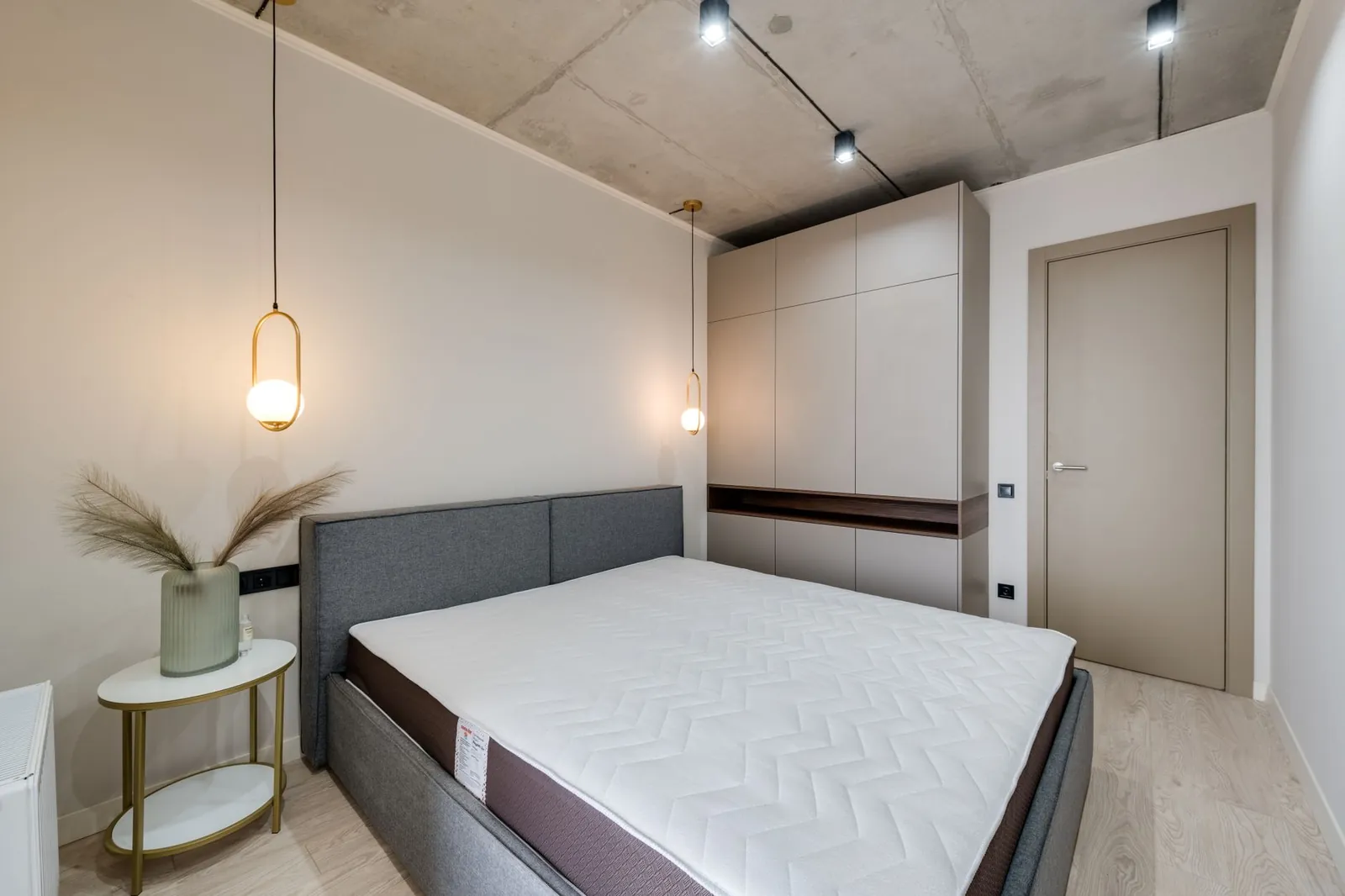
A platform bed with drawers is the single highest-leverage purchase for a small bedroom. You’re combining a bed frame and a dresser into one footprint—60 × 84 inches for a queen—instead of two separate pieces that together can eat up an additional 36–48 square feet. Most options run $400–$1,200 depending on drawer count and frame material.
I prefer models with 2–4 drawers on wheels rather than fixed-track drawers. Wheeled drawers pull out smoothly even when full, and they let you slide the bed out for cleaning without disassembling anything. For durability past the five-year mark, choose hardwood frames—pine, oak, or birch—over particleboard. A queen-size platform bed with storage averages 60 inches wide and 84 inches long, identical to a standard frame, so you’re not giving up sleeping surface.
What to look for
- Drawer depth of at least 16 inches (holds folded clothes and bedding flat)
- Weight capacity of 500+ pounds for a queen
- Slats spaced no more than 3 inches apart to support any mattress type
- Wheels with locks to prevent the bed from shifting when you open drawers
Wall-Mounted Desks and Shelving
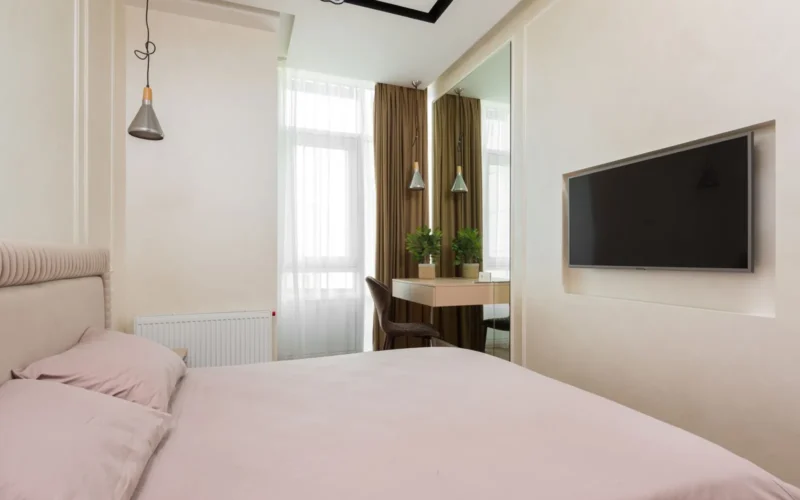
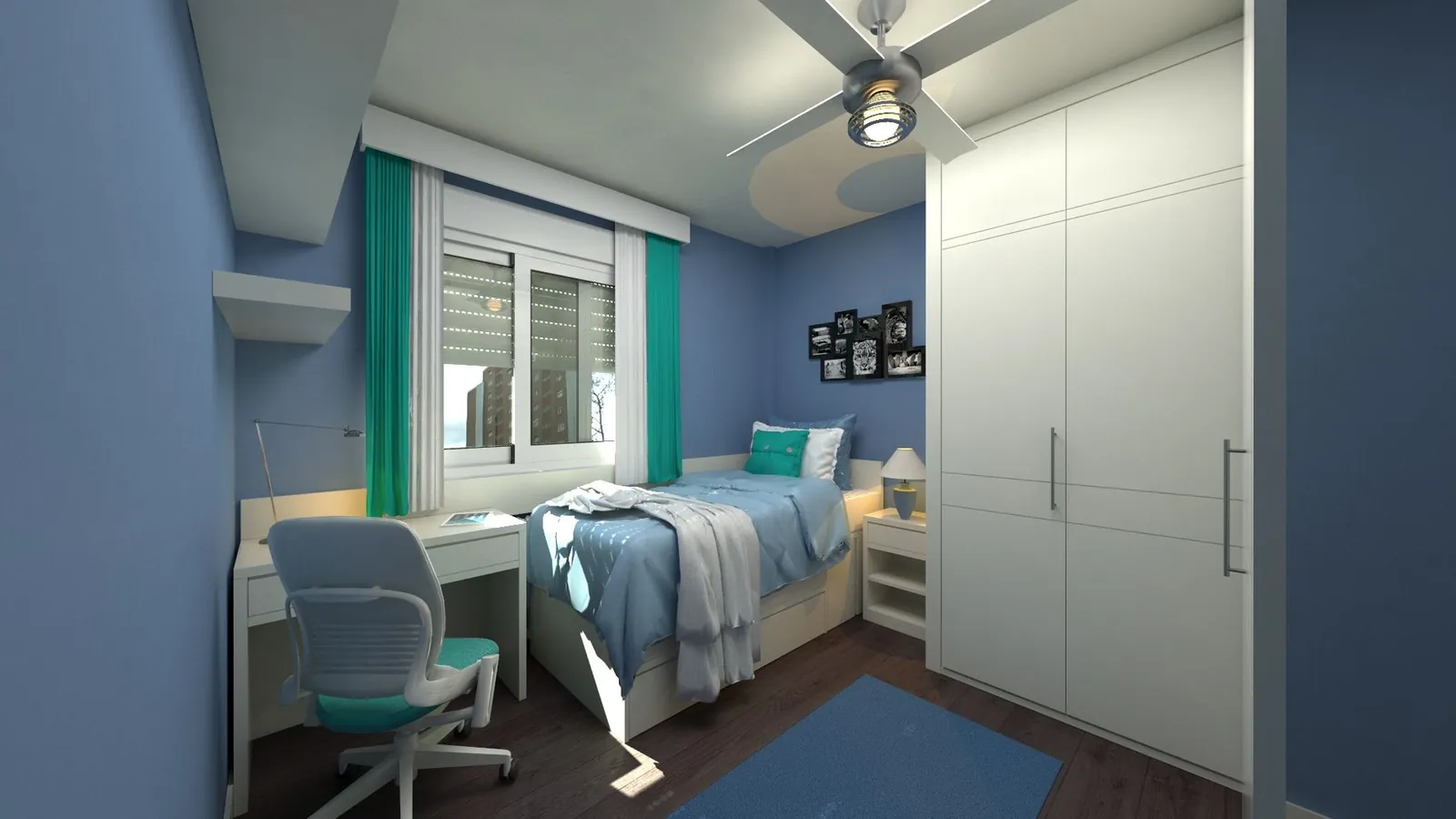
A wall-mounted desk uses zero floor footprint. A 36–48 inch wide floating desk mounted at standard height (28–30 inches) costs $150 for a basic shelf-and-bracket setup or up to $600 for a solid wood unit with integrated cable management. If your bedroom doubles as a workspace, this is the swap that pays off most visibly.
Pair the desk with open shelving mounted 12–15 inches above it for books, a lamp, or a small plant. Floating shelves run $30–$100 each. I’ve installed them with heavy-duty toggle bolts rated for 25–50 pounds each when studs aren’t in the right spots, but stud mounting is always the stronger option. Test any wall-mounted surface with gradually increasing weight before loading it fully.
Vertical Storage and Tall Dressers
A 5-drawer chest that’s 18 inches wide and 52 inches tall holds roughly the same volume as a squat 6-drawer dresser that’s 36 inches wide—but uses half the floor space. Solid wood versions cost $250–$700; budget particleboard options run $120–$300 and typically last 3–5 years with regular use.
One detail worth noting: furniture with visible legs reads as lighter to the eye than skirted or flush-to-floor bases, because you can see floor underneath. That single design choice makes a small room feel less blocked. Corner dressers and angled units can also tuck into awkward spots where standard rectangles won’t fit.
Maximizing vertical space
- Run shelves to within 12 inches of the ceiling to use the full wall height
- Mount hooks for bags, belts, and light jackets at eye level or above
- Choose open-leg furniture frames so the floor remains visible
Compact Nightstands and Bedside Tables
Standard nightstands are often 20–24 inches wide—oversized for a small room. A slim pedestal table at 12 inches wide ($80–$250), a wall-mounted shelf ($40–$120), or a floating bracket nightstand ($60–$180) holds a lamp and a phone without eating into the walking path. If you need a drawer, a 16-inch-wide nightstand with a single drawer is the practical minimum; anything with three drawers belongs in a larger room.
Multi-Functional and Convertible Pieces
A storage ottoman ($150–$400) works as a footrest, extra seating, and a place to stash extra blankets. A bench at the foot of the bed ($200–$600) adds seating without claiming wall space, and lift-top versions hide clutter inside. These are the secondary pieces—useful, but only after the bed and storage situation is sorted.
Murphy beds are the extreme end of the spectrum: $2,000–$8,000 installed, but they return the entire room during the day. For most small bedrooms, a storage platform bed plus one multi-functional accent piece is a better balance of cost and practicality than a Murphy bed.
Comparison: Storage Bed vs. Traditional Bed + Dresser
| Setup | Floor Space Used | Total Cost | Storage Capacity |
|---|---|---|---|
| Queen platform bed with 4 drawers | 60″ × 84″ (bed only) | $600–$1,200 | 4 large drawers (≈ 1 dresser) |
| Queen bed frame + 5-drawer dresser | 60″ × 84″ + 36″ × 18″ | $400–$800 | 5 drawers (≈ 1.5 dressers) |
| Queen bed frame + dresser + tall shelf unit | 60″ × 84″ + 36″ × 18″ + 24″ × 12″ | $600–$1,400 | 5 drawers + open shelves |
Our verdict
A platform bed with storage eliminates the need for a separate dresser, saving 36–48 square feet of floor space. If your small room is also an office or lounge, invest in wall-mounted desks and shelves instead of floor-standing furniture.
Choose furniture with visible legs and open bases—it makes even a small room feel larger because you can see the floor underneath.
Color and Scale
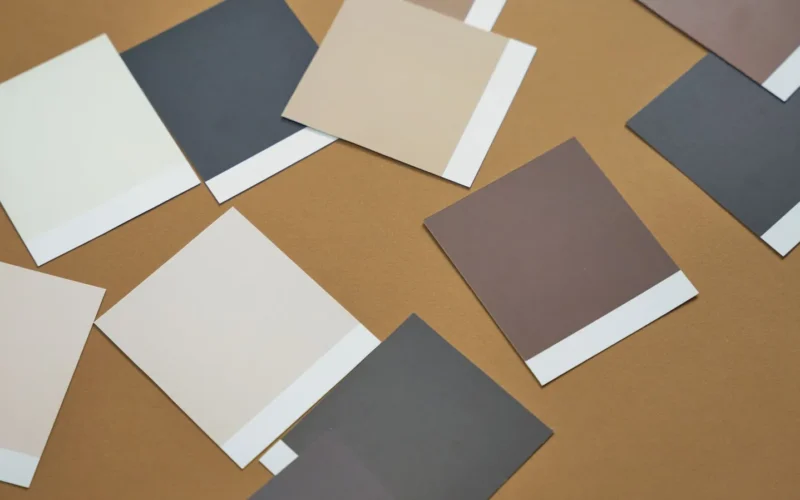
Light wood finishes—oak, birch, ash—and soft neutrals (white, warm gray, natural linen) reflect light and keep a small room from feeling compressed. Dark wood or saturated colors can work, but they absorb light and visually shrink the space, so use them as accents rather than dominant surfaces. Matching your bed frame and dresser finish, or keeping them within the same tone family, reduces visual noise without requiring identical pieces.
Scale matters as much as color. A queen bed is usually the right anchor for a 10×12 room—a king takes over, a full feels cramped for two adults. Pair it with slim nightstands, a narrow dresser, and low-profile shelving to keep the room balanced rather than dominated by one large mass.
For more on arranging small bedrooms effectively, see our guide to how to arrange furniture in small rooms.
Budget Breakdown: Furnishing a Small Bedroom
Minimal setup ($800–$1,500)
- Platform bed with 2–3 drawers: $500–$800
- Wall-mounted shelf or slim nightstand: $80–$150
- Tall narrow dresser: $200–$400
- Floating shelves and brackets: $100–$150
Moderate setup ($1,500–$2,500)
- Quality platform bed with 4 drawers: $800–$1,200
- Wall-mounted desk: $200–$400
- Tall dresser or shelving unit: $300–$600
- Nightstand and storage ottoman: $200–$300
Premium setup ($2,500–$5,000+)
- High-end platform bed with storage: $1,200–$2,000
- Custom wall-mounted desk or shelving system: $500–$1,500
- Quality dresser and additional storage: $600–$1,000
- Bench, ottoman, and accent pieces: $300–$500
Frequently asked questions
What size bed fits in a 10×12 small bedroom?
A queen bed (60″ × 80″) fits comfortably if you have at least 2 feet of clearance on two sides. A full bed (54″ × 75″) gives more walking room but feels cramped for two adults. Twin beds make sense only for a dedicated single-occupant room or a guest room that doubles as something else.
Are wall-mounted desks sturdy enough for daily use?
Yes, if installed into studs or with heavy-duty wall anchors rated for 50+ pounds. Most floating desks safely hold 100–150 pounds. Avoid mounting into drywall alone without anchors, and don’t lean your full body weight on the front edge. Test with gradually increasing weight before loading it with a monitor or heavy books.
How much storage do platform bed drawers actually provide?
A queen platform bed with 4 large drawers—each roughly 48″ × 20″ × 12″—holds approximately the same volume as a 5-drawer dresser. That’s enough for off-season clothing, extra bedding, and shoes. Drawers on twin or full beds run about 60–70% of that capacity.
Can I use a loft bed to save floor space?
Loft beds work if your ceiling is at least 9 feet high and you’re comfortable on a ladder every night. They free up the floor underneath for a desk or seating area, but they make the upper part of the room feel tight and are harder to exit quickly. For most adults, a platform bed with storage is more practical day-to-day.
What’s the best way to arrange furniture in a small bedroom?
Place your bed against the longest wall, away from any window that would block curtains or blinds. Put your dresser or tall storage opposite the bed. Keep a clear path from the door to the bed, and use wall height—shelves, hooks—rather than spreading pieces across the floor. See our detailed guide for more arrangement strategies.

Ellen has renovated three houses, killed more seedlings than she admits, and writes about both.