This article may contain affiliate links. If you buy through them we may earn a commission at no extra cost to you.
Solid wood and engineered stone handle daily family use better than any other material—wood because it’s repairable, stone because it’s nearly impervious. If those don’t fit your budget or aesthetic, the trade-offs below will tell you exactly what you’re accepting instead. I’ve lived with three of these materials and priced out the rest.
Solid Wood: Repairable and Long-Lived
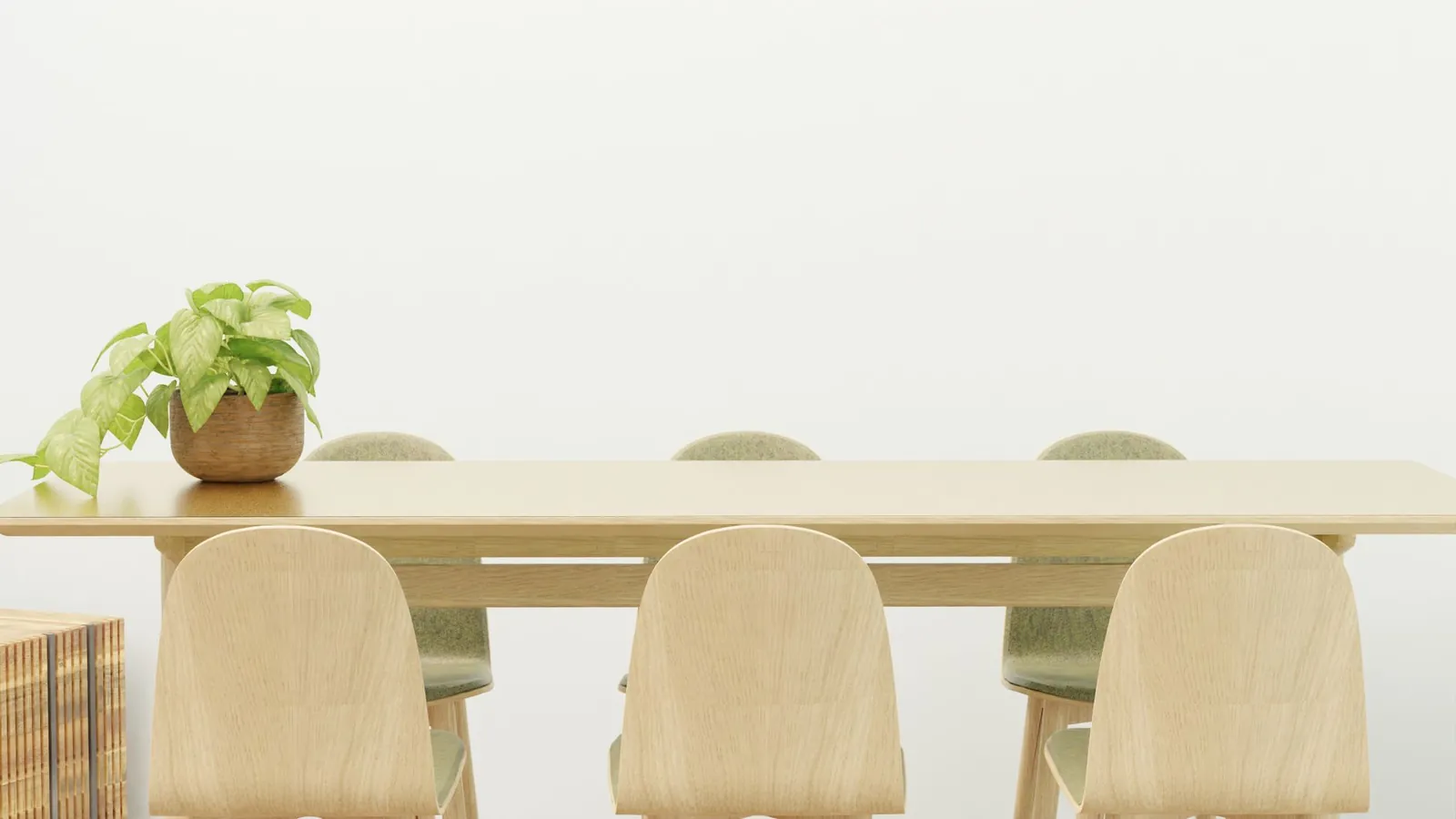
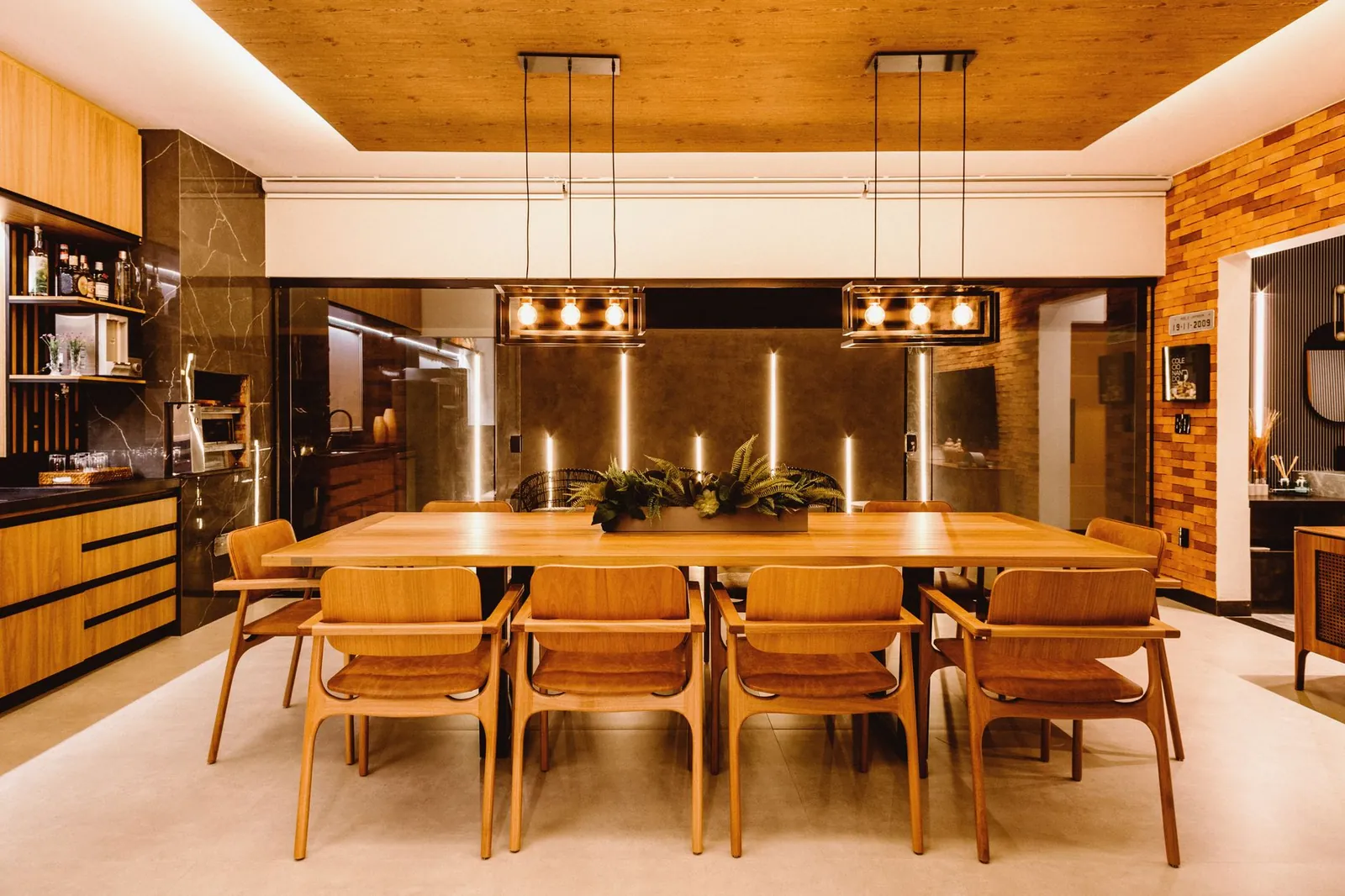
Oak, walnut, and maple are the workhorses. They dent and scratch, but you can sand and refinish them—sometimes more than once over a table’s lifetime. Pine costs less but is soft enough that a dropped fork leaves a mark. For a six-seater, budget $600–$2,500 depending on species and joinery. Tables with mortise-and-tenon joints hold up to decades of daily use; pocket-hole construction is cheaper and shows it after a few years of stress.
What maintenance actually looks like
Coasters and placemats aren’t optional—they’re the difference between a surface that ages gracefully and one that looks wrecked by year three. Water rings happen anyway, and most respond to a paste of equal parts olive oil and baking soda left for a few minutes. Scratches from kids are inevitable; on wood, that’s a weekend refinishing project rather than a replacement purchase.
Professional refinishing runs $400–$800. DIY costs $50–$150 in sandpaper, stain, and finish, plus a weekend. See our guide on how to protect wood dining tables for practical prevention strategies.
Glass Tops: Cleanest Surface, Noisiest Meal
A tempered glass top wipes clean in thirty seconds—no grain to trap crumbs, no finish to worry about. For smaller spaces or formal rooms, the visual lightness helps. A six-person table runs $400–$1,200; the base (wood, metal, or stone) does most of the aesthetic work, so don’t cut corners there.
The catch with glass
Fingerprints show within an hour of cleaning. Kids banging cutlery on glass is genuinely loud in a way that gets old quickly. Tempered glass won’t shatter into shards if it breaks—it granulates—but a replacement top costs $200–$400, and finding an exact match for an older table is harder than it sounds. This material suits households with kids over ten or rooms used mainly for adult entertaining.
Marble and Stone: Beautiful, Unforgiving
Marble is softer and more porous than most people expect. Lemon juice, wine, and tomato sauce etch the surface on contact, leaving permanent dull patches that no amount of polishing fully removes. It also stains from oils. Sealing every six to twelve months slows this down but doesn’t stop it. Budget $1,500–$4,000-plus for marble; granite runs $1,200–$3,000 and is harder and less reactive, though still porous enough to need sealing.
Engineered stone (quartz composite) is the practical alternative. It’s harder than both, non-porous, and needs no sealing. The surface pattern is consistent rather than naturally varied, which some people prefer and others find flat. Price range: $1,200–$3,000, overlapping with granite but with significantly lower upkeep.
For a family with young kids or anyone who eats casually, marble creates a level of anxiety that isn’t worth the look. Engineered stone gives you most of the aesthetic without the fussiness.
Laminate and Veneer: Honest Budget Options
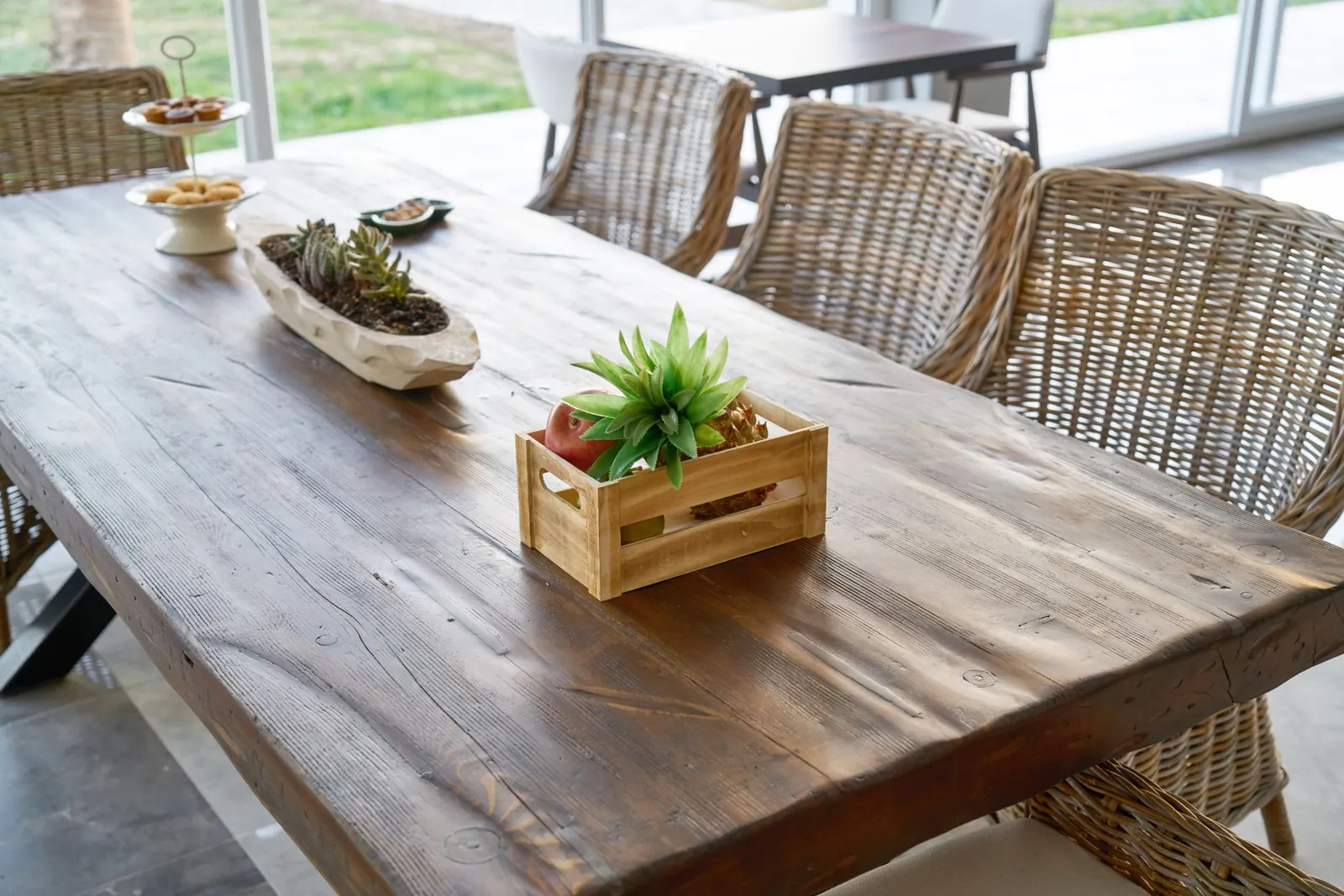
Modern laminate convincingly mimics wood grain or stone at $300–$800 for a dining table. It cleans easily and doesn’t need sealing or oiling. The limits are real, though: it chips and scratches more readily than wood, and once the surface is damaged, refinishing isn’t an option—you replace the top or the table. Prolonged moisture causes the particle board core to swell and delaminate at the seams, so prompt spill cleanup matters more than people assume.
Veneer—a thin slice of real wood over plywood—sits at $500–$1,500 and looks closer to solid wood than laminate does. It shares the same moisture vulnerability and can’t be sanded without risk of cutting through to the plywood beneath. Both materials make sense if you replace furniture every five to ten years, or for rental situations where you’re not investing for the long term.
Metal and Reclaimed Wood: Specific Use Cases
Steel and iron bases are genuinely sturdy and suit industrial or modern interiors. Reclaimed wood tops have character that new wood doesn’t replicate, but they cost $1,200–$3,500 and need identical care to new solid wood—sometimes more, depending on the wood’s history and how it was finished. Neither material is inherently more durable than conventional options; they’re style choices that happen to be durable.
Comparison Table: Materials at a Glance
| Material | Price Range | Durability | Maintenance | Best For |
|---|---|---|---|---|
| Solid Wood | $600–$2,500 | High | Moderate (coasters, prompt cleanup) | Families wanting longevity and warmth |
| Glass | $400–$1,200 | Moderate (tempered) | Low (easy to wipe) | Smaller spaces, formal settings |
| Marble | $1,500–$4,000+ | Low (soft, porous) | High (sealing, careful use) | Formal dining, low-traffic homes |
| Engineered Stone | $1,200–$3,000 | High | Low (no sealing needed) | Families wanting stone look without fuss |
| Laminate | $300–$800 | Moderate | Low (wipe clean) | Budget-conscious, rental situations |
| Veneer | $500–$1,500 | Moderate | Moderate (avoid prolonged moisture) | Solid wood look on a smaller budget |
Our verdict
For most families, solid wood or engineered stone offer the best balance of durability, looks, and practicality. Solid wood if you enjoy character and don’t mind minor marks; engineered stone if you want something nearly indestructible and low-maintenance. Glass works if your kids are older and you don’t mind fingerprints. Laminate is honest budget furniture—good value, not built to last decades.
The best material isn’t the fanciest one; it’s the one you’ll actually maintain without resentment.
Matching Material to Your Situation
Three factors settle most decisions: how chaotic meals are, how long you intend to keep the table, and what replacement or refinishing would realistically cost you.
Kids under eight and messy dinners point toward laminate or engineered stone—both absorb daily punishment without requiring careful habits from anyone. Buying once and keeping it twenty years justifies solid wood or high-quality veneer. Frequent moves or a rental property make glass or laminate the sensible call: lower stakes if something gets damaged, easier to leave behind.
Frequently asked questions
Can I refinish a veneer table like solid wood?
No. Veneer is too thin to sand safely—you risk cutting through to the plywood beneath before you’ve removed the damage. Touch-up stain can disguise minor scratches, but significant surface damage means replacing the top.
Is tempered glass really safe if it breaks?
Tempered glass breaks into small granules rather than sharp shards, which is meaningfully safer than standard glass. It still breaks under impact and the granules still cause injury at close range. It’s safer, not childproof.
How often does marble need sealing?
Most marble needs sealing every six to twelve months; premium sealers can extend that, but the frequency depends on how heavily the table is used and how quickly the sealer absorbs water (the standard test). Granite needs sealing far less often; engineered stone typically needs none.
What’s the difference between laminate and veneer?
Laminate is a printed plastic layer bonded to particle board. Veneer is a thin slice of real wood over plywood. Veneer looks and feels closer to solid wood and costs more, but shares laminate’s moisture vulnerabilities and can’t be refinished.
Do I need a table pad for wood?
Table pads protect against heat and impact but trap moisture underneath if left in place too long, which causes more damage than they prevent. Coasters, placemats, and wiping up spills within a few minutes are more effective for everyday use and less fussy to manage.

Rob is a former carpenter who now explains home repairs so you only have to do them once.