This article may contain affiliate links. If you buy through them we may earn a commission at no extra cost to you.
A family cleaning routine works when it spreads tasks across the week, assigns chores by room or person, and locks in four non-negotiable daily habits. You don’t need to deep-clean the whole house every Saturday—rotating focus areas and picking the right tools cuts that marathon into 15-minute daily resets and 30-to-45-minute weekly zone sessions.
The Core Daily Routine (15 Minutes)
Four habits prevent the weekend panic. Skip even one of them and you’ll feel it by Thursday.
- Morning reset (5 minutes): Make beds, load the dishwasher, wipe down the kitchen counter and sink. Dried breakfast mess takes three to four times longer to remove than a fresh wipe.
- Evening tidy (5 minutes): Clear living areas of toys, papers, and clothes. Keep a basket nearby to corral items that belong elsewhere, then put them away in one trip.
- Spot-clean as you go (3 minutes): Wipe spills immediately, sweep crumbs after meals, squeegee the shower after use. Dried toothpaste and stovetop splatter take roughly five times longer to remove than fresh ones.
- One load of laundry (2 minutes active time): Start it in the morning, move it to the dryer at lunch, fold by evening. One load a day prevents the pile that takes a full Sunday to conquer.

If you have pets or toddlers, add a 3-minute vacuum of the highest-traffic floor. Everything else can flex around these four anchors.
Weekly Zone Cleaning (30–45 Minutes Per Zone)
Assign one room or zone per weekday instead of tackling everything on Saturday. You’re never facing a six-hour marathon, and each zone stays clean enough between sessions that the weekly pass is genuinely quick.
The five-day rotation
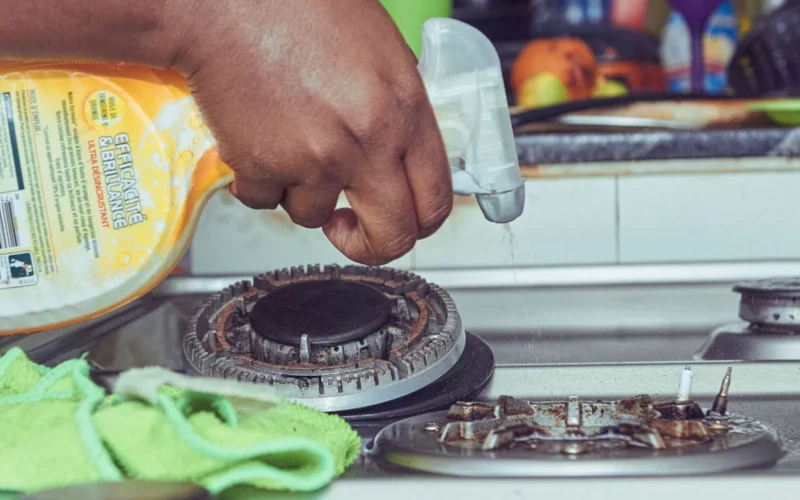
- Monday: Kitchen. Wipe cabinet fronts, clean inside the microwave, degrease the stovetop. See our guide on how to deep clean a kitchen for a thorough approach you can adapt.
- Tuesday: Bathrooms. Scrub toilet, shower, and sink; mop floors; clean mirrors and light switches.
- Wednesday: Bedrooms. Change sheets, dust surfaces, vacuum under beds, wipe door handles and light switches.
- Thursday: Living areas. Dust shelves and electronics, wipe down furniture, vacuum thoroughly.
- Friday: Entryways and laundry areas. Sweep and mop the entry, clean out the dryer lint trap, fold and store anything that’s accumulated.
A 30-minute Tuesday bathroom session means scrubbing surfaces and mopping—not grout work. Save grout scrubbing, window washing, and baseboards for the monthly or quarterly rotation.
Delegate by Age and Ability
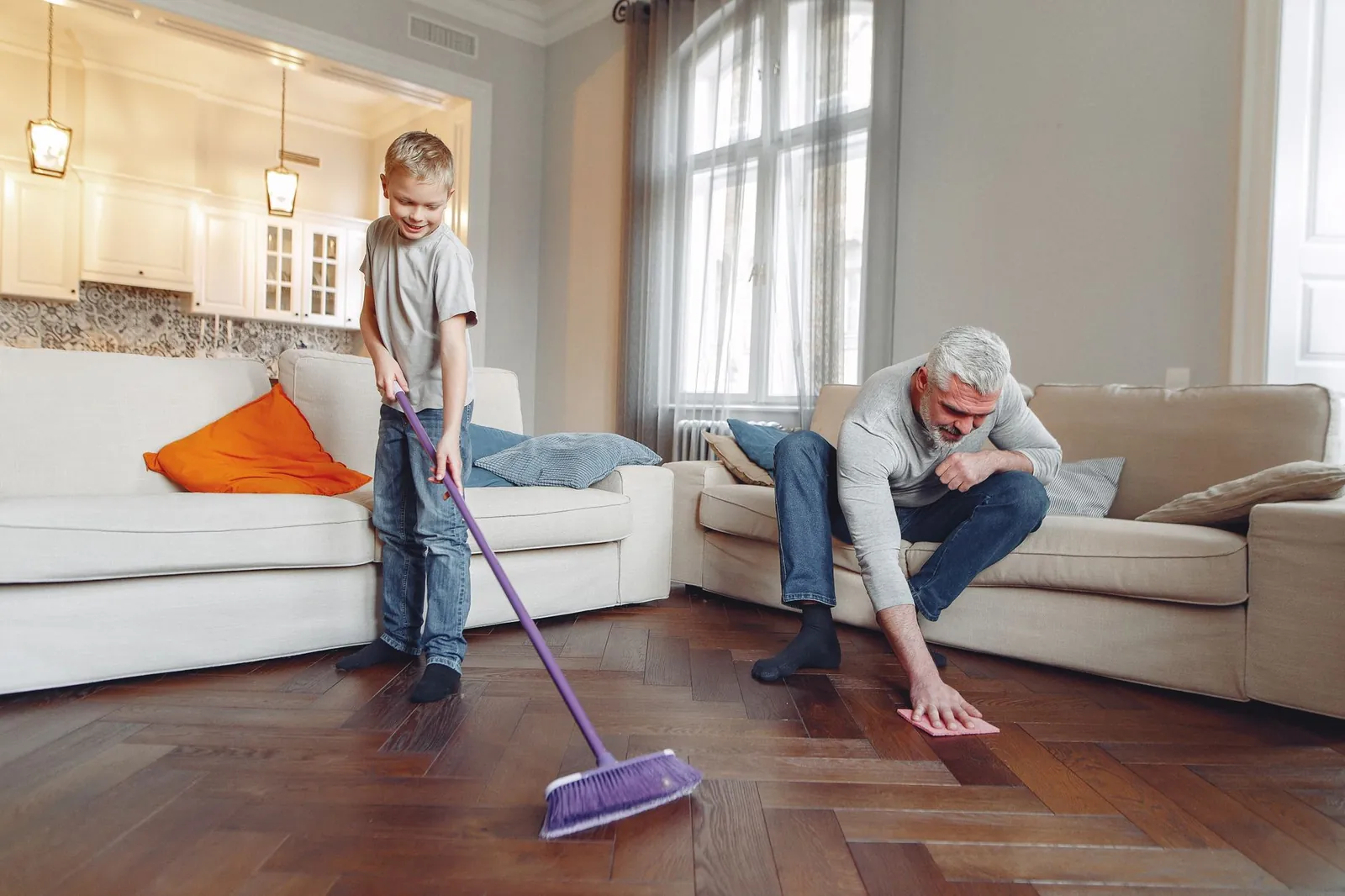
Assigning age-appropriate chores can cut your personal cleaning load by 40–60%. The trade-off is time spent training upfront—plan on two or three sessions with younger kids before a task runs on autopilot.
Young children (ages 4–7)
- Put toys in bins.
- Wipe up spills with a cloth.
- Load items into a laundry basket.
- Dust low shelves.
Older children (ages 8–12)
- Load and unload the dishwasher.
- Sweep the kitchen or dining area.
- Clean their own bathroom sink, mirror, and toilet with guidance.
- Fold and put away laundry.
- Vacuum one room.
Teenagers (13+)
- Take full ownership of one bathroom or kitchen deep-clean per week.
- Manage laundry for their own clothes.
- Vacuum and mop assigned areas.
- Clean windows and mirrors.
Post a chore chart and rotate assignments monthly so no one gets permanently stuck with the worst task. A small, consistent incentive—screen time, a modest allowance, or a favorite meal—works better than one-off rewards.
Tools and Products That Actually Save Time
A few targeted upgrades cut cleaning time by 20–30%. None of these are luxury items; each one pays for itself within a few months of regular use.
| Tool or Product | Cost Range | Time Saved Per Week | Best For |
|---|---|---|---|
| Robot vacuum | $150–$400 | 1–2 hours | Busy families with pets or hard floors; see best robot vacuum for pet hair if needed |
| Cordless stick vacuum | $200–$500 | 30 minutes | Quick pickups between deep cleans |
| Microfiber cloths (pack of 12) | $8–$15 | 15 minutes | Faster dusting and polishing; reusable, cheap to replace |
| Squeegee for shower | $5–$12 | 5 minutes | Prevents soap scum buildup; use after each shower |
| Disinfecting wipe dispenser (refillable) | $3–$8 (wipes $1–$2 per pack) | 10 minutes | Spot-cleaning high-touch surfaces; faster than spray and cloth |
| Dish brush with soap dispenser handle | $4–$10 | 3 minutes | Washing dishes faster; less fumbling with bottles |
| Extendable duster | $6–$15 | 10 minutes | Reaching ceiling fans, light fixtures, and high shelves without a ladder |
A 15-minute daily reset prevents the need for a three-hour weekend catch-up.
Cleaning Products That Work and Cost Less
You don’t need a different product for every surface. A small multipurpose arsenal runs $15–$25 per month for an average family of four.
The essentials
- All-purpose spray (e.g., Lysol, Windex, or store-brand): $2–$4 per bottle. Covers kitchen counters, bathroom surfaces, mirrors, and light switches.
- Toilet bowl cleaner: $1–$3. One bottle lasts 2–3 months.
- Dish soap: $1–$3 per bottle. A concentrate stretches further and cuts grease faster.
- Baking soda and white vinegar: $1–$2 combined. Use for scrubbing, deodorizing, and clearing slow drains.
- Laundry detergent: $5–$10 per month, depending on load volume.
Skip specialty products for grout, granite, or stainless steel unless you have an ongoing problem. Vinegar and water handle most surfaces, and a soft microfiber cloth prevents scratches better than any specialty polish.
The Weekend Reset (60–90 Minutes)
Even a solid weekday routine leaves overflow. One longer block on the weekend catches what didn’t fit into daily habits or zone sessions—this is not a full deep-clean.
- Vacuum or mop floors missed during the week.
- Wipe down fridge shelves.
- Wash windows or mirrors if needed.
- Wipe baseboards or door frames in one area.
- Organize a closet or drawer that’s gotten away from you.
- Clean out the car interior.
If everyone in the family spends 20 minutes on one task, you’re done in an hour and no single person carries the load. Put on a podcast or a shared playlist—it makes a real difference.
Seasonal Deep Cleans (Quarterly)
Four times a year—January, April, July, and October work well—tackle jobs that don’t belong in any weekly rotation. Mark these on your calendar in advance; they sneak up fast.
- Clean inside the oven and refrigerator.
- Wash windows inside and out.
- Dust ceiling fans and light fixtures.
- Wipe down all cabinet exteriors and baseboards.
- Clean out gutters if it’s safe to do so.
- Shampoo carpets or upholstery.
Split the work: one person handles the kitchen while another tackles bedrooms, and you cut the time roughly in half. If the budget allows, hiring a cleaning service for one quarterly session—typically $120–$250 for a thorough house clean—frees up a full weekend afternoon.
Frequently asked questions
How do I get my family to stick to chores?
Make expectations clear and visible. Post a chore chart in the kitchen or hallway, use an app like Cozi or Chore Checklist, or print a simple weekly list. Praise effort, not just results. Rotate chores monthly so no one feels stuck. Tying chores to consistent privileges—screen time, allowance, or a special outing—works better than punishments for missed tasks.
What if I miss a day in my cleaning routine?
Don’t try to catch up all at once. Skip the zone cleaning for that day and fold it into the next session, or combine two lighter zones the following week. The daily 15-minute reset is the priority—if you keep that up, missing one zone clean won’t derail you. If you miss the reset too, do a 20-minute catch-up the next evening and move on.
Is it worth buying a robot vacuum for a busy family?
Yes, if you have hard floors or pets and your budget allows $150–$400. A robot vacuum runs while you work or sleep, saving 1–2 hours per week. Homes with many stairs or tight furniture arrangements see smaller gains. If you’re unsure, start with a cordless stick vacuum at $200–$300—it’s faster for spot-cleaning and more flexible across different floor types.
How often should I deep-clean the kitchen?
Once per week during your Monday zone session (30–45 minutes), plus quarterly deep-cleans. The weekly pass covers the stovetop, microwave, cabinet fronts, and appliance exteriors. Quarterly cleaning adds the inside of the oven, fridge shelves, and under appliances. Daily counter and sink wiping keeps bacteria in check between those sessions.
Can I use natural cleaners instead of commercial products?
Yes. A 1:1 vinegar-and-water mix handles most surfaces for pennies per bottle. Baking soda scrubs tough stains. Castile soap diluted in water cleans floors and walls effectively. The trade-off: natural cleaners need 5–10 minutes of dwell time on stubborn grime, while commercial disinfectants work faster. During cold and flu season, a commercial disinfectant on high-touch surfaces—door handles, light switches, faucets—is the more reliable choice.

Rob is a former carpenter who now explains home repairs so you only have to do them once.