This article may contain affiliate links. If you buy through them we may earn a commission at no extra cost to you.
Concrete pavers cost $2–$8 per square foot and work well in mild climates. Porcelain runs $8–$20 but handles freeze-thaw cycles better than anything else. Natural stone sits at $10–$30 installed and ages beautifully if you seal it every two to three years. Your choice comes down to climate, budget, and how much maintenance you’ll realistically do.
Understand Your Material Options
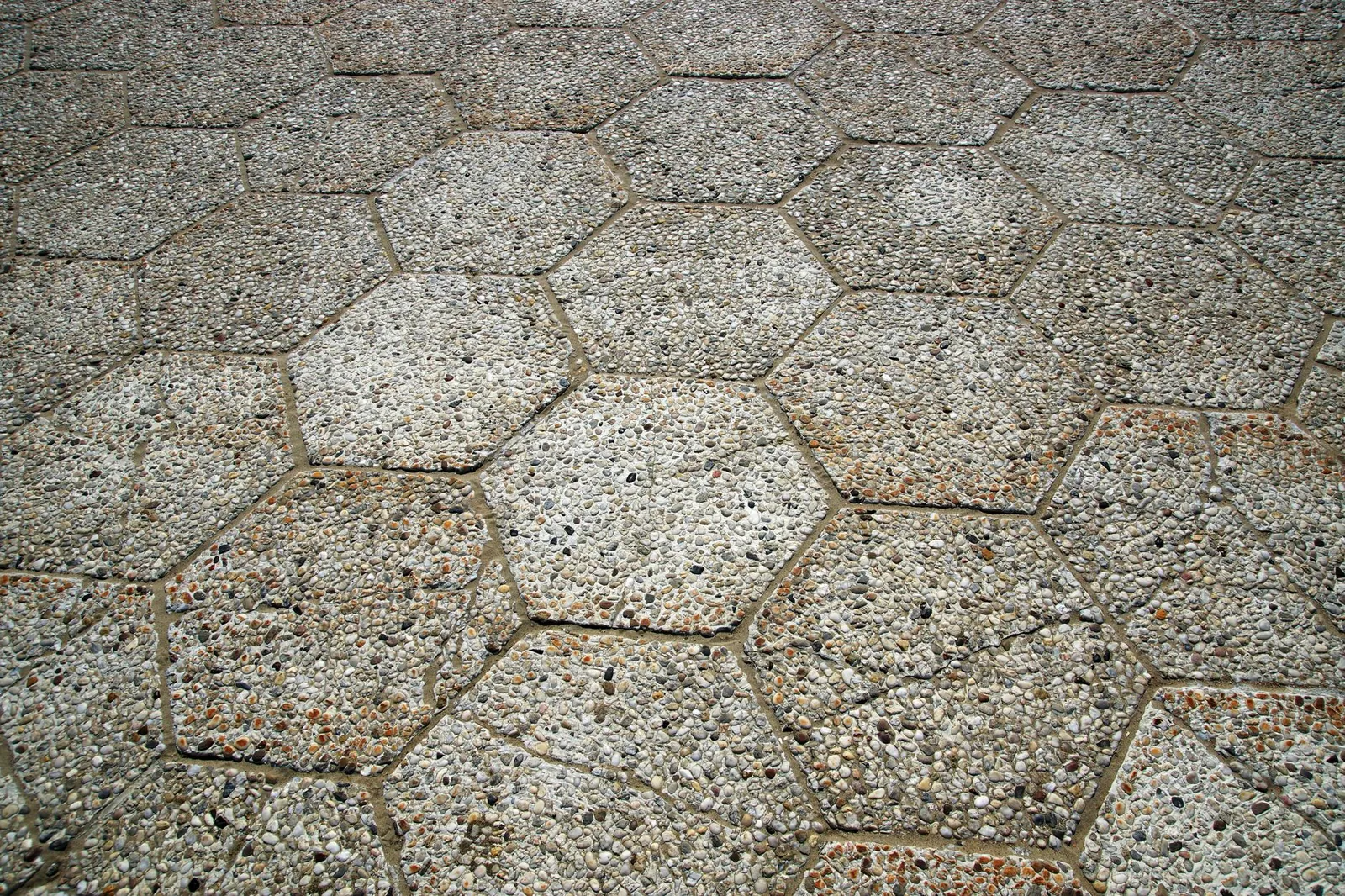
Concrete Pavers
A basic 12×12-inch concrete paver costs $1–$3 per unit. The consistent sizing makes installation straightforward, and sealed concrete handles freeze-thaw cycles reasonably well. The weak points: concrete cracks under heavy loads or tree root pressure, and it stains without regular sealing. Decorative stamped or colored units run $3–$8 each.
Natural Stone (Flagstone, Slate, Bluestone)
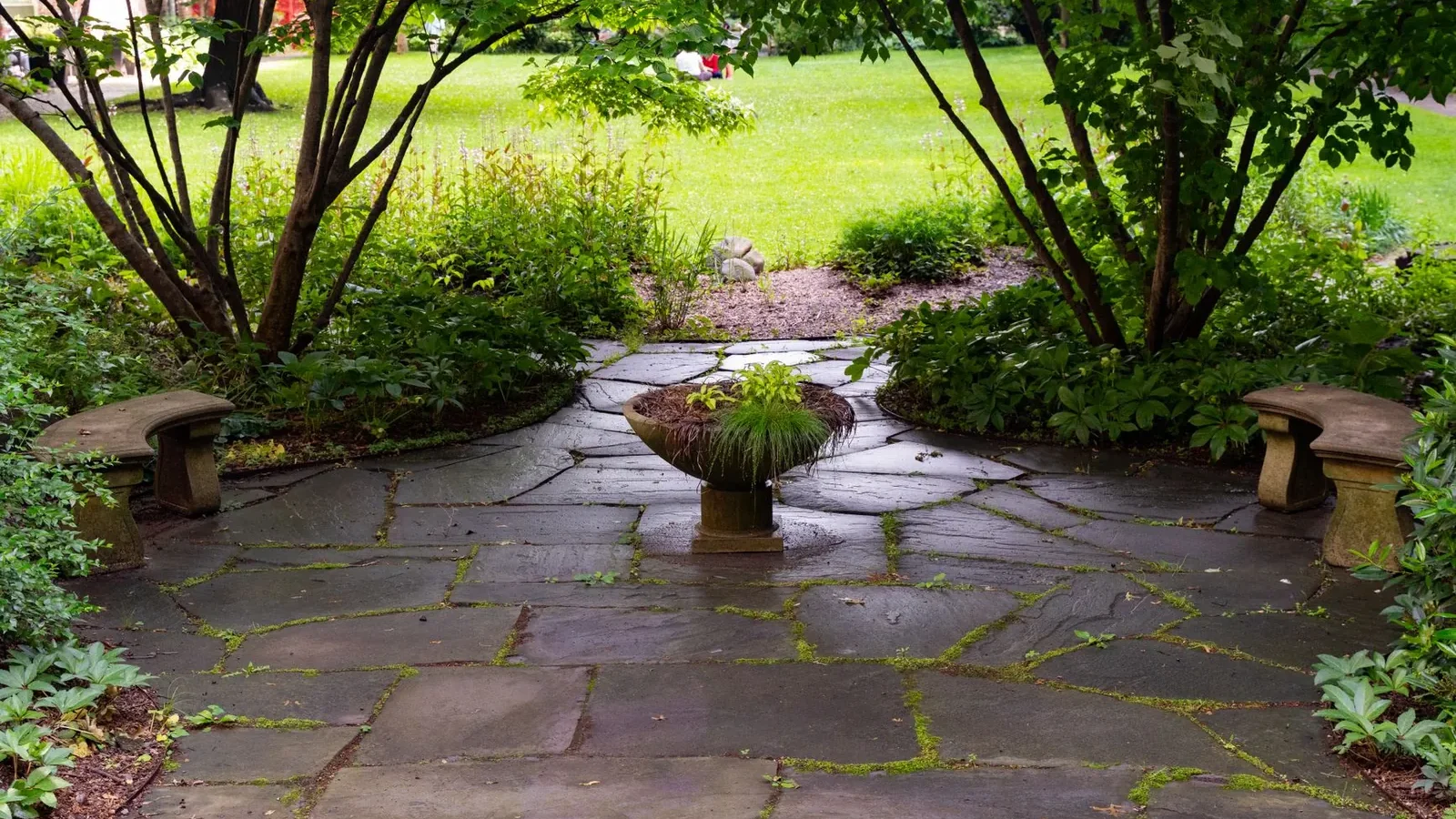
Flagstone runs $15–$30 per square foot installed; slate and bluestone fall in the $10–$25 range. Each piece is unique, which creates visual interest but makes layout less predictable—expect more cuts and a longer installation day. Stone is heavy, so labor costs more than for concrete. Softer varieties like flagstone can spall in freeze-thaw climates, and all natural stone needs sealing to resist staining and water absorption.
Porcelain Pavers
Porcelain is dense, non-porous, and resists staining, frost damage, and UV fading better than concrete or natural stone. At $8–$20 per square foot, it costs more upfront, but maintenance is essentially sweeping and rinsing. It’s available in finishes that convincingly mimic wood grain or stone, so you get the look without the upkeep.
Brick
Clay brick pavers cost $5–$15 per square foot and carry classic appeal. They’re durable in stable climates but vulnerable in cold regions—moisture seeps into the fired clay, freezes, and causes spalling. Brick also fades and stains more visibly than stone over time. Reserve it for mild climates or covered patios.
Assess Durability and Climate Fit
Freeze-thaw cycles are the biggest enemy of porous materials. Water absorbed into concrete, brick, or soft stone expands when it freezes, cracking the surface from the inside out.
In cold climates (USDA zones 5 and colder), porcelain or sealed dense stone hold up best. In warm, dry regions, any material works well. In moderate climates with occasional freezing, sealed concrete or quality brick perform adequately on a proper base with good drainage.
A 4-inch gravel base and proper slope away from your house prevent water pooling, which is the single biggest factor in paver longevity.
Traffic intensity matters too. Softer stone or low-fired brick can develop depressions in heavy-use zones—a main entertaining area sees far more wear than a side-yard path.
Choose Color and Style
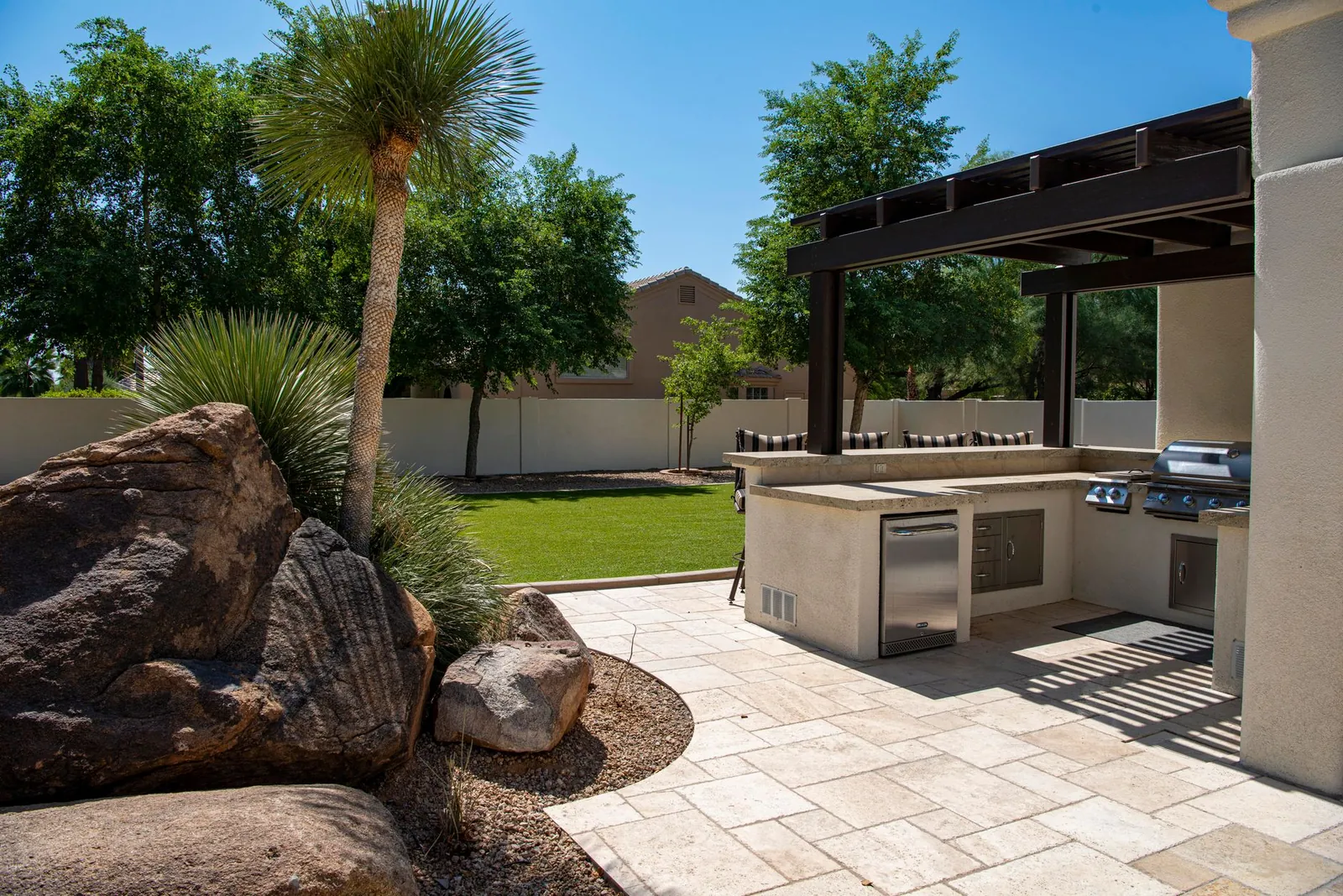
Color Palette
Light colors—grays, tans, creams—reflect heat and stay cooler underfoot in summer but show dirt more readily. Dark colors hide stains but absorb heat, which matters on a south-facing patio in July. I find the easiest approach is to pull a color already in your home’s exterior: roof shingles, siding, or an existing walkway. That connection makes the patio feel designed rather than dropped in.
Bold colors like deep red or charcoal can look sharp on day one but feel dated after a decade. Neutral tones age more gracefully.
Pattern and Texture
Running bond—offset rows like standard brickwork—is classic and minimizes cuts. Herringbone and basketweave patterns add visual interest but require more precise layout and increase scrap by 10–15%. Tumbled or aged-finish pavers soften the look; smooth finishes read as contemporary. Near a pool or in a rainy climate, choose a textured surface for slip resistance.
Calculate Size and Layout
Standard paver sizes are 12×12 inches, 12×24 inches, and 24×24 inches. Larger pavers cover area faster and need fewer cuts, but they telegraph any unevenness in the base—a slight hollow that a 12-inch paver bridges becomes obvious under a 24-inch slab. Smaller pavers are more forgiving of imperfect sub-bases but take longer to lay.
For a 200-square-foot patio, here’s what material costs look like before labor, base, and sealant:
- 200 units of 12×12-inch concrete at $2 each: $400
- 50 units of 24×24-inch porcelain at $12 each: $600
- 200 sq ft of flagstone at $18/sq ft: $3,600
Sketch your layout before ordering. A simple running-bond pattern wastes 5–8% of material at edges; complex diagonal or herringbone patterns can waste 15% or more.
Factor in Installation Costs
Professional installation runs $8–$15 per square foot for concrete and $15–$30 for natural stone or porcelain, depending on your region and pattern complexity. A 200-square-foot patio installed professionally lands at roughly $1,600–$6,000 all-in.
DIY saves labor but requires a plate compactor rental ($40–$60 per day) and a wet saw for cuts. Simple patterns on flat ground are manageable if you’re comfortable with physical work. Steep slopes, complex patterns, or areas larger than 300 square feet are worth paying a professional to do right—a poorly compacted base leads to settling and cracked pavers within a few seasons.
Plan for Maintenance
Porcelain needs almost nothing—sweep it, rinse it occasionally, done. Sealed concrete and stone need resealing every 2–3 years at $0.50–$1.50 per square foot each time, so budget $100–$300 per maintenance cycle on a 200-square-foot patio. Unsealed natural stone stains easily after a single season. Brick may need repointing if the mortar between joints deteriorates.
A paver that costs less upfront but requires frequent sealing can exceed the lifetime cost of a pricier, lower-maintenance option. Over 20 years, porcelain’s near-zero upkeep often beats concrete’s lower purchase price.
Compare Your Top Choices
| Material | Cost per sq ft | Durability | Maintenance | Best For |
|---|---|---|---|---|
| Concrete | $2–$8 | Good (sealed) | Seal every 2–3 years | Budget-conscious, mild climates |
| Natural Stone | $10–$30 | Excellent | Seal every 2–3 years | High-end look, mild climates |
| Porcelain | $8–$20 | Excellent | Minimal | Cold climates, low maintenance |
| Brick | $5–$15 | Fair to Good | Occasional repointing | Warm climates, traditional style |
Our verdict
For most homeowners in moderate climates, sealed concrete offers the best balance of cost and durability. In cold regions, porcelain’s frost resistance justifies the higher price. If you want a timeless, premium look and don’t mind sealing every few years, natural stone is hard to beat. See our best patio materials comparison for a deeper dive into specialty options.
Frequently Asked Questions
How thick should patio pavers be?
Standard patio pavers are 1.5 to 2 inches thick. Thicker pavers (2 to 3 inches) handle heavier loads and uneven bases better but cost more. For residential patios with normal foot traffic, 1.5 to 2 inches is sufficient.
Do I need to seal patio pavers?
Sealing depends on material and climate. Porcelain doesn’t need sealing. Concrete and natural stone benefit from sealing in climates with freeze-thaw cycles or heavy rain to prevent water absorption and staining. In dry climates, sealing is optional but extends the life of the finish.
Can I install patio pavers myself?
Yes, if you’re comfortable with physical work and have basic tools. Simple patterns on flat ground are manageable. Complex patterns, steep slopes, or large areas are best left to professionals. Rent a plate compactor and wet saw, and allow extra time for cuts and leveling.
How long do patio pavers last?
Quality concrete and stone pavers last 25–50 years with proper installation and maintenance. Porcelain can last 30+ years with minimal care. Brick lasts 25–40 years depending on climate. Lifespan depends heavily on base preparation, drainage, and climate fit.
What’s the best base for patio pavers?
Use a 4-inch layer of compacted gravel or crushed stone, topped with 1 inch of leveling sand. Ensure the base slopes gently (1/8 inch per foot) away from your house for drainage. A solid, well-compacted base prevents settling, cracking, and water pooling.

Ellen has renovated three houses, killed more seedlings than she admits, and writes about both.