This article may contain affiliate links. If you buy through them we may earn a commission at no extra cost to you.
A quality patio set costs $800–$3,000 to replace. A $40 cover or an afternoon of sealing can add five or more years to its life. The most effective approach combines seasonal storage, fitted covers, and treatments matched to your specific materials—wood, metal, and fabric each need something different.
Storage: The Strongest Defense
Nothing beats pulling furniture out of the weather entirely. I move my metal chairs and wooden table into the garage from November through March, which removes them from freeze-thaw cycles, UV exposure, and heavy rain all at once.
Indoor storage options
- Garage or shed: The easiest choice if you have space. An unheated shed works fine as long as it stays dry.
- Basement: Good for smaller pieces and cushions. Leave gaps between items for air circulation or mildew will follow.
- Storage unit: Climate-controlled units run $50–$150 per month and guarantee stable conditions. Standard units cost $30–$80 monthly but expose furniture to temperature swings—still better than leaving pieces outside.
Preparing furniture for storage
Clean everything thoroughly before it goes in (see the cleaning section below), then let it dry completely—damp furniture in an enclosed space is a mildew invitation. Remove cushions and store them in sealed plastic bins with a desiccant packet. Stack chairs and tables to save floor space, but slip cardboard or an old blanket between pieces to prevent scratches.
Furniture Covers: Protection When Storage Isn’t Possible
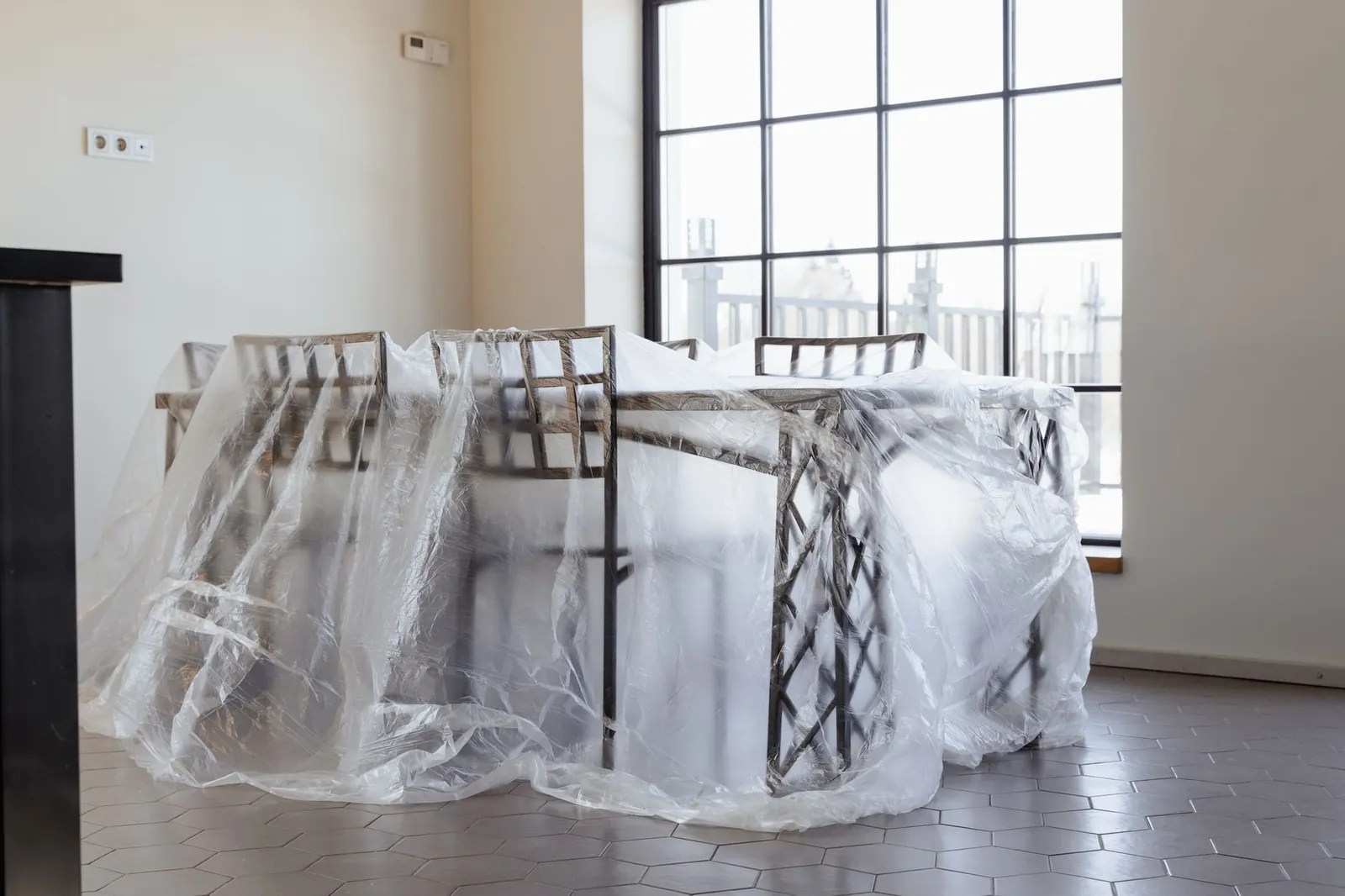
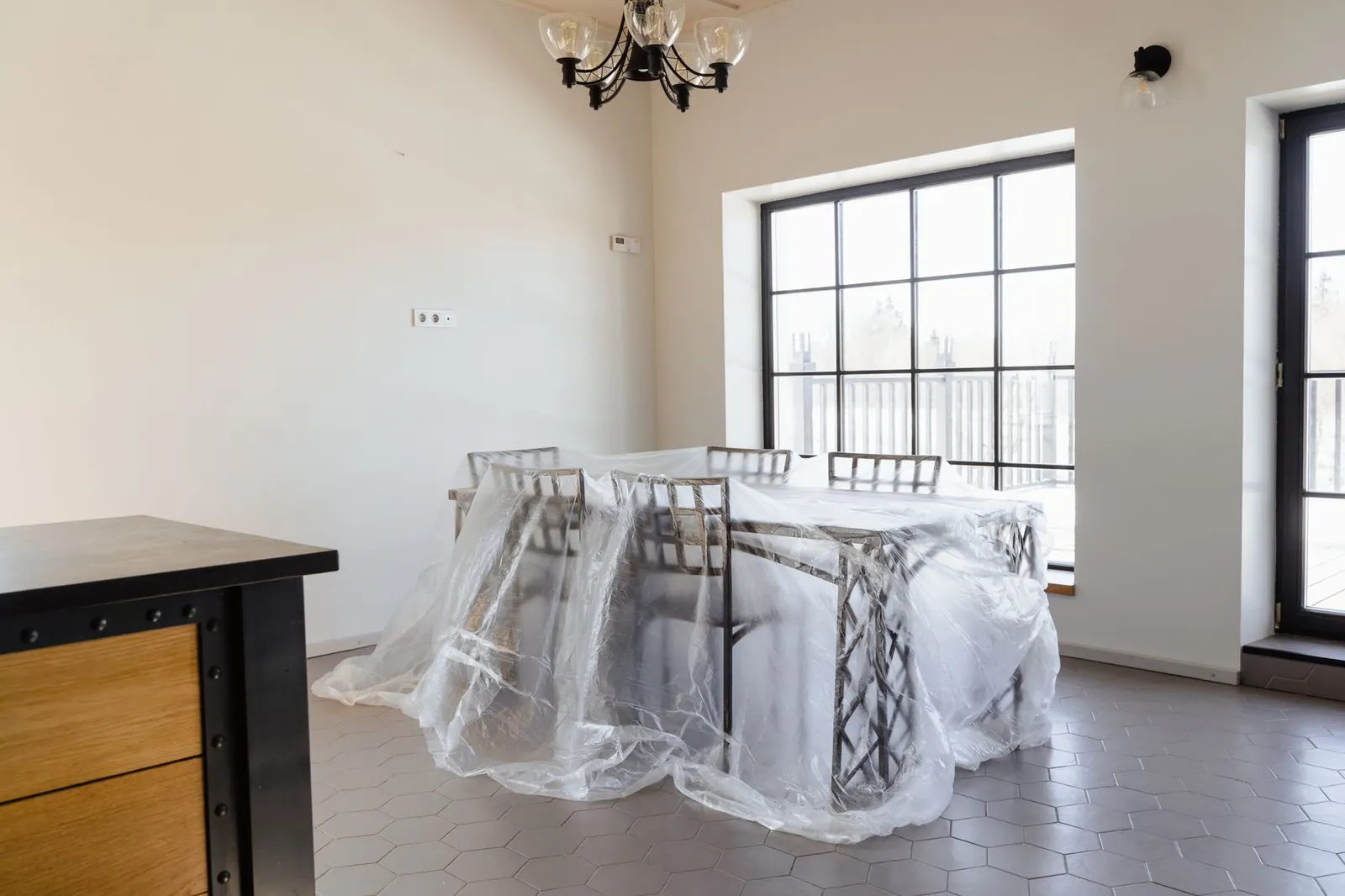
Good covers reduce UV exposure, shed rain, and keep debris from grinding into finishes. The key word is good—a $12 polyester tarp does more harm than help by trapping moisture underneath.
Types of covers
- Fitted covers: Tailored to specific shapes—chairs, loungers, dining sets. Cost $25–$80 per piece. They stay put in wind and look tidier, but you need the right size.
- Universal covers: One size fits several pieces. Run $30–$100. Less precise, but practical if your furniture mix changes year to year.
- Sectional covers: Designed for modular seating. Expect $100–$250 depending on size and material.
Cover material quality matters
Budget polyester covers ($10–$20) tear within a season and trap moisture. I’ve replaced them every year—not worth it. Mid-range covers ($40–$80) use two- or three-layer polyester or canvas blends with a waterproof backing and typically last two to three seasons. Premium covers ($80–$150+) use solution-dyed polyester or Sunbrella fabric, hold up against UV degradation, and last four to five years. If furniture stays outside year-round, the premium tier pays for itself.
Whatever you buy, look for ventilation grommets so moisture can escape, and tie-down straps or weighted hems so the cover doesn’t sail off in a storm.
Sealing and Treating by Material
Wood furniture
Unfinished or lightly finished wood needs sealing every one to two years. I use an exterior water-based sealer at $15–$40 per quart; one quart covers roughly 200–400 square feet, enough for most patio sets. Apply two coats with a brush, sanding lightly between them. Pre-sealed species like cedar or teak still benefit from a refresh every two to three years—though some homeowners skip it entirely and let teak silver gracefully, which is fine structurally.
Metal furniture
Steel and iron rust without protection; aluminum oxidizes but won’t rust through. For steel, a rust-preventative spray ($8–$15 per can) handles surface protection, and touching up scratches with matching metal paint within days of noticing them stops rust from spreading. Cast iron responds well to a light coat of furniture-grade wax or oil ($10–$20). Aluminum mainly needs occasional waxing to stay looking clean.
Fabric and cushions
A fabric protector spray like Scotchgard ($8–$15 per can) applied annually reduces water absorption and staining. If you’re buying replacement cushions, solution-dyed acrylic or Sunbrella fabric resists fading and mildew far better than cotton blends—worth the price difference in a wet climate. When mildew appears, scrub with one part bleach to ten parts water, rinse thoroughly, and dry completely in the sun before storing or replacing the cover.
Regular Cleaning and Maintenance
Pollen, dirt, and debris trap moisture against surfaces and accelerate decay. I clean furniture every four to six weeks during the season—it takes twenty minutes and prevents hours of repair work later.
Basic cleaning routine
- Brush off loose debris with a soft cloth or bristle brush.
- Wipe down with mild dish soap and water—a few drops in a bucket is plenty.
- Rinse thoroughly and dry with a towel rather than letting water sit.
Deep cleaning
Once or twice a season, a pressure washer on a low setting (below 1,500 PSI, nozzle held 12 inches away) clears stubborn grime quickly. Test on a hidden area first—high pressure can splinter wood or strip finishes. For mildewed fabric, skip the pressure washer and hand-scrub with the diluted bleach solution instead.
Addressing damage promptly
A small scratch in wood sealant or a pinhead rust spot on metal can spread to a serious problem within one wet season. Touch up scratches with matching stain or paint as soon as you spot them. Replace torn cushion covers before moisture reaches the filling—foam that’s soaked through once rarely fully dries out.
Seasonal Transitions
Spring setup
Before first use, clean thoroughly, inspect for mildew or damage that developed over winter, and apply any treatments—sealant, fabric protector, rust preventative—before the furniture sees regular traffic. Doing it now, rather than mid-summer, means treatments have time to cure properly.
Fall shutdown
Clean everything completely, repair any visible damage, and confirm every piece is dry before covering or storing. Cushions go into sealed bins with desiccant packs. This step takes a couple of hours and makes spring setup straightforward.
Material-Specific Notes
For a deeper look at how different materials compare on durability and long-term maintenance demands, see our guide to best outdoor furniture materials.
Moisture is the enemy of outdoor furniture—prevent it through covers, ventilation, and prompt drying, and you’ll cut replacement costs in half.
Teak and cedar
Both are naturally rot-resistant and will gray over time without sealing—structurally fine, just a different look. If you want to keep the original warm color, seal every two to three years. If you like the silver patina, leave it alone.
Wicker and rattan
These split in dry heat and mildew in damp conditions—a narrow comfort zone. Store indoors during winter if at all possible. If they stay outside, cover tightly and leave a gap at the base for air circulation. Check monthly for mold during humid stretches.
Plastic and resin
Minimal maintenance, but prolonged UV exposure makes resin brittle and chalky. Covers extend life noticeably. A wipe-down with mild soap and water every few weeks keeps the surface from degrading prematurely.
At a Glance: Protection Methods by Cost and Effort
| Method | Typical Cost | Time Required | Best For |
|---|---|---|---|
| Indoor/garage storage | $0 if space exists | 1–2 hrs seasonal | All materials, off-season |
| Fitted furniture covers | $25–$150 per piece | Minutes to apply | Year-round outdoor use |
| Wood sealing | $15–$40 per quart | 2–4 hrs per set | Unfinished or bare wood |
| Rust-preventative spray | $8–$15 per can | 30–60 min | Steel and cast iron |
| Fabric protector spray | $8–$15 per can | 15–30 min | Cushions and fabric furniture |
| Climate-controlled storage unit | $50–$150/month | 1–2 hrs seasonal | Large sets, no garage space |
Frequently Asked Questions
Can I leave outdoor furniture outside all year without covers?
Yes, but lifespan drops significantly. Unprotected furniture typically needs replacing after three to five years; covered or stored furniture regularly lasts seven to ten or more. The $40–$150 investment in covers pays for itself well before that point.
How often should I replace furniture covers?
Budget-grade covers last one to two seasons. Mid-range two- or three-layer polyester covers last two to three years. Premium Sunbrella or solution-dyed polyester covers last four to five years. Replace any cover sooner if you notice tears, water pooling on top, or mildew growing underneath.
Is a pressure washer safe for all outdoor furniture?
No. High pressure can splinter wood, strip paint, and force water into joints where it sits and causes rot. Keep pressure below 1,500 PSI, hold the nozzle at least 12 inches away, and test on a hidden spot first. For delicate wicker or rattan, hand-scrub instead.
What’s the best way to prevent mildew on cushions?
Store cushions indoors during the off-season, or in sealed bins with desiccant packs. During the season, shake them dry after rain and stand them on edge so air reaches both sides. Apply fabric protector spray annually. If mildew appears, scrub with one part bleach to ten parts water, rinse well, and dry completely in sunlight before using again.
Do I need to seal new furniture right away?
Check the manufacturer’s label first—many pieces come pre-sealed and won’t need treatment for one to two years. Unfinished wood should be sealed before or shortly after purchase. When in doubt, seal it: the cost of a quart of sealer is trivial compared to replacing a warped or cracked table.

Ellen has renovated three houses, killed more seedlings than she admits, and writes about both.