This article may contain affiliate links. If you buy through them we may earn a commission at no extra cost to you.
For a patio under 150 square feet, a 15,000–25,000 BTU tabletop or wall-mounted heater is usually all you need. The Solo Stove Mesa XL ($350) and Hiland Tabletop ($180) cover most small patios without monopolizing floor space; the Bromic Tungsten wall-mount ($550) disappears entirely if you have a solid wall or pergola. What separates a good choice from a frustrating one is matching BTU output, footprint, and fuel type to your specific layout before you buy.
Types of Small-Space Patio Heaters
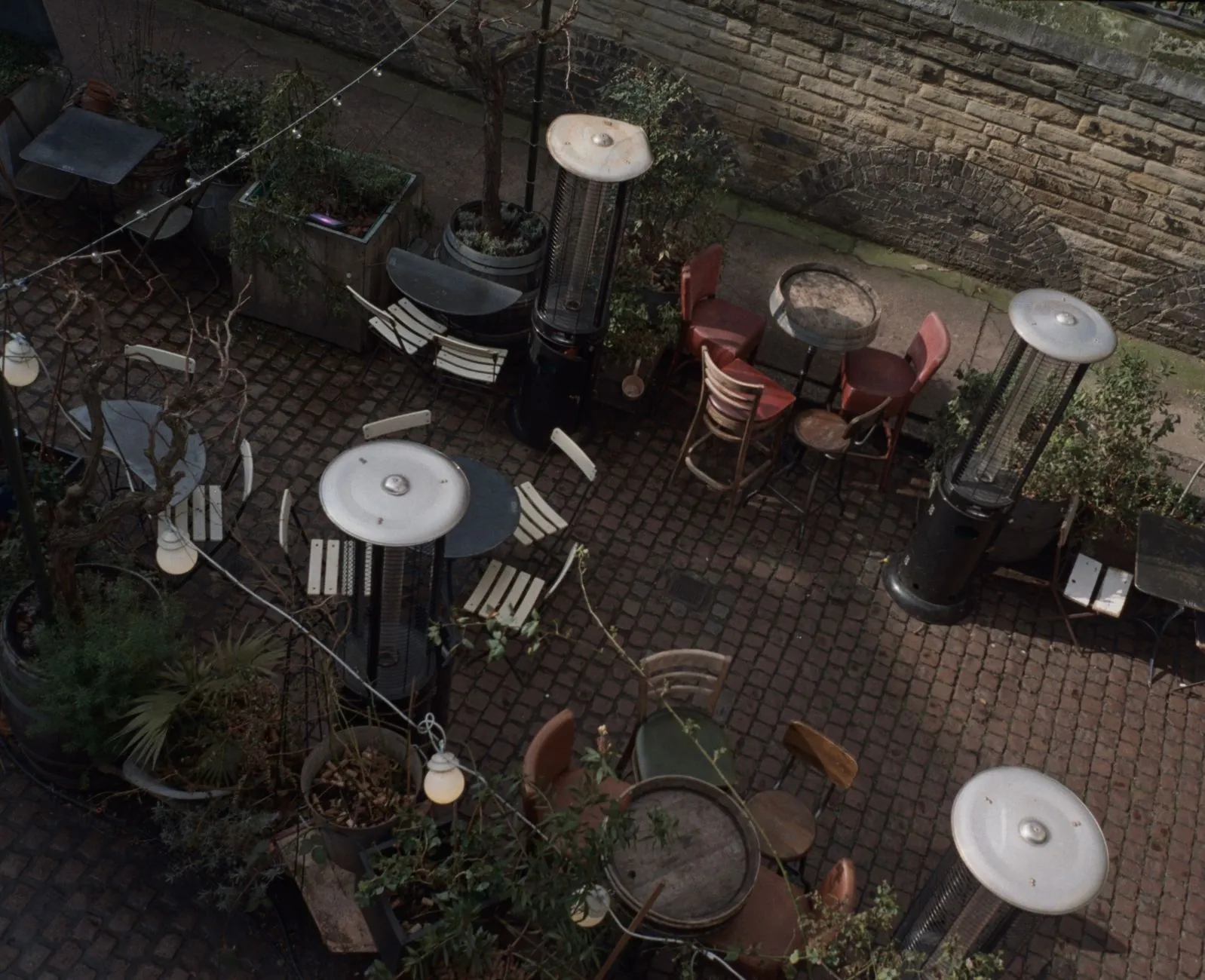
Tabletop Propane Heaters
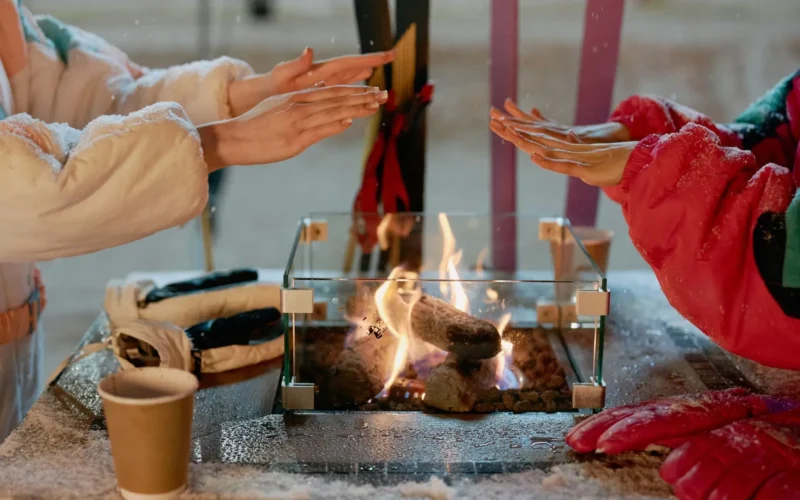
Tabletop models sit on a side table or cart and typically run 10,000–15,000 BTU. They’re portable, require no installation, and cost $150–$400. The trade-off: they heat a tighter radius (about 6–8 feet) and need propane refills every 10–20 hours of use.
Wall-Mounted Electric Heaters
These bolt to a wall or pergola, saving floor space entirely. Electric models run 1,500–2,000 watts and cost $200–$600. They’re silent, need no fuel storage, and work in any weather—but they draw significant household power and heat a smaller area than a propane heater at the same price point.
Pyramid and Tall Propane Heaters
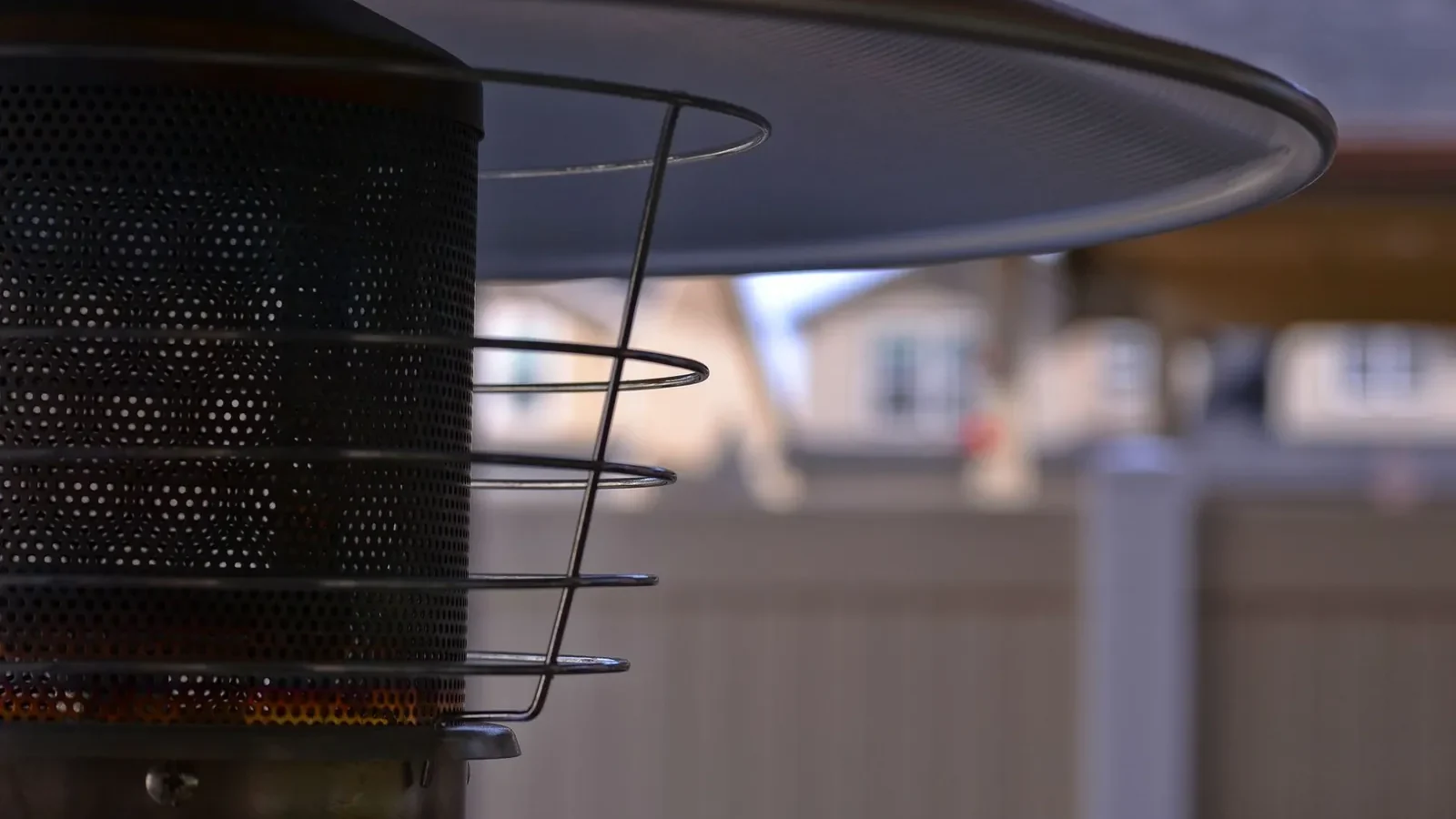
Freestanding pyramid heaters stand 7–9 feet tall on a 24–30 inch base and deliver 40,000 BTU or more. Prices range $300–$800. They work well when you have tight horizontal space but adequate height clearance—a 10×12 covered patio, for example, is borderline; an open deck is fine.
Patio Heater Umbrellas
Infrared elements embedded in umbrella canopies cost $400–$1,200 and output 5,000–10,000 BTU. Heat is directional, so they suit a two-chair conversation corner rather than a table of six. The shade-plus-warmth combination is genuinely useful on a small balcony where a separate heater would crowd the space.
Key Specs to Compare
BTU Rating
A 10,000 BTU heater covers roughly 60–100 square feet in calm conditions; 40,000 BTU reaches 200-plus square feet. For spaces under 150 square feet, 15,000–25,000 BTU usually suffices—going higher wastes fuel and can make a small patio uncomfortably warm on mild evenings.
Fuel Type and Running Costs
Propane heaters cost roughly $0.50–$1.00 per hour to run, depending on BTU and local fuel prices. A standard 20-pound tank costs $15–$30 to refill and lasts 10–40 hours. Electric heaters cost $0.15–$0.30 per hour but require a dedicated outlet and a heavy-gauge outdoor-rated extension cord. Natural gas heaters cost less per hour ($0.08–$0.15) but demand professional installation at $500–$1,500—a payoff that takes three to five seasons of heavy use.
Footprint and Height
Tabletop heaters occupy 16–24 inches square. Tall pyramid heaters need a 24–30 inch diameter base but rise 7–9 feet, so they trade floor crowding for vertical presence. Wall-mounted models use zero floor space but need a sturdy wall or pergola rated for 20–60 pounds.
Wind Resistance
Wind cuts effective heat range by 30–50%. Heavier models (50-plus pounds) resist tipping better; some include stakes or base weights. On an exposed balcony or rooftop patio, a wall-mounted or weighted pyramid heater is a safer choice than a lightweight tabletop.
Top Models for Small Spaces
| Model | Type | BTU | Price | Footprint | Best For |
|---|---|---|---|---|---|
| Solo Stove Mesa XL | Tabletop Propane | 15,000 | $350 | 18″ sq | Compact patios, portability |
| Bromic Tungsten Smart-Heat | Wall-Mounted Electric | 2,000W | $550 | None (wall) | Zero floor space, quiet operation |
| Endless Summer Pyramid | Freestanding Propane | 40,000 | $400 | 28″ dia | Taller spaces, higher heat |
| Hiland Tabletop Propane | Tabletop Propane | 11,000 | $180 | 16″ sq | Budget buyers, very compact |
| Lava Heat Italia Infrared | Wall-Mounted Propane | 25,000 | $650 | Minimal | Enclosed patios, medium heat |
| Lynx Portable Heater Umbrella | Umbrella Heater | 7,500 | $800 | Integrated | Shade + heat combo, intimate seating |
Our verdict
For most small patios under 120 square feet, a tabletop propane heater like the Solo Stove Mesa XL or Hiland offers the best balance of cost, portability, and heat output. If you have wall or pergola space and want zero footprint, the Bromic wall-mounted electric is worth the premium. For taller spaces with a tight floor plan, a pyramid heater delivers more warmth at a similar price—just confirm you have 10 feet of overhead clearance before you buy.
Installation and Safety
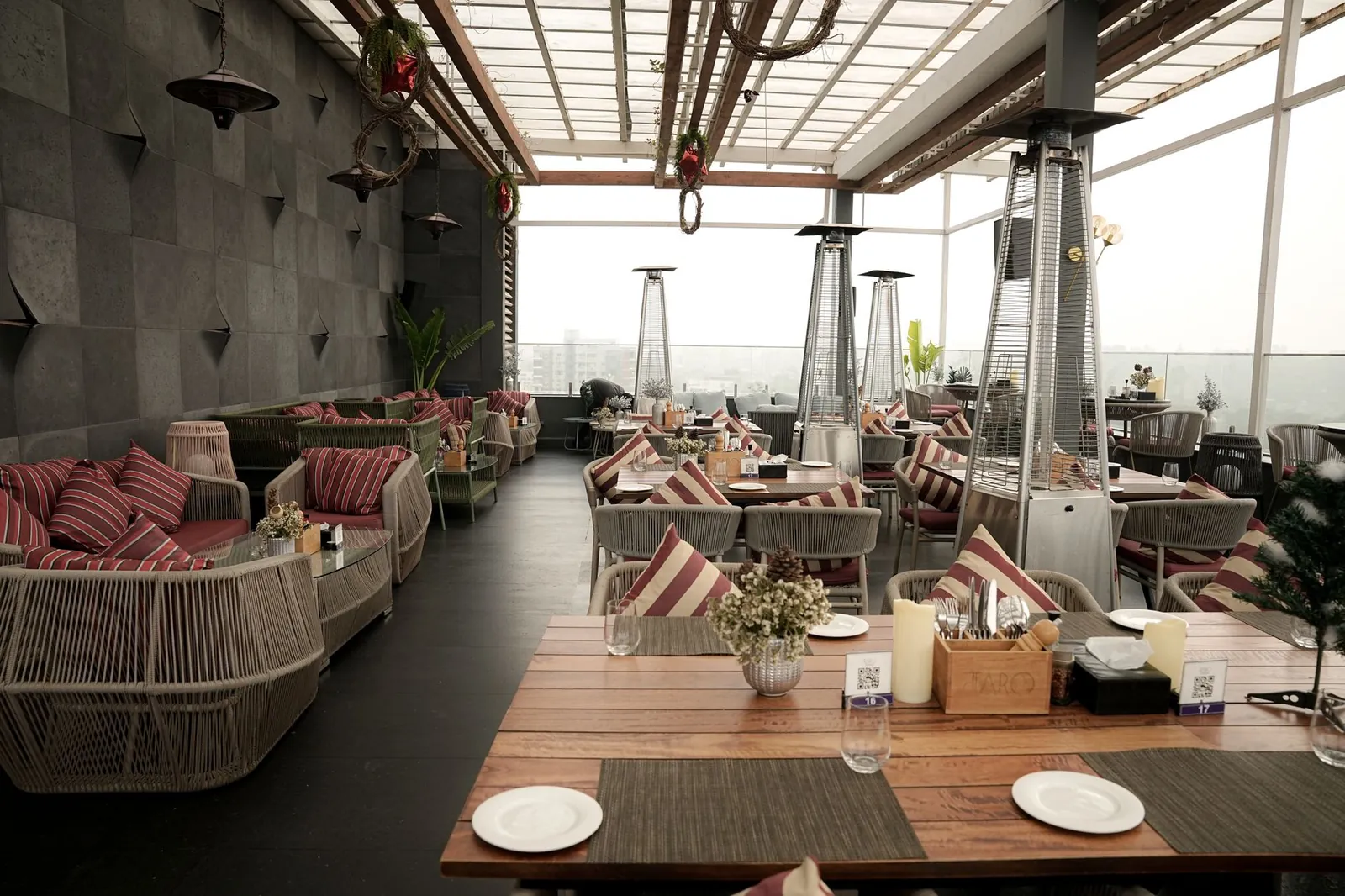
Propane Heaters
Place tabletop or pyramid heaters on level ground, at least 10 feet from structures, trees, and overhead canvas. Keep a 3-foot clearance on all sides for airflow. Check that the propane tank is upright, secured to the heater base, and the regulator is hand-tight. Run the heater for 15 minutes before relying on it to confirm stable ignition—a flickering flame after that window usually means a loose regulator or low tank pressure.
Electric Heaters
Wall-mounted models need a dedicated 15-amp circuit or a heavy-gauge extension cord rated for outdoor use. Mount at least 8 feet above seating to avoid accidental contact. The outlet must have a GFCI breaker; without one, a wet connection in rainy weather is a genuine hazard.
General Tips
Never run a propane or natural gas heater in a fully enclosed space—both produce carbon monoxide. Keep children and pets at arm’s length. In winter, check that snow or ice hasn’t blocked the heater’s intake or shifted its base. Store propane tanks outdoors, not in a garage or shed where heat buildup raises pressure.
A heater that fits your space is useless if you can’t reach it safely or if it tips over in a breeze—stability and clearance matter as much as BTU.
Fuel and Operating Costs
Propane
A 15,000 BTU tabletop heater burns roughly 0.4 pounds of propane per hour. A 20-pound tank costs $15–$30 to refill and lasts about 50 hours at full output. Over a typical season—April through October, three evenings a week at four hours per session—expect to spend $150–$250 on fuel.
Electric
A 1,500-watt heater costs about $0.18 per hour at the US average electricity rate of $0.12 per kilowatt-hour. Over the same season, that’s roughly $130–$180. Electric is cheaper per hour than propane, but it demands a weather-rated outlet and reliable access to household power—factors that rule it out on some balconies.
Natural Gas
If your patio is near an existing gas line, a hardwired heater runs at $0.08–$0.15 per hour and eliminates tank refills. Installation runs $500–$1,500 depending on line distance and local labor rates, so the math only works if you heat heavily for several seasons.
Materials and Durability
Stainless steel or powder-coated steel resists rust better than bare metal—worth checking on any model under $200. Look for sealed burner covers and corrosion-resistant valves. Propane heaters with push-button ignition are more reliable after months of winter storage than those requiring a manual lighter. Glass or ceramic reflectors degrade with heavy use; budget to replace them every two to three years if the heater runs most weekends.
For more on outdoor material longevity, see our guide to best outdoor furniture materials.
Space-Saving Placement Strategies
Corner Placement
Tuck a tabletop heater on a side table in a corner, leaving the patio’s center open. This creates a warm focal point without blocking sightlines or the path to the door.
Vertical Solutions
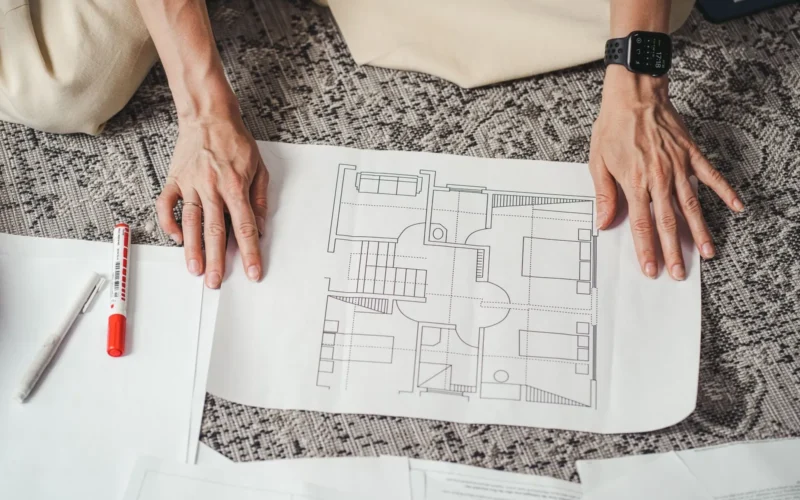
Wall-mounted and pyramid heaters use height instead of width. A pyramid heater in one corner of a 10×12 patio feels less crowded than a wide tabletop model centered on the space—the base footprint is similar, but the vertical profile reads as furniture rather than obstacle.
Pergola Integration
Mount an electric or propane infrared heater to a pergola frame to free up floor space and create a unified overhead structure. Confirm the pergola can support the weight (most heaters run 20–60 pounds) and that there’s at least 8 feet of clearance below the unit.
Seasonal Storage
If you use the heater only four to six months a year, storing it off-season extends its lifespan and reclaims patio space. A tabletop model stores in a closet or shed corner; a pyramid heater is bulkier but still fits upright against a garage wall.
Heaters vs. Fire Pits for Small Patios
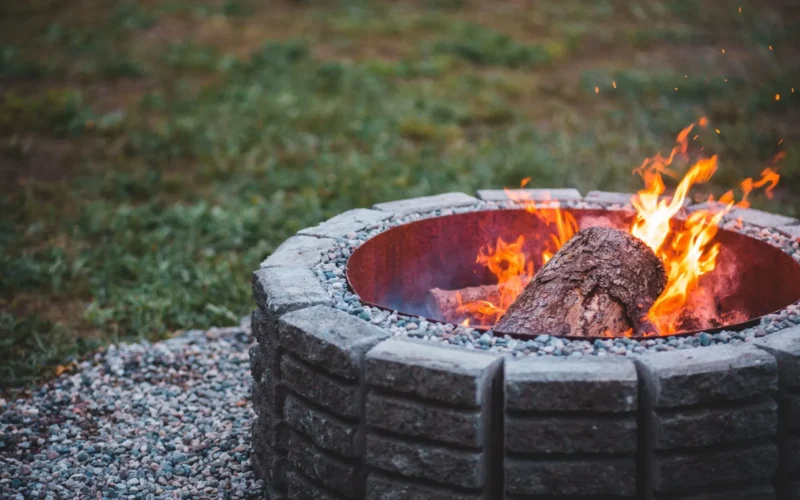
Patio heaters deliver targeted, controllable warmth with no smoke, ash, or cleanup. They reach full heat in minutes. Fire pits create ambiance but produce smoke—a real problem on a small urban balcony or covered patio—and require more clearance than most compact spaces allow. For a balcony or any covered outdoor area, a heater is the practical choice. See our patio heater vs fire pit comparison for a detailed breakdown.
Frequently asked questions
How much space does a small-patio heater actually heat?
A 15,000 BTU heater warms roughly 60–100 square feet in still air, with effective range dropping 30–50% in wind. In a 10×12 patio (120 sq ft), you’ll feel comfortable within 6–8 feet of the heater; the far corners stay cool. Higher BTU models (40,000-plus) cover the full space but cost more and consume fuel faster.
Can I use a propane patio heater on a covered patio or under a pergola?
Yes, provided there’s adequate ventilation. Never use a propane heater in a fully enclosed space; it produces carbon monoxide. Under a pergola or open-sided cover is safe as long as air circulates freely. If the cover has a solid roof, maintain at least 10 feet of clearance above the heater and confirm exhaust can escape on at least two open sides.
What’s the difference between a tabletop and pyramid heater for a small patio?
Tabletop heaters (10,000–15,000 BTU) occupy 16–24 inches square and sit on a table, leaving floor space open. Pyramid heaters (40,000 BTU) stand 7–9 feet tall on a 24–30 inch base, using vertical space instead. Pyramids deliver more heat and feel less cramped horizontally; tabletops are more portable and cheaper ($150–$400 vs. $300–$800).
Do I need a permit to install a patio heater?
Most residential patio heaters don’t require permits, but local codes vary. Check with your city or county building department, especially for a hardwired natural gas heater—those often require a licensed contractor and inspection. Propane tabletop heaters rarely trigger any permit requirement.
How often do I need to replace a patio heater?
With proper maintenance, a propane heater lasts 5–10 years. The burner and ignition system wear first; replacing them costs $100–$300 and can extend the heater’s life by another three to five years. Electric heaters last 7–12 years if kept dry. Check seals and valves every spring, and replace the reflector if it cracks or discolors noticeably.

Rob is a former carpenter who now explains home repairs so you only have to do them once.