This article may contain affiliate links. If you buy through them we may earn a commission at no extra cost to you.
The best raised garden bed soil mix is 40% topsoil, 30% compost, and 30% peat moss or coco coir. For a standard 4×8×12-inch bed, that costs $30–$80 depending on whether you blend it yourself from bulk materials or buy a pre-made bag. Get the ratio right and the bed drains well, holds nutrients, and settles predictably through its first season without constant tinkering.
The Classic 40-30-30 Recipe
I use this formula across all my beds because it balances drainage, water retention, and nutrient availability without requiring constant amendment:
- 40% topsoil: The structural backbone. Topsoil holds minerals and microbial life that vegetables need. Buy screened topsoil, not fill dirt—the difference is worth the extra $5–$10 per cubic yard.
- 30% compost: Adds organic matter, feeds soil life, and improves nutrient availability. Use finished compost (dark, crumbly, earthy-smelling) from a landscape supplier or your own pile.
- 30% peat moss or coco coir: Increases water-holding capacity without compacting. Peat moss costs $8–$15 per bale; coco coir ($12–$20) is more sustainable but holds water slightly less well.
For a 4×8×12-inch bed you’ll need roughly 16 cubic feet of topsoil, 12 cubic feet of compost, and 12 cubic feet of peat or coir—about 1 cubic yard of topsoil, 0.45 cubic yards of compost, and 5–6 standard peat bales.
Why This Ratio Works
Drainage without washout
Too much compost alone goes dense and waterlogged; too much peat creates a soggy sponge. The 40-30-30 split lets water move through while holding enough moisture for roots to access between waterings. Beds mixed this way typically need watering every 2–3 days in summer rather than daily—a meaningful difference when you’re managing multiple beds.
Nutrient availability
Topsoil provides baseline minerals. Compost releases nitrogen and micronutrients gradually over the season. Peat and coir are relatively inert, so they won’t tie up nutrients—they just create the physical structure roots need to explore freely.
Settling and maintenance
New soil settles 15–20% in the first year as organic matter breaks down. This recipe accounts for that; you won’t be staring at a half-empty bed by August. After year one, top-dress with 1–2 inches of compost each spring to refresh what broke down.
Commercial Mixes vs. DIY
| Option | Cost (4×8×12 bed) | Time to fill | Quality control | Best for |
|---|---|---|---|---|
| Pre-made raised bed soil | $60–$100 | 2–4 hours (delivery + spreading) | Consistent, tested blend | One or two beds; no truck access |
| DIY 40-30-30 (bulk materials) | $30–$50 | 4–6 hours (sourcing + mixing) | You choose each component | Three or more beds; tight budget |
| Bagged topsoil + compost + peat | $80–$120 | 3–5 hours (transport + spreading) | Convenient but heavy hauling | Small spaces; no bulk supplier nearby |
| Landscape-supplier custom blend | $40–$70 | 1–2 hours (delivery + spreading) | Tailored to your region | Multiple beds; specific crops |
Our verdict
For one or two beds, a pre-made blend saves time and guesswork. For three or more beds, sourcing bulk topsoil, compost, and peat from a landscape supplier and mixing on-site cuts cost nearly in half and gives you full control over ingredient quality.
Sourcing Each Component
Topsoil
Call local landscape suppliers or mulch yards—they sell bulk topsoil by the cubic yard, typically $15–$25 delivered. Ask whether it’s been screened to remove rocks and tested for contaminants. Fill dirt is subsoil: no organic content, no microbial life, and not worth the savings.
Compost
Finished compost from a landscape supplier runs $25–$40 per cubic yard in bulk. If you’re using your own pile, age it at least 6 months first—fresh compost can heat up and damage seedlings. Bagged compost ($3–$6 per bag) is fine for a single small bed.
Peat moss or coco coir
Standard peat bales hold 3.8 cubic feet and cost $8–$15 at most garden centers. Coco coir bales ($12–$20) are compressed and expand when hydrated, so you need slightly less by volume. Both last 3–4 years in a raised bed before the structure breaks down enough to warrant replacement.
Adjusting the Recipe for Your Crops
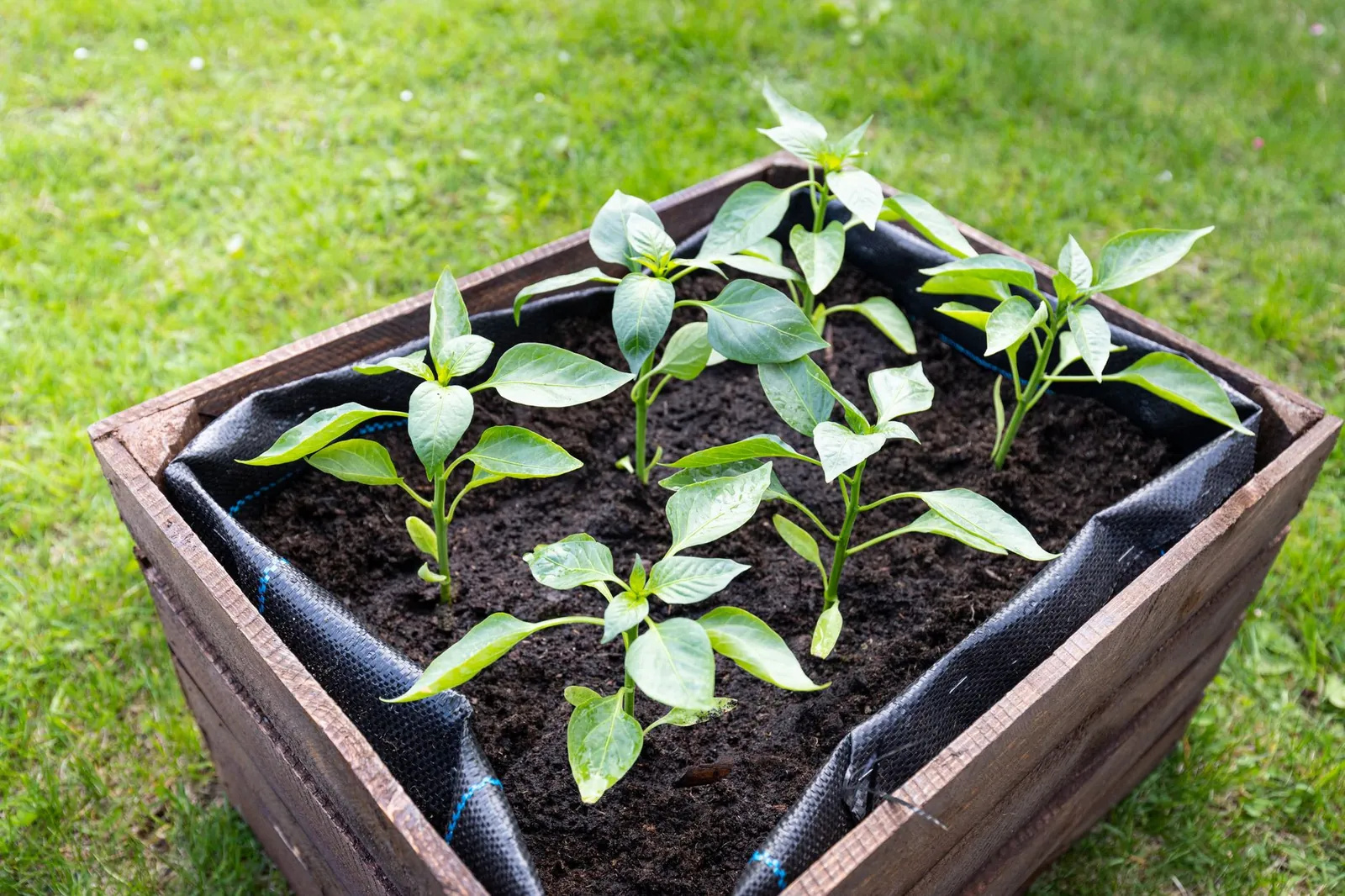
Vegetables (tomatoes, peppers, squash)
Stick with 40-30-30. Heavy feeders benefit from the balanced nutrient and moisture profile. Add a slow-release fertilizer at planting if your compost source is light on nitrogen.
Root crops (carrots, beets, parsnips)
Shift to 50% topsoil and 20% peat. Looser, less moisture-retentive soil prevents forked roots and rot. Root crops don’t need as much organic matter as fruiting vegetables—extra compost can actually push them toward leafy top growth instead of the root you’re after.
Leafy greens and herbs
Increase compost to 40% and reduce topsoil to 30%. Leafy crops prefer consistent moisture and a steady nutrient release, and this adjustment delivers both without needing supplemental fertilizer through the season.
Acid-loving plants (blueberries, azaleas)
Replace peat with sulfur-amended coco coir or pine bark, and drop compost to 20%—most finished compost is pH-neutral and won’t help you hit the 4.5–5.5 range these plants need. Test pH before planting and adjust with elemental sulfur if necessary.
Mixing and Filling Your Bed
With bagged materials, dump everything into the bed and turn it with a garden fork until the color is uniform—about 10 minutes for a standard 4×8 bed. With bulk materials, I spread each layer in thirds and turn the pile in sections with a shovel, or rent a small drum mixer for larger projects.
Water the mix lightly as you fill to help settle air pockets and activate soil microbes. The blend should feel moist but not sodden when you squeeze a handful. If time allows, let it sit for a week before planting—the compost begins breaking down and the whole mix consolidates slightly, which prevents seedlings from sinking unevenly after the first few waterings.
Maintenance and Refresh Schedule
Each spring, top-dress with 1–2 inches of finished compost to replace what decomposed over winter. Every 3–4 years—or sooner if the bed drains slowly or feels compacted underfoot—replace the top 4–6 inches or do a full refresh. Compaction is the main sign the mix has exhausted its structure, not just its nutrients.
A raised bed is only as good as the soil you put in it—good soil structure beats fertilizer every time.
If you’re building your bed for the first time, read our guide to how to build raised garden beds to make sure the frame and soil work together properly.
Frequently asked questions
Can I reuse soil from year to year?
Yes, with annual refreshing. Top-dress with 1–2 inches of fresh compost each spring to replenish organic matter and nutrients. After 4–5 years, replace the bottom 6 inches or do a complete refresh—reused soil compacts progressively and eventually loses the drainage structure you started with.
Is peat moss better than coco coir?
Peat moss is cheaper ($8–$15 per bale) and holds water slightly better. Coco coir ($12–$20) is more sustainable because peat bogs regenerate over thousands of years, not decades. Performance in a raised bed is nearly identical; the choice comes down to budget and how much the sourcing question matters to you.
Do I need to add fertilizer to the soil mix?
Not in year one. Good compost provides enough nitrogen and micronutrients for most crops through their first season. Heavy feeders like tomatoes and squash may benefit from a balanced slow-release fertilizer applied at planting. Watch plant growth before adding more—yellowing lower leaves signal nitrogen need; dark, stunted growth can mean you’ve over-fertilized.
What if I can’t find one of the ingredients?
The 40-30-30 ratio is a starting point, not a rigid formula. Aged manure or leaf mold can substitute for part of the compost; pine bark works in place of peat. The goal is a mix that drains freely, holds moisture between waterings, and contains enough organic matter to feed soil life. Hit those three marks and the exact percentages matter less than the principle behind them.
How much soil do I need for my raised bed?
Multiply length × width × depth in feet, then divide by 27 to get cubic yards. A 4×8×1-foot bed needs 0.3 cubic yards (about 8 cubic feet). Most bulk suppliers sell by the cubic yard, so round up—running short mid-fill means a second trip or a partially planted bed while you wait for delivery.

Ellen has renovated three houses, killed more seedlings than she admits, and writes about both.