Home Improvement
How to Remove Old Caulk Cleanly: Tools & Techniques
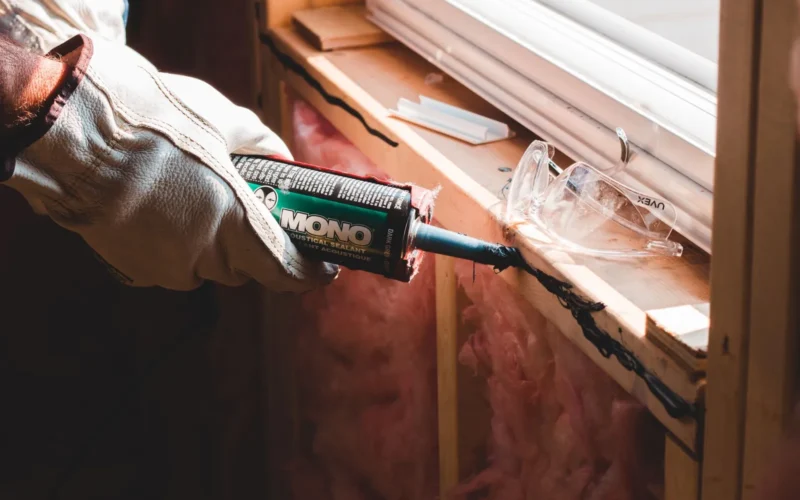
Old caulk comes out cleanly with the right tools and patience—here's exactly how to do it.

Rob is a former carpenter who now explains home repairs so you only have to do them once.
Old caulk comes out cleanly with the right tools and patience—here's exactly how to do it.
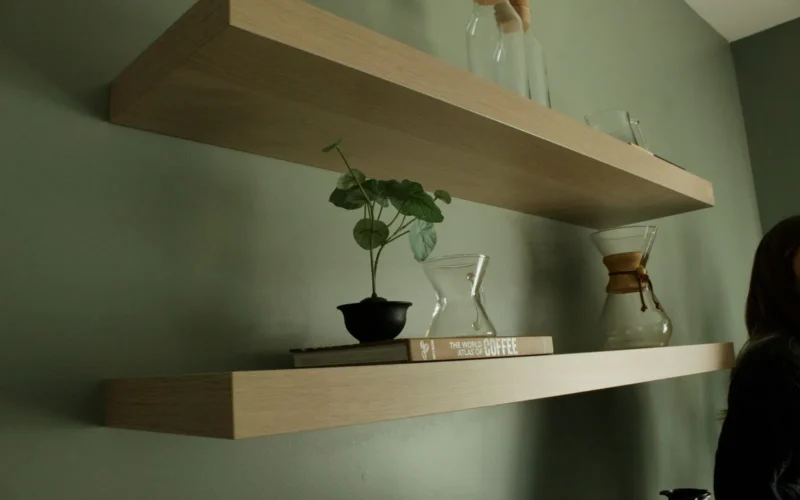
Floating shelves go up in 1–2 hours per shelf and cost $30–$150 in materials. The job comes down to three things: finding studs, choosing brackets rated for your load, and keeping everything level.
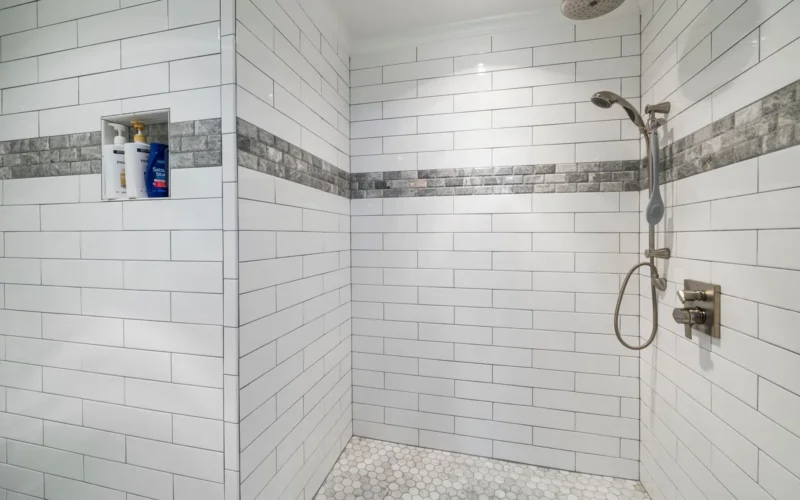
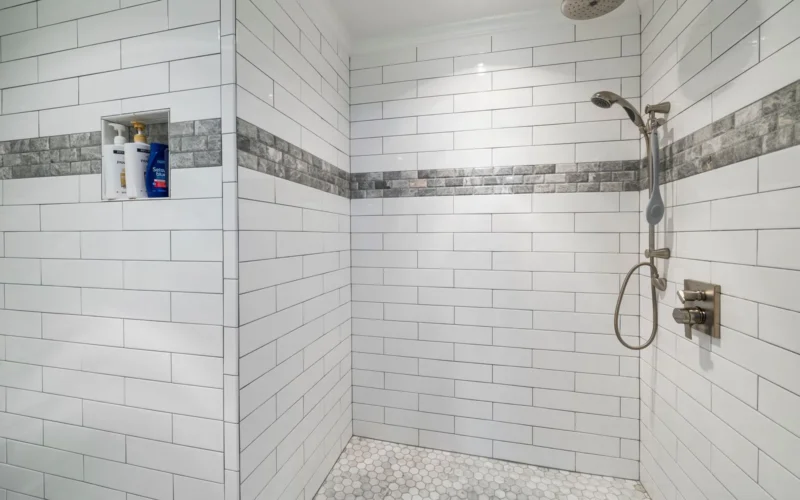
A fresh caulk bead takes under an hour and about $20 in materials. Skip it, and water works behind your tile until you're looking at a drywall repair bill.
Silicone caulk outlasts acrylic in wet areas, but the best choice depends on your budget, surface type, and how often you want to redo the job.
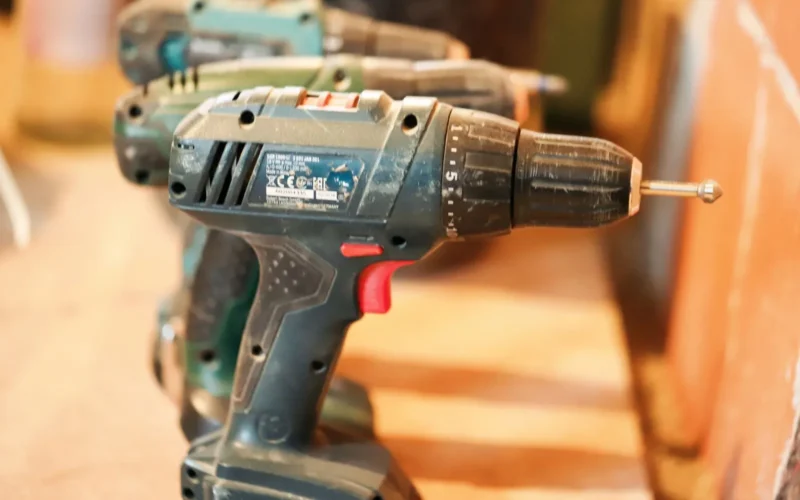
For most home projects, a 20V drill in the $70–$120 range is all you need. Here's how five top models stack up so you can pick the right one without overspending.
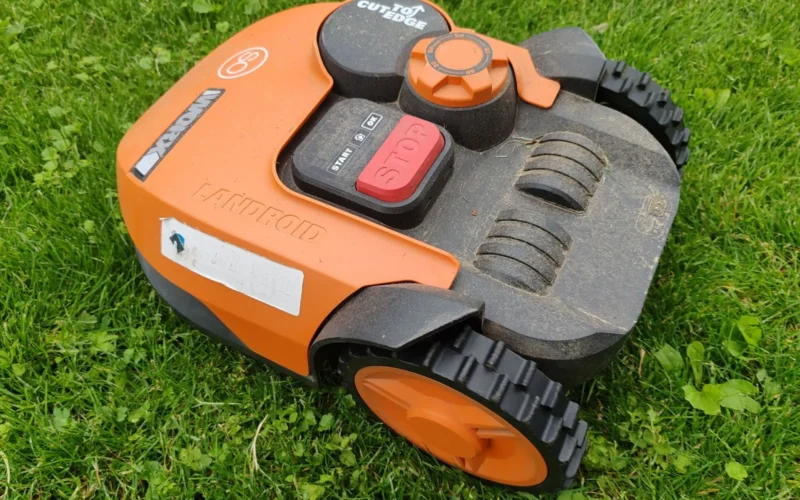
For yards under 0.5 acres, a robot mower in the $450–$800 range handles weekly cutting completely hands-free. Here's what separates a good fit from a frustrating one.
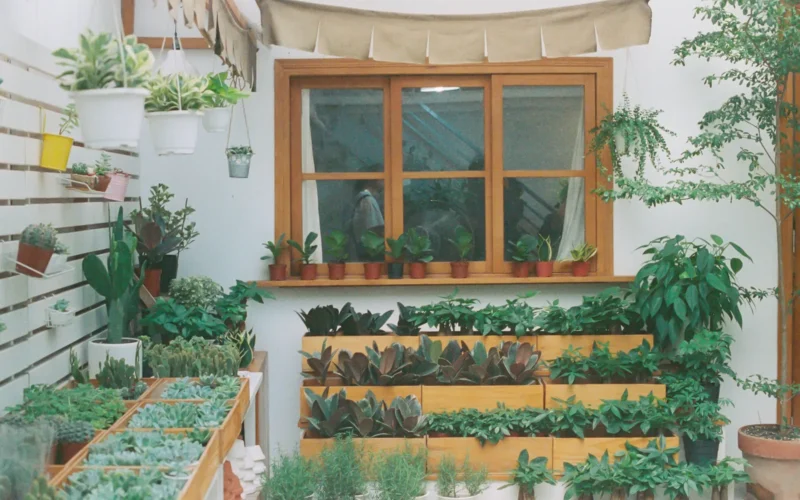
Basil, mint, chives, and parsley are the most reliable herbs for indoor growing—harvestable in 20–70 days, manageable in 4–8 inch pots, and cheap enough to start for under $80.
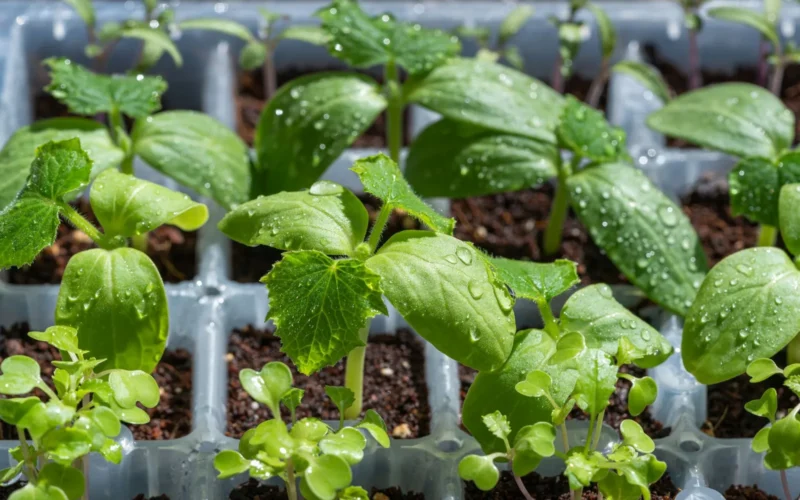
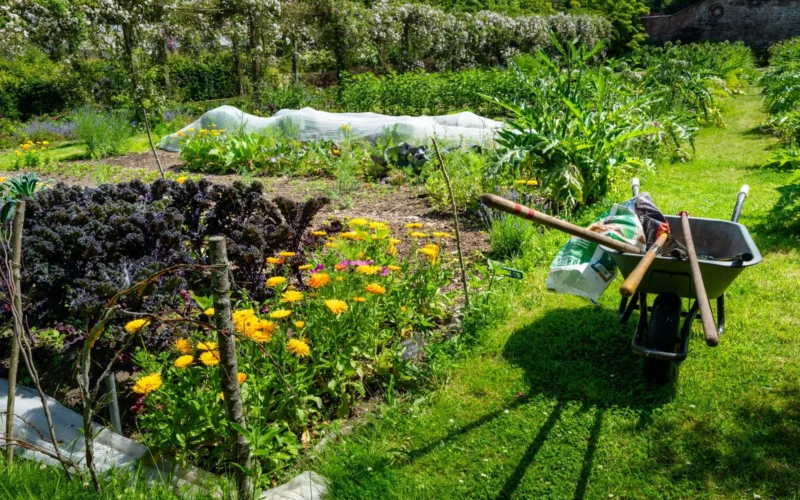
Pick a sunny spot, fix the soil, and choose three to five forgiving crops—most beginners can harvest their first vegetables within 50 to 80 days of planting.
Companion planting pairs vegetables to improve growth, deter pests, and maximize garden space. This chart shows exactly which crops to grow together—and which to keep apart.
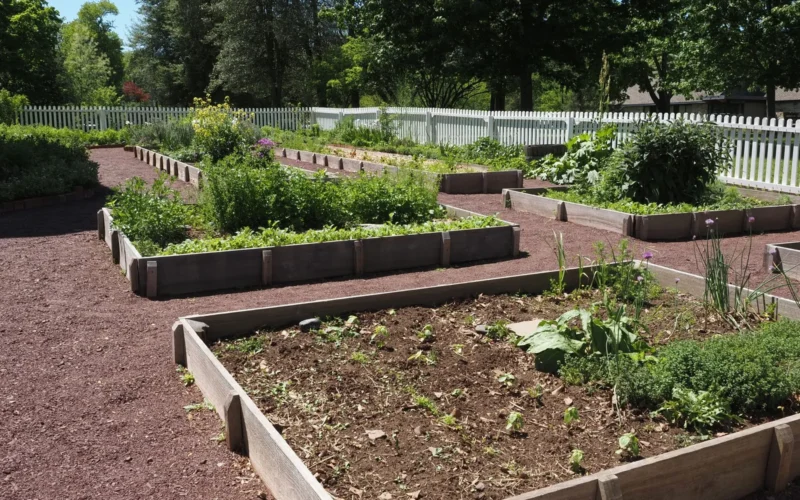
A 4×8 raised bed is the easiest starting point for most beginners—manageable, productive, and forgiving of imperfect soil. Here's how to lay one out, and when containers or in-ground rows make more sense.